





Boosting your profit per product in dropshipping involves smart pricing, finding better suppliers, focusing on high-demand items with good margins, and creating unique value that customers will pay more for, rather than just competing on price.
Understanding Profit Per Product in Dropshipping
Let’s break down what profit per product really means for your dropshipping business. It’s not just the selling price minus the cost price. There are other small costs that nibble away at your earnings.
Things like marketing fees, payment processing charges, and even the cost of returns can add up.
When we talk about dropshipping, the basic idea is simple. You sell a product online. Then, your supplier ships it directly to the customer.
You never actually touch the product yourself. This cuts down on big upfront costs for inventory. But it also means you have less control over some things.
The profit per product is the money you keep after all those costs are paid. If a product sells for $30, and it costs you $10 for the item, $2 for shipping, and $1 for payment fees, your profit is $17. But if you also spent $5 on ads to get that sale, your actual profit for that one item is much lower, maybe $12.
Many new dropshippers focus only on the selling price and the supplier’s cost. They forget about all the little things that add up. This is a big reason why many stores struggle to be truly profitable.
Understanding these details helps you make better choices.
Why Profit Per Product Matters Most
Why is focusing on profit per product so important? Think about it this way: you could sell 100 items and make a small profit on each. Or, you could sell 20 items and make a much bigger profit on each.
Which way feels more sustainable and less stressful?
Selling more items usually means more work. You have more customers to help. You deal with more orders.
You might need more advertising to keep sales coming in. When your profit on each sale is small, you need to sell a huge number of items just to make a decent living.
On the other hand, a higher profit per sale means you can achieve your income goals with fewer sales. This means less stress. It also means you can invest more back into your business.
You can try new marketing ideas or improve your website. You can also take a break!
This focus helps you avoid a common trap. Some people think the goal is just to get as many sales as possible. But if those sales aren’t making you much money, it’s just busywork.
Smart dropshippers focus on making each transaction valuable. This builds a stronger, more lasting business.
Finding Your Niche: The First Step
Before you even pick a product, think about a niche. A niche is a specific group of customers. It could be dog lovers, people who love to cook, or fans of a certain hobby.
Choosing a niche helps you find products that people in that group really want. It also makes your marketing easier because you know who you’re talking to.
The Two Big Pillars: Pricing and Supplier Costs
Two of the biggest levers you have to control profit per product are how you price your items and the cost you pay your supplier. These are closely linked. If one goes up, the other might need to adjust.
Smart Pricing Strategies
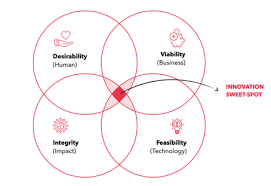
Pricing isn’t just picking a number. It’s a strategy. You want to price your items so they are attractive to customers but still give you a good profit.
This is called the ‘sweet spot’.
Many new sellers use a simple markup. They take the supplier’s cost and add a percentage, like 50% or 100%. While this is a start, it often leaves money on the table.
Or, it might make your price too high compared to others.
Consider the perceived value. How much do customers think the item is worth? If you sell a unique handmade-looking item, people might expect to pay more than if it looks like something mass-produced.
Your product photos, description, and brand story all add to this perceived value.
Another strategy is competitive pricing. Look at what similar items are selling for. You don’t always have to be the cheapest.
Sometimes, being a little higher priced is fine if you offer better service, faster shipping, or a stronger guarantee.
Think about psychological pricing. Prices like $19.99 or $49.95 often feel cheaper than $20 or $50. This little trick can make a difference in sales volume.
It might not directly change your profit per product, but it can increase the number of products you sell.
Also, consider tiered pricing or bundle deals. For example, “Buy 2, get 10% off” or offering a premium version of the product. These can increase the average order value, which indirectly helps your overall profit.
Understanding Your Supplier’s Costs
Your supplier’s price is key. It’s usually the largest part of your cost. Getting the best possible price from your supplier is vital for a good profit per product.
Don’t be afraid to negotiate, especially if you plan to order many items over time.
Finding Better Suppliers
The supplier you choose has a huge impact. A reliable supplier who offers good quality products at a fair price is gold. Sometimes, the cheapest supplier isn’t the best one.
You might end up with more returns or unhappy customers.
Look for suppliers who offer different shipping options. Faster shipping can be a big selling point for customers, and sometimes you can charge a bit more for it. Also, check their return policy.
A good policy helps you handle customer issues smoothly.
When you’re looking for suppliers, try platforms like AliExpress, SaleHoo, or Doba. But also look for smaller, specialized suppliers. They might have unique products and better prices.
Building a good relationship with your supplier is also important. As your business grows, they might be willing to offer you better deals. Communication is key.
Make sure they understand your needs and that you understand theirs.
Experience tells me that sometimes finding that one gem of a supplier can change everything. I remember a time I was stuck with a supplier who was always late. My customers were angry.
I found a new one, and suddenly, my delivery times improved, and so did my reviews. It directly impacted my profit per product because fewer people asked for refunds.
Choosing Products with Higher Profit Potential
Not all products are created equal when it comes to making money. Some just have more potential for a good profit per product than others. This is where research really pays off.
Look for products that solve a problem. People are often willing to pay more for solutions. If your product makes life easier, safer, or more fun, you have a stronger selling point.
Consider products that are not easily found everywhere. If everyone else is selling the same thing, you’ll likely have to compete on price, which lowers your profit. Unique items or those with a special twist can command higher prices.
Think about products with high perceived value. This ties back to pricing. Things like artisanal crafts, personalized items, or products made from premium materials often have a higher perceived value.
This allows for a wider profit margin.
Another good category is consumables or repeat purchase items. If a customer buys a product from you and loves it, they might buy it again, or buy related items. This increases the total profit you make from that customer over time, even if the initial profit per product is moderate.
Also, consider the size and weight of the product. Very large or heavy items can have high shipping costs, which eat into your profit. Smaller, lighter items are often easier and cheaper to ship, leaving more room for profit.
Product Research Tips
- Use tools like Google Trends to see what’s popular.
- Browse popular marketplaces like Amazon and Etsy for ideas.
- Look at what influencers are promoting.
- Check out competitor stores to see what’s selling well.
What stood out to me when I was researching products was the difference between trendy items and evergreen items. Trendy items can make quick money, but they fade fast. Evergreen items, like useful kitchen gadgets or durable pet supplies, have a longer selling life and can provide steady profit per product over time.
Adding Value Beyond the Product Itself
Sometimes, you can increase the profit per product not by changing the product or its price, but by adding extra value. This makes your offer more appealing and justifies your price.
Excellent customer service is a huge value-add. When customers know they can get help quickly and politely if something goes wrong, they are more likely to buy from you. They might even be willing to pay a little more.
Good service builds trust.
Helpful content is another way to add value. This could be blog posts, how-to guides, or videos that show customers how to use your product or get the most out of it. This positions you as an expert and makes your store more than just a place to buy things.
Bundling products can also increase the total profit you make per order. If you sell complementary items, you can offer them together at a slightly discounted price compared to buying them separately. This often leads to a higher average order value and overall profit, even if the individual profit per product in the bundle is lower.
Offering guarantees or warranties can also boost confidence. A satisfaction guarantee or a warranty on the product shows you stand behind what you sell. This reduces the risk for the customer and can make your offer more attractive than a competitor’s without such assurances.
Contrast Matrix: Standard Offering vs. Value-Added Offering
Standard Offering:
- Just the product.
- Basic description.
- No extra help.
- Price is the main selling point.
Value-Added Offering:
- Product plus helpful guides.
- Great customer support.
- Potential for bundles or extras.
- Focus on customer satisfaction.
I’ve seen stores that focus heavily on content marketing. They create detailed guides for their products. Customers feel more confident buying because they know they’ll get support.
This often leads to a higher profit per product because the perceived value is much greater.
Marketing Costs and Their Impact on Profit
Marketing is essential for any dropshipping business. But it directly affects your profit per product. You need to spend money to make money, but how much is too much?
Facebook ads, Google ads, influencer marketing – these all have costs. If you spend $100 on ads and only make $200 in sales, you’ve spent half your revenue on marketing. This leaves little room for product costs, shipping, and your actual profit.
The key is to understand your Customer Acquisition Cost (CAC). This is how much it costs you, on average, to get one new customer. If your CAC is higher than the profit you make from that customer’s first purchase, you’re losing money on that sale.
You need to track your ad spend very carefully. Know which ads are bringing in sales and which ones are just costing you money. Focus your budget on the campaigns that deliver the best return on investment.
Experience shows that sometimes the best marketing isn’t the most expensive. Engaging with potential customers on social media, building an email list, and encouraging reviews can all drive sales without a huge ad budget. These methods often lead to higher-quality customers who are more loyal.
When you’re calculating your profit per product, you must factor in a portion of your marketing costs for each sale. If you sell 100 items and spent $500 on ads, you can estimate that $5 of ad cost belongs to each item sold.
Quick-Scan Table: Marketing Channels and Profit Impact
| Channel | Typical Cost | Profit Impact | Best For |
|---|---|---|---|
| Social Media Ads (Facebook/Instagram) | Varies (can be low to high) | Directly impacts CAC; need careful targeting. | Broad reach, visual products. |
| Google Ads (Search) | Varies (can be high for competitive terms) | Captures high-intent buyers; costs can be high. | Products people actively search for. |
| Influencer Marketing | Product cost + fee (varies wildly) | Can build trust; ROI depends on influencer fit. | Niche products, lifestyle items. |
| Email Marketing | Low (platform cost) | Very high ROI; builds customer loyalty. | Repeat customers, follow-ups. |
The goal is to find marketing channels that bring in customers who spend more than they cost to acquire. This is how you protect and grow your profit per product.
Reducing Other Expenses to Boost Profit
Beyond the product cost and marketing, there are other expenses in dropshipping that can eat into your profit per product. Looking for ways to reduce these can make a noticeable difference.
Payment processing fees are unavoidable. However, understanding the rates from different payment gateways can help. Some offer slightly better rates for businesses with higher sales volumes.
Also, ensure you’re not losing money on currency conversions if you sell internationally.
Return and refund costs are a big one. If customers are returning items often, it hurts your profit. This can happen if products are not as described, are damaged, or customers simply change their minds.
Improving product descriptions, using high-quality photos, and working with reliable suppliers can reduce returns.
Software and tools can add up. Many dropshippers use various apps for order fulfillment, marketing automation, or analytics. While useful, regularly review these subscriptions.
Are you using all the features? Are there cheaper alternatives that do the same job? Cutting unnecessary software costs directly adds to your profit per product.
Website hosting and domain fees are usually minor, but they are still costs. Ensure you have a reliable hosting plan that doesn’t break the bank. Sometimes, annual payments offer discounts.
Time is also a cost. If you’re spending hours on tasks that could be automated or outsourced, that’s an indirect expense. Consider if hiring a virtual assistant for certain tasks could free you up to focus on higher-value activities that increase profit.
Observational Flow: Cost Reduction Steps
Step 1: Audit Expenses
- List all monthly expenses.
- Group them by category (supplier, marketing, software, etc.).
- Identify the largest cost areas.
Step 2: Prioritize High-Impact Cuts
- Can you find a cheaper supplier without sacrificing quality?
- Are your ads performing well, or can they be optimized?
- Are you paying for software you don’t use?
Step 3: Implement Changes
- Negotiate with suppliers.
- Adjust ad campaigns.
- Cancel unused subscriptions.
Step 4: Monitor and Repeat
- Track your profit margins.
- Look for new ways to save.
- This is an ongoing process.
It’s easy to overlook small costs, but they accumulate. By being mindful of every expense, you can ensure more of the money from each sale becomes your profit per product.
The Role of Customer Lifetime Value (CLV)
While the focus is on profit per product, it’s also wise to think about the bigger Customer Lifetime Value (CLV). This is the total profit a customer is expected to bring to your business over their entire relationship with you.
If you sell a product with a moderate profit margin, but that customer comes back and buys many more times, their total value to your business is much higher. This means you can afford to spend a little more to acquire that customer initially, knowing they will be profitable in the long run.
How does this relate to profit per product? If you can identify products that tend to lead to repeat purchases, you might be willing to accept a slightly lower profit on that initial sale. The goal is to get the customer hooked.
Building loyalty programs, offering discounts for repeat customers, and sending targeted email campaigns are all ways to increase CLV. These strategies help turn one-time buyers into loyal fans.
Real-world context shows that brands that excel in building communities around their products often have very high CLVs. Think of niche hobby stores or specialty food shops. Their customers are passionate and buy repeatedly.
So, while a high profit per product on every single sale is great, don’t discount products that might have a slightly lower initial profit but lead to strong customer loyalty and repeat business. The overall profitability of your store is what truly matters.
When to Worry About Profit Per Product
It’s normal for profit margins to fluctuate a bit. However, there are times when you should pay close attention and worry if your profit per product is too low.
Consistently low margins: If you’ve been in business for a while and your profit per item is always hovering near zero, that’s a red flag. It means you’re likely not covering all your costs, including your time.
Selling at a loss: If you realize you’re selling items for less than they cost you to source and ship, you’re losing money on every sale. This is unsustainable and requires immediate attention.
When marketing costs are too high: If the majority of your revenue is going towards ads and you have very little left over for profit, your marketing strategy might be flawed or your product pricing is too low.
Competitors driving prices down: If other sellers are constantly undercutting your prices, and you feel forced to match them, your profit margin will shrink. You need to find a way to differentiate your offer.
High return rates: If a product has a high return rate, the cost of processing those returns (shipping, customer service, restocking) can negate any profit you made on the initial sale. This signals a problem with the product quality or description.
What this means for you: If you notice any of these issues, it’s time to do a deep dive into your numbers. Review your pricing, your supplier costs, your marketing spend, and your product selection. Don’t be afraid to make changes.
Quick Fixes & Tips for Higher Profit Per Product
Here are some actionable steps you can take right now:
- Review your pricing. Are you confident in your current prices? Could you test slightly higher prices?
- Negotiate with suppliers. Ask for better rates, especially if you’re ordering more frequently.
- Source better products. Look for items with higher perceived value or less competition.
- Bundle items. Offer complementary products together for a higher average order value.
- Improve product descriptions and photos. This reduces confusion and returns, boosting profit.
- Optimize your ad campaigns. Focus on what works and cut spending on underperforming ads.
- Build an email list. This is a low-cost way to drive repeat sales.
- Focus on customer service. Happy customers are repeat customers and less likely to demand refunds.
- Automate where possible. Save time and focus on profit-driving activities.
Frequently Asked Questions
What is a good profit margin for dropshipping?
A good profit margin for dropshipping can vary widely, but many aim for 15-30% after all expenses. Some niches can achieve higher margins, especially if they offer unique or specialized products.
How can I find products with high profit potential?
Look for products that solve problems, have high perceived value, are not easily found elsewhere, and have reasonable shipping costs. Researching trends and competitor offerings is also key.
Is it better to have many low-profit products or a few high-profit products?
While selling many low-profit items can generate volume, a few high-profit products often lead to a more stable and less stressful business. Focusing on quality over sheer quantity of offerings is usually more sustainable.
How do marketing costs affect my profit per product?
Marketing costs are a direct expense. If you spend $5 on ads to sell a product that only gives you $10 profit, your actual profit is only $5. You must ensure your marketing spend is less than your profit margin.
Should I always be the cheapest seller?
No, not at all. Competing solely on price can lead to very low profit margins. Focus on adding value through excellent service, product quality, branding, and customer experience to justify your pricing.
How often should I review my profit per product?
It’s a good idea to review your profit per product at least monthly. This allows you to catch any issues with pricing, supplier costs, or marketing spend before they significantly impact your business.
Conclusion
Boosting your profit per product in dropshipping is a journey of smart choices. It’s about more than just selling. It’s about understanding your costs, pricing wisely, picking the right items, and adding value.
By focusing on these areas, you build a stronger, more profitable online store. Keep learning and keep refining your strategy.