Category: Winning Products Daily

  • Signs A Product Is Winning

    A product is winning when it solves a real need well, delights users consistently, and builds a loyal following. It often shows strong sales, positive reviews, and a lasting presence in its category. It’s the product that people trust and keep coming back to.

    Understanding What Makes a Product Shine

    Think about the products you use every single day. Maybe it’s your trusty coffee maker, the app on your phone you can’t live without, or a particular brand of socks you always buy. These aren’t just items; they’re part of our routine because they work. They make our lives a little easier or more enjoyable. That’s the core of a winning product.

    A winning product doesn’t just appear out of nowhere. It usually starts with a deep understanding of a problem or a desire. Then, it offers a solution that’s better, simpler, or more effective than what was available before. This isn’t always about fancy technology. Sometimes, it’s just about doing something common, but doing it exceptionally well.

    We’ll explore the signs that show a product is hitting its mark. We’ll look at what customers do and say, and what this means for the product’s future. Understanding these signs can help us make smarter choices as consumers and maybe even inspire our own ideas.

    The Unmistakable Hum of Customer Love

    One of the most powerful signs a product is winning is the sheer enthusiasm of its users. This isn’t just about people buying it. It’s about them talking about it. They tell their friends, share it on social media, and write glowing reviews. This organic buzz is gold.

    When you see people actively recommending a product, it means it has gone beyond just meeting expectations. It has created a positive emotional connection. This connection is what turns a casual buyer into a loyal advocate. And these advocates are the best marketing a product could ask for.

    Signs of Deep Customer Affection

    • Word-of-Mouth Buzz: People naturally and frequently suggest the product to others.
    • Positive Online Reviews: Consistent high ratings and detailed, happy testimonials.
    • Social Media Mentions: Users share their experiences, photos, or use the product’s hashtags.
    • User-Generated Content: Seeing people create their own content related to the product.

    I remember when a certain brand of earbuds first became popular. It felt like everyone I knew was suddenly talking about them. They weren’t just saying “they’re good.” They were explaining why they were good. How they fit perfectly, how the battery lasted forever, and how the sound was amazing. This level of detail showed genuine delight.

    This passion translates into what we call product stickiness. It means the product becomes so integrated into a person’s life that they struggle to imagine life without it. This stickiness is a powerful indicator that a product isn’t just selling; it’s winning hearts and minds.

    The Silent Power of Repeat Business

    Sales figures are important, of course. But the real mark of a winning product is not just one-time purchases. It’s customers coming back for more. This repeat business shows trust and satisfaction. It means the product delivers on its promise over time.

    Think about your own buying habits. If you find a brand of coffee that you love, you’ll likely buy it again and again. You don’t want to risk trying something new and being disappointed. This loyalty is what winning products cultivate. They become a reliable choice.

    Repeat Purchase Indicators

    High Customer Retention: A large percentage of customers buy the product more than once.

    Subscription Growth: For services or consumables, a growing number of recurring subscriptions.

    Upselling/Cross-selling Success: Customers are willing to buy premium versions or related products.

    I worked with a small online shop that sold handmade soaps. They had one specific scent that was a runaway hit. People would buy a bar, then come back a few weeks later for two or three more. They’d often buy them as gifts, too. This showed the soap wasn’t just a purchase; it was a reliable, delightful experience they wanted to share and repeat.

    This consistent demand signals that the product’s value isn’t fleeting. It holds up over time. Users find ongoing benefit, which is a strong sign that the product has truly earned its place in the market. This is where customer lifetime value starts to climb significantly.

    Solving Problems, Not Just Selling Stuff

    At its heart, a winning product is one that effectively solves a problem or meets a genuine need. It’s not just about having features; it’s about the benefits those features provide. Does it save time? Does it reduce stress? Does it bring joy?

    The most successful products often do this in a way that feels almost effortless. They simplify complex tasks. They make something difficult feel easy. This focus on genuine utility is a cornerstone of lasting success. People will always seek out things that make their lives better or simpler.

    Problem-Solving Indicators

    • Clear Value Proposition: The benefit to the user is immediately obvious.
    • Reduced Friction: The product removes common pain points or steps.
    • Efficiency Gains: Users save time or resources by using the product.
    • Emotional Relief: The product alleviates anxiety or frustration.

    I remember trying a new type of kitchen gadget that promised to chop onions without making my eyes water. For years, I’d endured the stinging and tears. This little gadget, though simple, was a revelation. It solved a small but annoying problem perfectly. It wasn’t a high-tech marvel, but it was a winner because it just worked and made a task less dreadful.

    This ability to address a real user pain point is a powerful differentiator. When a product does this, it becomes indispensable. It’s not just a luxury; it’s a necessity. The market rewards products that provide true solutions. This is a key factor in achieving market validation.

    The Evolution and Adaptation Factor

    Winning products aren’t static. The world changes, user needs evolve, and competitors emerge. A truly winning product shows an ability to adapt and improve. It doesn’t rest on its laurels. It listens to feedback and gets better over time.

    This ongoing development keeps the product relevant. It shows that the company behind it is committed. This commitment builds trust. Users feel good about investing in something that is constantly being refined to serve them better. This is a sign of a product built for the long haul.

    Signs of Adaptability

    • Regular Updates: Frequent new versions, features, or improvements are released.
    • Feedback Incorporation: User suggestions and criticisms are visibly addressed.
    • Staying Current: The product keeps pace with industry trends and technology.
    • Future Roadmap: Clear plans for how the product will evolve are shared.

    Take, for example, the evolution of smartphones. The first models were amazing for their time. But the companies behind them didn’t stop there. They added better cameras, faster processors, and new software features year after year. This constant innovation is why smartphones remain winning products in our lives. They adapt to our changing needs and expectations.

    This dynamic nature ensures the product remains competitive. It also shows a dedication to customer value. This ability to evolve is a strong sign of a product that is not just succeeding now, but is positioned for future sustained growth.

    Market Presence and Perceived Value

    A winning product often has a strong, recognizable presence in its market. It’s not just found in a few niche stores; it’s accessible and visible. This visibility contributes to its perceived value. When you see a product everywhere, you tend to assume it’s popular and good.

    This doesn’t mean it has to be the cheapest option. Winning products often command a premium price because users believe they are worth it. This perceived value is built through a combination of quality, branding, and consistent delivery. It’s the feeling that you’re getting something truly worthwhile for your money.

    Market Dominance Signs

    • Wide Distribution: Available in many places where target customers shop.
    • Brand Recognition: The product name and logo are easily recognized.
    • Premium Positioning: Often perceived as high-quality, justifying its price.
    • Market Share: Holds a significant portion of its category’s sales.

    I saw this clearly with a certain brand of athletic shoes. Even if you weren’t a runner, you knew the name. They were worn by athletes, featured in ads, and visible in stores everywhere. This constant presence built an aura of performance and quality. People paid more for them because they associated them with being the best.

    This strong market standing and perceived value are indicators of a product that has resonated deeply. It has become a benchmark in its field. This is a sign of true product-market fit at scale.

    Operational Excellence: The Backbone of Success

    Beyond what the customer sees, there’s often incredible operational excellence behind a winning product. This means everything from manufacturing and supply chain to customer support runs smoothly. When these systems are robust, they ensure consistent quality and availability.

    Poor operations can sink even the best product idea. Conversely, smooth operations allow a great product to shine. This includes reliable delivery, responsive customer service, and a seamless purchasing experience. These factors build trust and reduce potential frustration for the user.

    Operational Strength Signs

    • Reliable Availability: The product is usually in stock and easy to get.
    • Efficient Support: Customer issues are handled quickly and effectively.
    • Consistent Quality: Each unit of the product meets high standards.
    • Smooth Fulfillment: Orders are processed and delivered without hassle.

    I once ordered a specialized component for a home repair. The company had a reputation for quality, and when the part arrived, it was perfect. The packaging was secure, it was exactly what I ordered, and it arrived on time. Even though it was just a small part, the seamless experience made me feel confident in the brand. This attention to the backend is crucial.

    This behind-the-scenes strength ensures the customer’s positive experience isn’t a fluke. It’s by design. It signals a mature company that understands the full lifecycle of its product and its relationship with customers. This commitment to operational excellence is a hidden but vital sign of a winning product.

    The Power of Community and Ecosystem

    Some of the most successful products foster a sense of community around them. This can be through online forums, user groups, or even just a shared understanding among users. This community makes the product more valuable than its standalone features.

    An ecosystem is when a product connects with other products or services, creating a larger, more integrated experience. Think about how a smartphone works with apps, or how a gaming console connects to online multiplayer services. This interconnectedness can lock users in and make the product indispensable.

    Community & Ecosystem Signs

    • Active User Groups: Online or offline spaces where users connect.
    • Developer Support: For tech products, robust support for third-party creators.
    • Integration Potential: The product works well with other popular tools or services.
    • Shared Identity: Users feel part of a group that uses and values the product.

    I saw this with a particular brand of smart home devices. People would share tips on how to automate their homes with these devices. They’d help each other set up routines and troubleshoot problems. It wasn’t just about buying a smart plug; it was about joining a movement of people building smarter homes. This community aspect made the product much more appealing.

    This network effect, where the product becomes more valuable as more people use it, is a powerful engine for growth. It creates a defensible market position that’s hard for competitors to break into. It’s a clear sign that a product has truly “won” by building more than just a customer base – it has built a world.

    Financial Health and Investment Interest

    While not always visible to the end-user, the financial success of a product is a strong indicator of its winning status. Consistent profitability and strong sales growth suggest that the market values what the product offers. Investors often look at these metrics too.

    When a product is performing well financially, it means the company can reinvest in its development, marketing, and customer support. This creates a virtuous cycle that further solidifies the product’s position. It’s a sign that the product has found a sustainable and profitable niche.

    Financial Success Markers

    • Consistent Revenue Growth: Sales are steadily increasing over time.
    • Profitability: The product generates more revenue than it costs to produce and market.
    • Investment Attraction: Venture capital or public market interest indicates strong perceived value.
    • Market Share Gains: The product is capturing a larger slice of its market.

    Consider a tech company that consistently beats its earnings expectations. This often means its core products are doing exceptionally well. The demand is high, and the company is managing its costs effectively. This financial strength is a powerful, albeit indirect, sign that a product is a winner.

    This economic validation is crucial for long-term viability. A product that can sustain itself financially has the resources to continue serving its customers and adapting to the market. It’s a sign of a well-run, successful venture.

    What This Means for You

    So, what do all these signs mean for us as consumers or observers? It means we can look beyond the surface-level marketing. We can identify products that are truly delivering value and are likely to be around for a while.

    When you’re shopping, look for these indicators. Are people talking about it positively? Do they seem to be buying it again? Does it seem to solve a real problem you might have? These questions can guide you to better purchases and help you avoid products that are just trendy.

    Quick Tips for Spotting a Winning Product

    Here’s a simple checklist you can use:

    • Listen to the Buzz: Are genuine users excited and recommending it?
    • Check for Repeat Buyers: Look for reviews mentioning multiple purchases or subscriptions.
    • Identify the Problem Solved: Does it make a specific task easier or better?
    • Observe Longevity: Has it been around and improving for a while?
    • Perceived Value: Does it feel like it’s worth the price tag?

    Frequently Asked Questions

    What is the single biggest sign a product is winning?

    The single biggest sign is passionate, vocal customer advocacy. When users go out of their way to recommend, defend, and share a product with others, that’s incredibly powerful. It shows the product has deeply resonated and provided exceptional value beyond simple utility.

    Can a product be popular but not a “winner”?

    Yes, absolutely. A product can be popular due to heavy marketing, fads, or low prices, but not be a true winner. A winning product has sustained demand, high customer satisfaction, and solves a real problem effectively over time. Popularity can be fleeting; winning is about lasting value.

    How do I tell if a product is just well-marketed?

    Look beyond the ads. Search for independent reviews, user forums, and social media discussions. If the positive sentiment is mostly from paid promotions or influencers who seem less informed, it might be just good marketing. Real users often discuss practical benefits and long-term experiences.

    Does price indicate if a product is winning?

    Not directly. A product can be winning at a low price point (like a great value item) or a high price point (like a luxury or specialized tool). What matters is the perceived value for the price. If customers feel they are getting excellent quality or benefit for what they pay, that’s a sign of success, regardless of the absolute price.

    What if a product has some negative reviews?

    Most products will have a few negative reviews. What matters is the overall sentiment and how the company responds. If the vast majority of reviews are positive and negative ones are isolated or addressed constructively by the company, it’s likely still a winning product. It’s the pattern that counts.

    How important is a product’s adaptability?

    Adaptability is crucial for long-term winning. Markets and user needs change rapidly. A product that can evolve, incorporate feedback, and stay relevant will continue to win. Products that remain stagnant often fade away as newer, better options emerge.

    In Conclusion: Beyond the Hype

    Identifying a winning product goes beyond just looking at sales numbers or slick advertising. It involves understanding the genuine value it brings to its users. By looking for customer love, repeat business, problem-solving capabilities, and adaptability, we can better spot the products that truly stand out and earn their place in the market.

  • Product Validation Framework

    A product validation framework is a structured process to test and confirm if a product idea meets market needs and customer desires before investing heavily in its development. It uses various methods to gather feedback and data, reducing risk and increasing the chance of success.

    What Is a Product Validation Framework?

    Think of a product validation framework as your roadmap. It guides you through testing your product idea. You want to know if people actually want or need what you are making.

    This framework helps you find that out. It’s a step-by-step plan.

    This plan uses different tools. You can talk to people. You can watch how they use things.

    You can even show them a simple version of your product. All these actions help you learn. They help you see if your idea is good.

    Why is this so important? Many new products fail. They fail because no one wanted them.

    Or maybe they were too hard to use. Or they cost too much. A good framework helps you avoid these problems.

    It saves you time and money. It helps you build something people will love.

    Why Does Product Validation Matter So Much?

    Imagine building a house. You wouldn’t just start hammering nails. You’d ask people what kind of house they want.

    You’d check the land. You’d plan the rooms. Product validation is like that planning for your product.

    It’s about making sure you’re building the right thing.

    Businesses lose a lot of money on products that don’t sell. This can happen if they skip testing. They might think they know what people want.

    But sometimes, they are wrong. Customers are tricky. Their needs can change.

    What seems obvious to you might not be to others.

    Validation helps you find early problems. You can fix them before they become big issues. It also helps you understand your customers better.

    You learn their pain points. You learn what they value. This knowledge is golden.

    It helps you make your product even better.

    It’s about reducing risk. Every new product has risks. But validation helps you manage those risks.

    It gives you data. Data helps you make smart decisions. You can then focus your efforts on what works.

    You don’t waste resources on ideas that won’t fly.

    Ultimately, it leads to a better product. A product that people truly want. A product that solves a real problem.

    This makes your business stronger. It builds trust with your customers. They see you listen.

    They see you care about their needs.

    The Core Steps of Product Validation

    There are common steps in most validation frameworks. You don’t have to do them all. But they give you a good start.

    Let’s break them down simply.

    1. Define Your Assumptions

    Every product idea starts with beliefs. You believe people have a problem. You believe your product can fix it.

    You believe they will pay for it. Write these beliefs down. These are your assumptions.

    You need to test them.

    For example, you might assume: “Busy parents need a quick way to pack school lunches.” Or “Small businesses struggle to manage social media.” These are starting points. You need to check if they are true.

    2. Identify Your Target Audience

    Who is this product for? Be specific. Not everyone will buy your product.

    You need to know your ideal customer. What are their jobs? What are their ages?

    What are their interests? What are their problems?

    The more you know about them, the better you can talk to them. You can find them in online groups. You can look at surveys.

    Knowing your audience helps you ask the right questions. It helps you design tests that make sense for them.

    3. Research the Market

    What else is out there? Are there other products like yours? How do they work?

    What do people say about them? This is competitive research. It shows you what works and what doesn’t.

    It also helps you find gaps. Maybe no one is solving the problem exactly the way you want to. Or maybe existing solutions are flawed.

    Market research helps you understand the landscape. It helps you position your product.

    4. Develop a Minimum Viable Product (MVP) or Prototype

    An MVP is the simplest version of your product. It has just enough features. It proves your main idea.

    A prototype is even simpler. It might just be drawings or a clickable model. It shows how it looks and works.

    The goal is not to build the full product yet. It’s to build something quick and cheap. You need something to show people.

    Something they can interact with. This is where you start getting real feedback.

    5. Test and Gather Feedback

    Now you show your MVP or prototype to your target audience. You watch them use it. You ask them questions.

    You listen carefully to their answers. You also look at their actions. What do they click on?

    Where do they get stuck?

    This is the heart of validation. You are collecting data. This data tells you if your assumptions are correct.

    It tells you what needs to change. You might do interviews. You might run online surveys.

    You might do usability tests.

    6. Analyze Results and Iterate

    Look at all the feedback you got. What does it mean? Did people like it?

    Did they understand it? Did they find it useful? Were there common complaints?

    Based on this, you make changes. You might tweak your product idea. You might change your target audience.

    You might even decide to stop. This is called iterating. You learn, you change, you test again.

    This cycle continues until your product is validated.

    Quick Scan: Validation Levels

    Idea Validation: Is the core problem real? Do people care?

    Solution Validation: Does your proposed solution work for the problem?

    Product Validation: Is the actual product good? Easy to use? Desirable?

    Market Validation: Can you reach customers? Will they pay enough?

    Types of Product Validation Techniques

    There are many ways to validate your ideas. You can pick the ones that fit best. Here are some common methods.

    Customer Interviews

    This is talking directly to potential customers. You ask open-ended questions. You want to understand their lives.

    You want to know their challenges. You are not selling them anything yet. You are learning.

    For example, if you’re building a new app, you’d ask people about their current phone habits. What apps do they use? What frustrates them?

    This gives you deep insights. It helps uncover needs you might not have thought of.

    Surveys and Questionnaires

    These are great for reaching many people. You can ask specific questions. You can use multiple-choice answers.

    Online tools make this easy. You can use Google Forms or SurveyMonkey.

    Be careful with survey questions. Ask clear questions. Avoid leading questions that suggest an answer.

    For instance, instead of “Do you love our new feature?”, ask “How useful is this feature?”.

    Landing Pages and Pre-orders

    You can create a simple webpage for your product. It explains what it does. It shows its benefits.

    You can then ask people to sign up for updates. Or even better, ask them to pre-order it.

    If people pay money before the product exists, that’s strong validation. It shows real intent to buy. It’s a powerful signal that your idea has value.

    Prototypes and Wireframes

    A prototype is a working model. It might not have all the features. But it shows how the product will work.

    A wireframe is like a blueprint. It shows the layout and structure. These visual tools help people imagine the product.

    You can test these with users. Watch them click around. See if they can complete tasks.

    This feedback is crucial for design. It helps you build something intuitive.

    A/B Testing

    This involves showing two versions of something to different groups. You might test two different headlines on a webpage. Or two different product descriptions.

    You see which one performs better.

    This helps you make data-driven decisions. It tells you what resonates most with your audience. It’s often used for marketing messages but can also test product features.

    Focus Groups

    You gather a small group of people. They discuss your product idea or prototype. A moderator guides the conversation.

    This gives you in-depth qualitative feedback. You hear different opinions and perspectives.

    Focus groups can be revealing. People might build on each other’s ideas. Or they might point out things you missed.

    It’s a good way to brainstorm and get varied reactions.

    Concierge and Wizard of Oz MVPs

    These are special types of MVPs. A concierge MVP means you manually deliver the service. For example, if you’re building a meal planning app, you might personally create meal plans for early users.

    A Wizard of Oz MVP looks automated to the user. But behind the scenes, a human is doing the work. These methods let you test the core value proposition without full automation.

    They are great for services.

    Contrast: Qualitative vs. Quantitative

    Qualitative: ‘Why’ questions. User feelings. In-depth.

    (Interviews, Focus Groups)

    Quantitative: ‘How many’ questions. Numbers. Data.

    (Surveys, A/B Tests)

    You need both for a full picture.

    Real-World Product Validation Framework Examples

    Let’s look at how companies actually use these ideas. Seeing examples makes it clearer.

    Example 1: A New Mobile App for Task Management

    Let’s say a startup wants to build an app. It helps people manage daily tasks. They have an idea about a unique feature: AI-powered task sorting.

    Assumptions: People find current task managers too complex. AI sorting will save time. Users will trust AI with their tasks.

    Target Audience: Young professionals, freelancers, and students aged 18-35.

    Validation Steps:

    • Customer Interviews: They interview 20 people in their target audience. They ask about their current task management tools. They listen for frustrations. They learn that many people feel overwhelmed by too many options.
    • Prototype Testing: They create a clickable prototype. It shows the AI sorting feature. They have 10 target users test it. They watch how users interact with the sorting. They ask if it makes sense.
    • Landing Page: They build a landing page describing the app. They highlight the AI sorting. They offer early access sign-ups. They track how many people sign up.
    • Analysis: The interviews show a real need for simplicity. The prototype testing reveals the AI sorting is confusing for some. The landing page gets a good number of sign-ups, but not a huge surge.
    • Iteration: They simplify the AI interface. They add more clear explanations. They decide to focus more on the simplicity aspect in marketing. They plan to test an MVP with basic AI features next.

    Example 2: A Subscription Box for Eco-Friendly Products

    A new entrepreneur wants to start a subscription box. It sends out sustainable home goods each month.

    Assumptions: People want to buy eco-friendly products. They are willing to pay a monthly fee. They prefer convenience.

    Target Audience: Environmentally conscious consumers, homeowners, ages 25-55, likely with higher disposable income.

    Validation Steps:

    • Surveys: They create an online survey. They ask about purchasing habits for eco-friendly goods. They ask about interest in subscription boxes. They use social media to share the survey.
    • Market Research: They look at existing eco-subscription boxes. They analyze their pricing, products, and reviews. They see a gap in unique, handcrafted items.
    • Concierge MVP: They find 10 people interested through social media. They manually curate and send them a “test box.” They ask for detailed feedback on product selection, pricing, and value.
    • Analysis: The survey shows strong interest but also price sensitivity. Market research confirms a niche for handcrafted items. The concierge MVP feedback is very positive about the product quality but suggests lower price points or smaller box options.
    • Iteration: They decide to offer two box sizes. One standard and one mini. They also focus on sourcing more affordable, yet still sustainable, items. They adjust their marketing to emphasize craftsmanship.

    Observational Flow: Validating a New Coffee Shop

    Phase 1: Idea & Market

    Talk to locals. What coffee do they like? Where do they go now?

    What’s missing?

    Phase 2: Concept

    Show mockups of the shop. Get opinions on decor and menu ideas.

    Phase 3: Offerings

    Maybe a pop-up stall for a day. Sell coffee. See demand.

    Get feedback on taste and price.

    Phase 4: Operations

    Test a soft opening. Watch workflow. See wait times.

    Get initial customer reactions.

    Building Trust and Authority in Your Validation

    As you validate, you are also building trust. Not just for your product, but for yourself or your company. People want to buy from those they trust.

    Here’s how validation helps:

    Transparency: When you share your validation process (even just internally), you are being honest. You are not just guessing. You are doing your homework.

    This builds a foundation of trust.

    Customer Focus: By talking to customers and listening, you show you care. You are not just making something for yourself. You are solving their problems.

    This makes customers feel valued.

    Expertise: The more you learn about your customers and market through validation, the more of an expert you become. You start to deeply understand their needs. This expertise shines through in your product and communication.

    Reliability: A product that has gone through rigorous validation is more likely to work well. It’s less likely to have major bugs or issues. This makes your product reliable.

    It makes you a reliable provider.

    Experience: Sharing your findings, even the tough ones, shows experience. For instance, saying “We learned from early tests that people found this confusing, so we changed it,” builds credibility. It shows you learn and adapt.

    Safety and Trust: If your product has any safety aspects (like for food, children’s items, or electronics), validation is key. Testing these aspects and proving they are safe builds immense trust. This is where referencing official bodies like the FDA or UL can be important if applicable.

    Always be clear about limitations and when your advice doesn’t apply.

    What This Means for Your Product Idea

    So, what’s the takeaway from all this? What should you do with your brilliant idea?

    It’s Okay to Be Wrong: Validation isn’t about proving yourself right. It’s about finding the truth. If your initial idea doesn’t work, that’s not a failure.

    It’s a learning opportunity. You learned before you spent a fortune.

    Iterate, Iterate, Iterate: Few products are perfect on the first try. Validation is a cycle. You test, you learn, you adjust, you test again.

    Each cycle makes your product stronger.

    Focus on the Problem: Always go back to the problem you are trying to solve. Does your product truly solve it? Validation helps you stay focused on the core need.

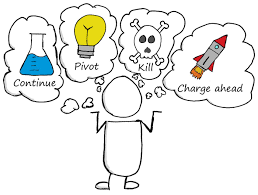
    Know When to Pivot or Stop: Sometimes, validation shows your core idea has problems. Or that the market isn’t ready. Or that a different approach is better.

    It’s okay to pivot your idea or even stop if the data strongly suggests it. This is a sign of smart business, not weakness.

    Build What People Want: Ultimately, validation ensures you are building something people will use, enjoy, and possibly pay for. This is the path to a successful and sustainable product.

    Quick Tips for Effective Validation

    Be Open-Minded: Don’t get too attached to your first idea.

    Listen More Than You Talk: Your customers have the answers.

    Test Early, Test Often: Don’t wait until the product is perfect.

    Use the Right Tools: Match your method to your goal.

    Document Everything: Keep track of feedback and decisions.

    Quick Fixes and Tips for Better Validation

    You don’t need a complex system to start. Here are some simple things you can do right away.

    Talk to 10 People: Seriously, just find ten people who fit your customer profile. Ask them about their problems. Don’t pitch your solution yet.

    Just understand their world.

    Create a Simple Survey: Use free tools. Ask 3-5 key questions about the problem you’re solving. Share it on social media or relevant forums.

    Draw Your Idea: Sketch out what your product might look like. Or how a service might work. Show these sketches to people and see their reactions.

    Do they get it? Does it look useful?

    Look at Competitors: What are others doing? What are people saying about their products in reviews? What are they complaining about?

    This is free market research.

    Define Your Biggest Fear: What is the one thing you are most afraid might be wrong with your idea? Design a quick test specifically to address that fear.

    Frequently Asked Questions About Product Validation

    What is the main goal of product validation?

    The main goal is to confirm if your product idea solves a real problem for a specific group of people. It helps ensure customers will want and use your product before you invest a lot of time and money.

    How long does product validation take?

    It varies greatly. Simple ideas might be validated quickly, sometimes in days or weeks. Complex products or services could take months.

    It depends on the depth of testing needed and how many cycles of feedback and iteration are required.

    Can I validate a product without building anything?

    Yes! You can start by talking to people, doing market research, and creating simple prototypes or mockups. Techniques like landing pages with email sign-ups or even pre-orders can also show interest without a finished product.

    What is an MVP, and why is it important for validation?

    An MVP, or Minimum Viable Product, is the simplest version of your product that can be released to early customers. It’s important because it allows you to test your core value proposition with real users, gather feedback, and learn quickly without building a full, complex product.

    When should I stop validating and start building the full product?

    You should feel confident that your core assumptions have been tested and proven. You have a clear understanding of customer needs and how your product meets them. You’ve likely gone through several rounds of feedback and made necessary adjustments.

    Is product validation only for startups?

    No, product validation is crucial for both startups and established companies. Large companies use it to test new features, enter new markets, or develop entirely new product lines. It helps avoid costly mistakes at any stage of a product’s life.

    What happens if my product validation shows negative results?

    Negative results are valuable! They tell you what’s not working, saving you from investing further in a flawed idea. You can use this feedback to pivot your idea, change your approach, refine your target audience, or, if necessary, decide to move on to a different concept.

    Conclusion

    Building something great starts with understanding people. A product validation framework is your guide. It helps you ask the right questions and listen carefully.

    Don’t be afraid to test your ideas early and often. This process leads to better products and happier customers.

  • Test Product With Small Budget

    The Ultimate Guide to Finding Great Products on a Small Budget

    We’ve all been there. You need something. Maybe it’s a new tool for a DIY project, a gift for a friend, or just something to make life a little easier. But then you see the price tag. Ouch. It feels like the perfect item is always out of reach when your wallet is feeling a bit thin. It’s a common frustration, and it can make you feel stuck. But what if I told you that finding good stuff doesn’t always mean spending a lot of money? This guide is all about showing you how to be a smart shopper. We’ll explore ways to discover quality items without breaking the bank. You’ll learn how to shop wiser and get more for your money.

    Finding great products on a small budget is very possible. It takes smart planning, careful searching, and knowing where to look. By comparing options and focusing on value, you can get quality items without overspending.

    What Does “Budget-Friendly” Really Mean?

    When we talk about budget-friendly, it doesn’t just mean “cheap.” Cheap things often break easily or don’t work very well. That’s not what we want. Being budget-friendly means finding the best value for your money. It’s about getting a good quality item at a fair price. It means you get something that lasts and serves its purpose well. You don’t want to buy something that you have to replace soon after. That would end up costing you more in the long run.

    Think about it like this: would you rather buy a $10 shirt that falls apart after two washes, or a $25 shirt that looks great and lasts for years? For most people, the second option is much better, even if it costs more upfront. It’s about making your money work harder for you. It’s a balance between price and how good the product is.

    Why Shopping Smart Matters More Than Ever

    In today’s world, there are so many choices. Stores and websites offer endless products. It’s easy to get lost in all the options. Plus, prices can change quickly. Sales pop up, and then prices go back up. It can feel like a constant game of trying to catch the best deal.

    When you have a small budget, every dollar counts. You can’t afford to waste money on things that aren’t worth it. That’s why learning how to shop smart is so important. It helps you avoid impulse buys that you might regret later. It gives you confidence that you are making good decisions. You’ll feel more in control of your spending. This skill is a superpower for your wallet!

    My Own Budget Shopping Mishap

    I remember a time I was trying to furnish my first apartment. I had very little money. I saw a couch online that looked perfect. It was a deep blue color and seemed really soft. The price was incredibly low, almost too good to be true. I jumped on it without really checking reviews or the seller’s reputation.

    When the couch arrived, it was a disaster. The fabric was thin and scratchy. The cushions flattened immediately. It looked okay from a distance, but sitting on it was uncomfortable. It started to sag within a month. I felt so disappointed and honestly, a little foolish. I had wasted what little money I had on something that was basically junk. That experience taught me a valuable lesson: low price isn’t always good value. I learned I needed to do more research and look for trustworthiness, not just the lowest number.

    Understanding Your Needs: The First Step

    Before you even start looking, take a moment. What do you really need? Is this a must-have item or a nice-to-have? How often will you use it? What specific features are most important to you?

    Answering these questions helps you focus. You won’t get sidetracked by shiny things you don’t actually need. For example, if you need a new frying pan, do you need a fancy non-stick one with a special handle, or will a simple, sturdy stainless steel pan do the job? If you only cook eggs once a week, a simpler pan might be perfect. If you’re a breakfast enthusiast, maybe you invest a little more.

    This step is about being honest with yourself. It prevents you from buying things based on impulse or what looks good. It’s the foundation of smart shopping.

    Research is Your Best Friend

    This is where the magic happens for budget shoppers. Never buy the first thing you see. Always do your homework.

    What kind of research?
    Read reviews: Look for honest opinions from other buyers.
    Compare prices: Check different stores and online sites.
    Look for comparisons: See how different models stack up against each other.
    Check product specifications: Make sure it has the features you need.

    Don’t just look at the star ratings. Read a few good reviews and a few bad ones. What are people saying? Are there common complaints? Sometimes, a product with a slightly lower overall rating might have fewer serious issues than a product with a slightly higher rating.

    For example, if you’re buying a blender, check reviews about its power. Does it crush ice well? How noisy is it? What about cleaning? These details matter more than a vague “it’s good.”

    Where to Hunt for Bargains

    The internet is a treasure trove, but so are physical places. Here are some places to find great products without spending too much:

    Online Marketplaces and Secondhand Sites

    These are goldmines for budget shoppers. You can find almost anything.
    Facebook Marketplace: Great for local finds. You can often see items in person before buying.
    Craigslist: Similar to Facebook Marketplace, but can have a wider range of items. Be cautious and meet in safe, public places.
    eBay: Excellent for used items, vintage goods, and sometimes even new items at a discount. Watch out for shipping costs.
    Poshmark, Depop, ThredUp: Perfect for clothing and accessories. You can find stylish items in great condition.
    Local Buy/Sell/Trade Groups: Many communities have online groups dedicated to selling items locally.

    Outlet Stores and Discount Retailers

    These stores offer new items at lower prices.
    Brand Outlet Stores: Many major brands have their own outlet stores. These often sell items from past seasons or with minor cosmetic flaws.
    Discount Chains: Stores like TJ Maxx, Marshalls, Ross, and Burlington offer a wide variety of branded goods at reduced prices. The stock changes constantly, so you never know what you’ll find.
    Big Box Store Clearance Sections: Always check the clearance or clearance aisle at stores like Target, Walmart, or Home Depot. You can often find great deals on returned items or end-of-season stock.

    Warehouse Clubs

    If you need items in bulk or higher-end goods, places like Costco or Sam’s Club can offer good value. Their prices per unit are often lower. Just make sure you will use everything you buy.

    Your Own Home!

    Seriously, before buying something new, look around. Do you already own something that could work? Can you repurpose an old item? This is the ultimate budget-saving strategy.

    Timing is Everything: Sales and Seasons

    Smart shoppers know that timing can lead to big savings.
    Holiday Sales: Black Friday, Cyber Monday, Memorial Day, Labor Day – these are prime times for discounts on many items.
    Seasonal Clearance: Stores want to get rid of old stock. After a holiday or at the end of a season, you can find great deals. Think winter coats in March or summer clothes in September.
    End-of-Year Sales: Many retailers have sales at the end of the year to clear inventory.
    Specific Item Sales: Some items go on sale at predictable times. For example, grills often go on sale after the summer. Electronics can have good sales around back-to-school time.

    Smart Shopping Timing Tips

    Wait for sales: If it’s not an emergency, hold off for a holiday sale or seasonal clearance.

    Seasonal shifts: Buy winter gear in spring, summer items in fall.

    End-of-model discounts: When a new version of a product comes out, the old one often goes on sale.

    Understanding Quality vs. Price

    This is a crucial point. The cheapest option isn’t always the best value. A product that costs a little more but lasts much longer is often a better deal.

    Consider durability. How well is it made? What materials were used? A well-made item might have a higher upfront cost, but you won’t have to replace it as often. This saves you money and hassle over time.

    Think about warranties and guarantees. A longer warranty can be a sign of a manufacturer’s confidence in their product. It also protects you if something goes wrong.

    When looking at products, ask yourself:
    Does this feel sturdy?
    Are the seams well-stitched (for fabric items)?
    Is the material solid (for furniture or tools)?
    Are there many negative reviews about it breaking?

    If a product feels flimsy or has a lot of bad reviews about its lifespan, it’s probably not a good investment, even if the price is low.

    The Power of Comparison Shopping

    Never skip this step. Use price comparison websites and apps. Check different retailers, both online and in local stores.

    For example, if you’re buying a new coffee maker:
    1. Note the exact model number.
    2. Search that model number on Google.
    3. Look at the prices on different retail sites (Amazon, Walmart, Target, Best Buy, etc.).
    4. Check the retailer’s own website for potential sales.
    5. Use a browser extension that tracks price history (like Honey or CamelCamelCamel for Amazon) to see if the current price is a good deal.

    This simple process can save you a significant amount of money. It takes a few extra minutes, but the savings are often well worth it.

    DIY and Upcycling: The Ultimate Budget Hack

    Sometimes, the best product is the one you make yourself or improve from something old.
    DIY: If you’re handy, consider making items yourself. You can often create something unique and high-quality for less than buying it. This works for furniture, decor, gifts, and more.
    Upcycling: Take an old item and give it a new purpose or a fresh look. An old dresser can become a stylish console table with a coat of paint. Jars can become storage containers. This is good for the planet and your wallet.

    DIY Project Ideas

    • Custom Shelving: Build your own shelves from lumber.
    • Painted Furniture: Revamp old furniture with chalk paint or spray paint.
    • Homemade Cleaning Supplies: Use vinegar, baking soda, and water.
    • Personalized Gifts: Create handmade cards, candles, or knitted items.

    When to Splurge (Even on a Budget)

    There are times when it makes sense to spend a little more, even when you’re trying to save. These are usually for items that are critical for your safety, health, or essential daily function.
    Safety Gear: If you’re doing something that requires safety equipment (like construction work or cycling), don’t skimp. A cheap helmet might not protect you.
    Essential Appliances: For major appliances like a refrigerator or a washing machine, investing in a reliable, energy-efficient model can save you money on repairs and utility bills in the long run.
    Comfort and Health: A good mattress or a supportive pair of shoes can impact your well-being. Sometimes, a higher price tag reflects better ergonomics and support.

    The key here is to distinguish between “nice-to-have” and “need-to-have for well-being.” If a slightly more expensive item significantly improves your quality of life or prevents a bigger problem, it might be worth the investment.

    Building a “Wish List” and Sticking to It

    When you have a budget, it’s easy to get tempted by impulse buys. Create a “wish list” on your phone or in a notebook. When you see something you like, add it to the list. Then, wait a few days or a week. Ask yourself again if you truly need it and if it fits your budget.

    This pause helps you make more rational decisions. It separates wants from needs. It also gives you time to research the item further and see if a better deal pops up.

    Understanding Return Policies

    Always know the return policy before you buy. This is especially important for online purchases. What if the item doesn’t work out? Can you return it? How long do you have? Are there any restocking fees?

    A good return policy can save you from being stuck with an item that doesn’t meet your expectations or needs. It’s an important part of the trust between you and the seller.

    The Role of Reviews and Testimonials

    Don’t just skim reviews; read them. Look for patterns. Are multiple people saying the same thing?
    Positive Reviews: What do people love about the product? Does it match your needs?
    Negative Reviews: What are the common complaints? Are these deal-breakers for you?
    User Photos/Videos: If available, these can give you a more realistic look at the product than professional photos.

    Trustworthy reviews come from real people who have used the product. Look for reviews that are detailed and explain why they liked or disliked something. Websites like Consumer Reports often provide in-depth, unbiased reviews, though they might require a subscription.

    Review Checklist

    Read the date: Is the review recent? Older reviews might not reflect current quality.

    Look for detail: Does the reviewer explain their experience?

    Check the source: Is the reviewer verified? Do they seem like a real customer?

    Compare opinions: Do multiple reviews mention the same pros or cons?

    The “Good Enough” Principle

    Sometimes, the perfect item at a perfect price just doesn’t exist. In these cases, aim for “good enough.” What is the best option that meets your essential needs at an acceptable price?

    This principle is about letting go of perfectionism. It’s about practicality. If a product functions well, is reasonably durable, and fits your budget, it’s likely a good choice. You don’t always need the top-of-the-line model.

    For example, if you need a basic calculator, you don’t need a graphing calculator. A simple, ten-digit calculator will do the job. It’s “good enough” for your needs.

    Looking for Refurbished or Open-Box Items

    These can be fantastic deals.
    Refurbished: Items that have been returned, repaired, and tested to work like new. They often come with a warranty.
    Open-Box: Products that were returned shortly after purchase, perhaps because the box was damaged or the customer changed their mind. They are usually in like-new condition.

    Major retailers and manufacturers often sell these items directly at a significant discount. It’s a great way to get a higher-quality product for less.

    Understanding the True Cost of Ownership

    Beyond the initial price, think about the long-term costs.
    Energy Costs: Energy-efficient appliances (like refrigerators or washing machines) use less electricity, saving you money over time.
    Maintenance Costs: Some products require regular maintenance or expensive repairs.
    Consumable Costs: Printers need ink, some appliances need special filters, etc. Factor these ongoing costs in.

    A product that is cheap to buy but expensive to run or maintain might cost you more in the end. Always look at the “total cost of ownership.”

    When to Avoid the Cheapest Option Entirely

    Some purchases are too important to cut corners on.
    Health and Safety: As mentioned, items related to your well-being should be top quality. Think helmets, car seats, baby monitors, and any medical equipment.
    Critical Infrastructure: If something is vital to your home or work, like a key piece of plumbing or a reliable computer for your job, don’t go for the absolute cheapest option. Failure can lead to bigger, more expensive problems.
    Items with High Emotional Value: Gifts or items that hold sentimental value might warrant a bit more investment to ensure quality and longevity.

    Red Flags for “Too Cheap”

    Unrealistic Discounts: Prices that seem far too low compared to similar items.

    Poor Material Quality: Products that feel flimsy or are made from obviously cheap materials.

    Lack of Reviews/Bad Reviews: No reviews or overwhelmingly negative feedback.

    No Warranty or Return Policy: Sellers who won’t stand behind their product.

    Leveraging Loyalty Programs and Coupons

    If you frequently shop at certain stores, sign up for their loyalty programs. These often give you points, discounts, or early access to sales.

    Always look for coupons or discount codes before buying online. Browser extensions can help automate this process. Even a small discount can add up if you’re making multiple purchases.

    The Art of Negotiation (Where Applicable)

    In some situations, you can negotiate the price. This is most common when buying used items, especially from individuals.
    Be Polite: Always be respectful.
    Know the Value: Have a realistic idea of what the item is worth.
    Make a Reasonable Offer: Don’t lowball excessively.
    Be Prepared to Walk Away: If you can’t agree on a price, it’s okay to move on.

    This is less common for new items in large retail stores, but sometimes sales associates might have a little flexibility on floor models or slightly older inventory.

    Final Thoughts on Budget Shopping Success

    Finding great products on a small budget is an ongoing skill. It requires patience, research, and a willingness to explore different avenues. Don’t be discouraged by initial price tags. By being a savvy shopper, you can fill your home with quality items that you love, without emptying your wallet. Remember, value is about what you get for what you pay, not just the lowest price.

    Frequently Asked Questions

    What is the best way to find discounted electronics on a budget?

    Look for refurbished models from reputable sellers or manufacturers. Check open-box deals at major retailers. Also, keep an eye on holiday sales like Black Friday and Cyber Monday. Compare prices across multiple sites before buying.

    How can I find affordable furniture that is still good quality?

    Explore secondhand marketplaces like Facebook Marketplace or Craigslist for used pieces. Check outlet stores and discount retailers like TJ Maxx or Ross. Consider DIY projects or upcycling old furniture. Read reviews carefully for durability.

    Are generic or store-brand products usually a good budget option?

    Often, yes. Many store brands are made by the same manufacturers as name brands and offer similar quality at a lower price. Always check reviews and compare ingredients or specifications if possible.

    When should I avoid buying the cheapest option available?

    Avoid the cheapest options for items related to safety, health, or critical home functions. If a product is essential, investing a little more in quality and reliability can prevent bigger costs and problems later.

    How can I tell if a used item is worth buying on a budget?

    Inspect the item carefully for any damage or wear. Check online reviews for the specific model if possible. Ask the seller questions about its history. Consider if the price reflects the item’s condition and remaining lifespan.

    What is the difference between “cheap” and “budget-friendly”?

    “Cheap” often means low price but potentially low quality and short lifespan. “Budget-friendly” means getting good value for your money, where the item is affordable and offers good quality and durability for its price.

  • Fast Product Testing Method

    We will look at how to test products super fast. You will learn the steps to get quick insights. This means you can make your product better, sooner.

    Let’s dive into how to get going.

    A fast product testing method helps you quickly see if your idea works. It focuses on getting honest feedback in a short time. This lets you learn what people think without long delays.

    You can then make smart changes fast. It’s all about speed and useful learning.

    What is Fast Product Testing?

    Fast product testing is a way to get feedback. It aims to be quick and effective. You don’t wait for weeks or months.

    Instead, you get useful thoughts in days. This helps you decide what to do next.

    Think of it like a quick check-up. You want to see how things are going. Is your product on the right track?

    Are people understanding it? Fast testing answers these questions fast.

    This method is not about deep, long-term studies. It’s about getting the most important information now. It’s a smart way to move forward with confidence.

    It helps avoid wasting time on things that don’t work.

    The main goal is to learn fast. This learning helps you improve your product. It guides your next steps.

    You get a clearer picture of what people want. And you get it without a long wait.

    Why Use a Fast Product Testing Method?

    There are big reasons to test products fast. The market changes quickly. You need to keep up.

    Testing fast lets you adapt. You can spot problems early. You can also find good things early.

    Startups often have limited money. They need to be smart with every dollar. Fast testing helps save money.

    You don’t spend a lot on something that might fail. You test, learn, and pivot if needed.

    Even big companies need speed. New ideas need quick validation. They can’t wait for big, slow tests.

    Fast feedback helps them stay ahead of rivals. It keeps their products fresh and exciting.

    It also builds better products. When you listen to users early, you make what they need. This leads to happy customers.

    Happy customers mean success for your product. It’s a win-win.

    Imagine you have a great idea. You build a version of it. You want to know if it’s good.

    A fast test tells you this. You don’t have to guess anymore. You have real data.

    This data is gold for product building.

    My Own Quick Test Story

    I remember working on a new app idea. It was for helping people find local music shows. I spent weeks building a simple version.

    I thought it was perfect. But I was scared to show it to many people.

    I worried they wouldn’t like it. I worried they would break it. I wanted it to be flawless.

    So, I kept tweaking it alone. My friend, who is also a developer, told me to stop. He said, “Just test it.”

    I finally agreed. I found five people. They were friends who liked live music.

    I asked them to try the app for two days. I watched them use it on video calls. One person got really confused trying to filter by date.

    They clicked everywhere! It was clear this part was not working well.

    Another user loved the “nearby” feature. They said it was the best part. This was great news.

    I learned so much in just two days. I saw where people struggled. I also saw what they loved.

    That quick feedback saved me weeks of work on the wrong things.

    It showed me that perfection isn’t the first step. Getting it in front of users is. Their real reactions are what matter.

    This experience made me a big fan of fast testing. It’s powerful.

    Key Elements of Fast Testing

    Focus: What single thing do you need to learn most right now?

    Speed: How can you get feedback in days, not weeks?

    Simplicity: Keep the test setup and the product version very simple.

    Action: The feedback must lead to clear next steps.

    Setting Up Your Fast Test

    Starting a fast test is about planning smart. You don’t need complex tools. You need a clear question.

    What do you really need to know?

    For example, is the main feature easy to use? Do people understand the value? Will they pay for it?

    Pick one big question.

    Then, create a simple version of your product. It could be a clickable prototype. It could be a basic app.

    It doesn’t need all the bells and whistles. It just needs to show the core idea.

    Next, find the right people to test. Who is your ideal user? Try to find a few of them.

    Five to ten people is often enough for quick tests. You want people who will be honest.

    Plan how you will get feedback. Will you watch them use it? Will you ask them questions after?

    Keep the testing session short. Maybe 30 minutes to an hour. This respects their time.

    Make sure you are ready to listen. Don’t defend your product. Just observe and learn.

    Your goal is to understand their experience. What did they like? What was hard for them?

    This setup takes less time than you think. A few hours of planning can save you days of guesswork later. It’s an investment in getting things right, fast.

    Finding the Right Testers Quickly

    Getting the right people to test is key. For fast tests, you need to find them fast. Where can you look?

    Your Network: Friends, family, and colleagues can be a start. But make sure they fit your target user. Someone who uses music apps a lot is good for the music app test.

    Online Communities: Look for online groups related to your product. Reddit, Facebook groups, or forums can be great. Post a simple message asking for testers.

    Be clear about who you need.

    Social Media: Use your own social media. Ask your followers if they are interested. You can even run a small, targeted ad.

    This can bring in people quickly.

    User Testing Platforms: Some websites help you find testers. They might cost money. But they can be very fast.

    They often have users ready to test.

    When you reach out, be clear. Explain what you need. How long will it take?

    What will they do? Offer a small thank you. This could be a gift card or free access to your product.

    Remember, you don’t need hundreds of people. For a fast test, a small group of honest testers is best. Their genuine reactions are more valuable than many opinions.

    Quick Tester Outreach Script Idea

    Subject: Quick Feedback Needed for

    Hi ,

    I’m working on a new . I’m looking for a few people who enjoy to try it out for about 30 minutes. Your honest thoughts would be a huge help as I develop it.

    Would you be interested in a quick test session this week? I’d love to hear your feedback.

    Thanks,

    Choosing the Right Testing Method

    For fast testing, simplicity is important. You want methods that yield quick results.

    Usability Testing: This is very common. You ask people to do specific tasks. You watch them.

    You see where they struggle. This can be done in person or remotely.

    Prototype Testing: If you don’t have a full product, use a prototype. This can be clickable screens. It shows the user flow.

    It helps test design and ideas.

    Surveys: Quick surveys can gather opinions. Use them for specific questions. Like, “Would you use this feature?” or “How much would you pay?” Keep surveys short.

    One-on-One Interviews: Talking directly to users is powerful. Ask open-ended questions. Let them share their thoughts freely.

    This gives deep insights.

    A/B Testing (Simple Version): For some things, you can test two options. Show one group version A. Show another group version B.

    See which one performs better. This works well for marketing copy or button colors.

    For a fast method, focus on one or two. Usability testing and quick interviews are great. They give you rich, qualitative data.

    This means you understand why users do things.

    Avoid complex methods that take days to set up. The goal is speed and clarity. Pick a method that answers your main question.

    Running the Test Session

    When the test session begins, make it easy for the tester. Greet them warmly. Explain the purpose again.

    Reassure them that they can’t do anything wrong.

    Your role is to guide, not to answer questions about the product. If they ask, “How do I do this?” you can say, “What would you try first?” or “How do you think that works?” This helps you see their natural behavior.

    Take notes. Or record the session if they agree. Pay attention to their body language.

    Are they frustrated? Confused? Happy?

    Ask them to think aloud. This is very helpful. It tells you what they are thinking as they use the product.

    “Okay, I’m looking for the save button now. I don’t see it here.” This is gold.

    After they complete tasks, ask follow-up questions. “What did you like most?” “What was the hardest part?” “Would you use this again?”

    Thank them sincerely for their time. Let them know how their feedback will help.

    Running a smooth session makes testers feel valued. It encourages honest feedback. It also ensures you get the data you need quickly.

    Quick-Scan Table: Test Session Checklist

    Step Notes
    Welcome Be friendly and put tester at ease.
    Explain Goal What you want to learn.
    Reassure They can’t do it wrong.
    Think Aloud Encourage them to speak their mind.
    Observe Watch actions and emotions.
    Note Taking Record key moments and quotes.
    Follow-up Qs Ask about likes/dislikes and future use.
    Thank You Show appreciation.

    Analyzing Your Results Fast

    Once the tests are done, look at your notes. Don’t wait too long. The sooner you analyze, the fresher the memories.

    Gather all your notes and recordings. For each tester, write down the key things they said or did. What were the main pain points?

    What did they love?

    Look for patterns. Do most testers have the same problem? Do they all love a certain feature?

    Focus on the most frequent or severe issues. For a fast test, you can’t fix everything. Pick the 1-3 most important things to address.

    Group similar feedback. For example, “confusing navigation,” “hard to find button,” and “don’t know where to go next” can all fall under “usability issues.”

    Write a short summary of your findings. What did you learn? What are the top 2-3 changes you need to make?

    This analysis should be quick. It’s not a deep academic study. It’s about getting actionable insights.

    What can you do right now to make the product better?

    The goal is to quickly identify what’s working and what’s not. This helps you steer the product in the right direction. You get a clear path forward.

    Iterating Based on Feedback

    The feedback from your fast test is useless if you don’t act on it. This is where the “fast” part really pays off. You can make changes quickly.

    Take your top findings. Make the necessary adjustments to your product or prototype. This might mean changing a button’s location.

    It could mean rewriting some text.

    Sometimes, you might need to test again. If you made big changes, you’ll want to see if they fixed the problem. You can then do another quick round of testing.

    This cycle of testing, analyzing, and changing is key. It’s how you build a great product. Fast testing lets you do this cycle many times.

    Each cycle makes the product better.

    Don’t aim for perfection in one go. Aim for rapid improvement. Small, fast changes add up.

    They lead to a much stronger product in the end.

    Think of it like sculpting. You don’t chip away the whole statue at once. You make small, precise cuts.

    Each cut refines the shape. Fast testing is your sculpting chisel.

    Contrast Matrix: Iteration vs. Waiting

    Fast Iteration

    Pros:

    • Quick improvements
    • Adapt to user needs fast
    • Reduced risk of building wrong thing
    • Builds user trust

    Cons:

    • Requires quick decision making
    • Might feel less polished initially

    Long Wait

    Pros:

    • More time for perfectionism
    • Less frequent decision pressure

    Cons:

    • Missed market opportunities
    • High risk of building unwanted features
    • Can lead to wasted resources
    • Users might lose interest

    When is Fast Testing NOT Enough?

    While fast testing is powerful, it has limits. It’s not always the best for every situation.

    Deep Behavioral Insights: If you need to understand complex user behavior over time, faster tests might not be enough. Long-term studies can reveal subtle patterns.

    Market Validation for Large Investments: For products requiring huge financial backing, you might need more robust data. This includes larger sample sizes and more in-depth market research.

    Complex Technical Products: Products with very intricate technical aspects might need more time for users to understand. A quick test might not let them get that far.

    Highly Regulated Industries: If your product is in a field like healthcare or finance, you might need more formal testing. This ensures compliance with strict rules.

    Finding Niche Issues: Sometimes, problems only appear when a very large number of people use your product. Fast tests with a small group might miss these.

    It’s about choosing the right tool for the job. Fast testing is excellent for getting initial validation and quick improvements. It’s not a replacement for all types of research.

    Think of it as the first step. It gets you moving. Later, you might need deeper dives.

    But you can start moving with speed thanks to fast testing.

    Common Pitfalls to Avoid

    Even with fast testing, mistakes can happen. Being aware of these helps you avoid them.

    Testing the Wrong People: If your testers aren’t your target audience, their feedback won’t be relevant. You might get misleading information.

    Asking Leading Questions: Don’t ask questions that suggest an answer. Instead of “Did you like the new button?” ask “What did you think of the button?”

    Not Defining Clear Goals: If you don’t know what you want to learn, the test will be unfocused. You won’t get clear answers.

    Too Much Product, Not Enough Testing: Trying to test too many features at once can overwhelm testers. Focus on the core. Get that right first.

    Ignoring Negative Feedback: It’s easy to dismiss feedback you don’t like. But that’s often the most valuable. Try to understand why they said it.

    Not Acting on Feedback: The biggest pitfall is doing tests and then doing nothing. Feedback is a gift. Use it to improve.

    Avoid these common traps. They will help you get the most out of your fast testing efforts. It’s about being smart with your time and resources.

    Quick Tips for Better Feedback

    Be Neutral: Don’t guide the user.

    Listen More: Let the user talk.

    Observe Behavior: What they do is often more important than what they say.

    Ask “Why?”: Dig deeper into their answers.

    Focus on User Goals: Are they achieving what they set out to do?

    The Future of Fast Product Testing

    As technology grows, fast product testing will get even faster. AI tools might help identify user sentiment quicker. Virtual reality could offer more immersive testing environments.

    The core principles, however, will likely remain the same. Speed, focus, and actionable insights are always valuable.

    We will see more tools that simplify the process. Setting up tests and finding testers will become easier. This allows more creators to get feedback early and often.

    The emphasis will continue to be on learning quickly. This is vital in today’s fast-paced world. Products that adapt based on real user needs will win.

    Fast testing is not just a trend. It’s a fundamental part of building successful products. It empowers creators to make what people truly want.

    And it does so, efficiently.

    Frequently Asked Questions

    How many people do I need for a fast test?

    For a fast test, 5 to 10 people are often enough. This number lets you see common patterns without getting overwhelmed. The key is getting honest feedback from the right users.

    What kind of product can I test this way?

    You can test almost any kind of product. This includes apps, websites, physical products, services, or even just an idea. As long as you can create a simple version or describe it clearly, you can test it.

    How long does a “fast” test usually take?

    A fast test typically involves a session of 30-60 minutes per tester. The entire process, from planning to analysis, can often be completed within a few days to a week.

    Is it okay to test with friends and family?

    Yes, but be careful. Friends and family may be biased. They might not give you honest, critical feedback.

    Try to find people who represent your actual target users if possible.

    What if the feedback is all negative?

    Negative feedback is valuable. It shows you what needs improvement. Instead of getting discouraged, view it as a chance to make your product much better.

    Understand the reasons behind the negativity.

    How do I make sure my test is unbiased?

    To reduce bias, use neutral language, don’t lead testers, and let them explore freely. Observing their natural behavior is key. Also, test with people who don’t know you or your product well.

    Final Thoughts

    Fast product testing is a powerful approach. It lets you get real feedback quickly. This helps you build better products.

    You can adapt to user needs sooner. You can avoid common mistakes.

    Embrace the speed. Focus on learning. Act on the insights you gain.

    This method will guide your product development. It leads to success. Start testing fast today.

  • How Many Products To Test

    The number of products to test depends on many things. These include the risk involved, the cost of testing, and how many items you make. For many simple items, testing a small batch is enough.

    For very important items, like those used in medicine, you test a lot more.

    Understanding Product Testing Numbers

    Deciding how many items to test isn’t a simple guess. It’s a smart choice based on facts. We need to think about what could go wrong.

    We also need to think about how much it costs to find out. Every business is a little different. What works for one might not work for another.

    But there are solid ways to figure this out.

    The main goal is to be confident. You want to be sure the products you send out are good. You want them to work as they should.

    You also want them to be safe for folks to use. Finding the right number means you don’t waste resources. You also don’t take on too much risk.

    It’s about smart sampling.

    My Own Testing Wake-Up Call

    I remember when I first started my small craft business. I made these hand-poured soy candles. They smelled amazing, and people loved them.

    I was so excited. For my first big batch, I made about 100 candles. I packed one box to test shipping and sent it to a friend.

    It arrived fine. Then, I just boxed up the rest and sent them out.

    A few weeks later, I got an email. A customer said her candle was tunneling. That means the wax burns down the middle, leaving wax on the sides.

    It wastes the candle. I felt a sinking feeling. I’d never even thought about checking each candle for that.

    I realized I had sent out many others that might have the same issue. I was lucky it wasn’t something more serious. That day, I learned that just assuming things are okay is not enough.

    You need a plan for testing.

    Quick Look: Why Testing Matters

    Product Quality: Makes sure items work well.

    Customer Trust: Builds faith in your brand.

    Safety First: Avoids harm to users.

    Brand Reputation: Keeps your name looking good.

    Cost Savings: Catches problems early, cheaper than recalls.

    What Is a “Test Lot”?

    When we talk about testing, we often think about a “lot” or a “batch.” This is a group of products. They are made under the same conditions. They are supposed to be all the same.

    Think of it like a single baking day. All the cookies made that day are one lot. If you test one cookie from that batch, you hope it tells you about all the others.

    The number you choose to test from this lot is your “sample size.” This sample size is key. It’s the heart of making a good decision. A bigger sample size gives you more confidence.

    But it also costs more time and money. A smaller sample size is cheaper. But you might miss a problem.

    Factors That Shape Your Testing Number

    So, how do you pick that sample size? Several things come into play. Think of them as puzzle pieces.

    You need to fit them together.

    Risk Level of the Product

    This is a big one. How risky is it if your product fails? If you sell t-shirts, a defect might mean a customer is unhappy.

    They might return it. But if you make car brakes, a defect could be very dangerous. It could cause a crash.

    Products that can cause harm or major loss have a higher risk. For these, you must test more items. You want to be very sure there are no defects.

    Agencies like the FDA for food and drugs or the NHTSA for car safety have strict rules. These rules often dictate how much testing is needed.

    Production Volume

    How many products do you make in total? If you make only 50 items, you might test 5 or 10. If you make 50,000 items, testing 10 isn’t enough.

    You can’t test every single one. That would be too costly and slow.

    For large volumes, you rely more on statistical sampling. This means using math to pick a sample. This sample is meant to represent the whole group fairly.

    The bigger the total number of items made, the more complex your sampling plan needs to be. But usually, the percentage you test goes down as the total number goes up.

    Cost of Testing

    Testing costs money and time. Some tests are quick and cheap. Others need special equipment or experts.

    They can take days or weeks. You have to balance the cost of testing against the cost of a failure.

    What’s the cost if a product fails in the customer’s hands? It might be a refund. It could be a damaged reputation.

    It might even be a lawsuit. Compare that to the cost of running the tests. You want to find the sweet spot.

    Acceptable Quality Level (AQL)

    This is a fancy term for “how many defects are we okay with?” For most consumer goods, you aim for a very low AQL. This means you want almost zero defects. For some less critical items, you might accept a tiny percentage of defects.

    An AQL is often set by industry standards or by the buyer. For example, an AQL of 1% means you are okay if up to 1 out of every 100 items has a minor flaw. It doesn’t mean you aim to have flaws.

    It means if a few slip by, it’s within an agreed limit.

    AQL Explained Simply

    What it is: The maximum percentage of defects you can tolerate in a batch.

    Example: If AQL is 1%, and you test 100 items, you might accept the batch if only 1 item has a minor problem.

    Why it matters: Helps set clear expectations for quality.

    Common Sampling Methods

    There are several ways to choose your sample size. Here are a few common ones.

    Simple Random Sampling

    This is like drawing names from a hat. Every product in the lot has an equal chance of being chosen. This is fair.

    It helps make sure your sample truly represents the whole batch.

    How to do it: Assign a number to each product. Then, use a random number generator to pick numbers. The products with those numbers are your sample.

    This works well when your products are all mixed up.

    Systematic Sampling

    Here, you pick items at regular intervals. For example, if you make 1000 items and want a sample of 100, you might pick every 10th item. So, item #10, #20, #30, all the way to #1000.

    This is easier than random sampling. But you must be sure there’s no pattern in your production line. If every 10th item is made slightly differently, this method could give you a bad sample.

    Stratified Sampling

    This is used when your product lot has subgroups. Imagine you make red and blue shirts. You want to make sure you test both colors fairly.

    You would divide your lot into strata (groups). Then, you take a random sample from each group.

    For example, if 70% of your shirts are red and 30% are blue, you’d take 70% of your sample from the red shirts. You’d take 30% from the blue shirts. This ensures each important subgroup is tested.

    Choosing Your Method

    Random: Best for fairness, equal chance for all.

    Systematic: Easy to use, good if no hidden patterns.

    Stratified: Use when you have distinct groups within your lot.

    Using Standards: MIL-STD-105E and ISO 2859

    For many industries, there are established standards. These help guide sample size. The most famous ones were MIL-STD-105D (and its updates like MIL-STD-105E).

    Now, the ISO 2859 standards are widely used. These are international versions.

    These standards provide tables. You look up your lot size. You also pick an AQL.

    The table then tells you the sample size. It also tells you how many defects are acceptable before you reject the whole lot. These standards are based on statistics.

    They help ensure consistent quality across many businesses.

    For example, if you make 5000 items and set an AQL of 2.5% for critical defects, the standard might tell you to inspect 200 items. It might say that if you find 10 or more defects in those 200, the lot is rejected. This takes the guesswork out.

    How Many Products to Test: The Numbers Game

    Let’s get to the heart of it. How many products do you actually test? There’s no single magic number.

    But we can use guides and common sense. Here’s a breakdown for different scenarios.

    For Small Batches (Under 100 items)

    If you make a very small number of items, say for a limited run or a craft fair, you might be able to test a good portion. For a batch of 20 items, testing 5-10 might be reasonable. This gives you high confidence.

    It’s not too expensive.

    Experience: When I make a small batch of custom-painted art pieces, I often inspect every single one. It’s faster than picking a few. It ensures each unique piece is perfect before I deliver it.

    For Medium Batches (100-1000 items)

    Here’s where statistical sampling really becomes useful. You can’t test them all. Using a table like ISO 2859 is common.

    For a lot size of 500, and a general AQL of 1.5%, you might test around 80 items.

    You’d look up your lot size in the table. Then choose your inspection level (normal, tightened, reduced). You’d also pick your AQL.

    The table gives you a sample size code letter. Then another table tells you the specific number of items to test.

    For Large Batches (Over 1000 items)

    As the lot size grows, the sample size usually grows too, but at a slower rate. For 10,000 items with an AQL of 1%, you might test around 315 items. The statistical methods become very important here.

    Expertise: Relying on established standards like ISO 2859 is crucial for large-scale production. They are designed by experts. They use proven mathematical models to give you the best chance of catching defects without testing every item.

    Sample Size Examples (Based on ISO 2859-1 General Inspection Level II)

    Lot Size: 50 | Sample Size: 5

    Lot Size: 200 | Sample Size: 20

    Lot Size: 1000 | Sample Size: 80

    Lot Size: 5000 | Sample Size: 200

    Lot Size: 10000 | Sample Size: 315

    Note: These are for illustrative purposes and depend on AQL and inspection level.

    Different Types of Testing Affect Numbers

    The kind of test you do also changes things. Some tests are destructive. This means the product is ruined during the test.

    You can’t test many of these. Others are non-destructive. You can test them and then sell them.

    Destructive Testing

    This is common for checking strength, durability, or material limits. For example, you might bend a metal rod until it breaks. Or you might run an electronic device until its battery dies completely.

    Because the product is destroyed, you can’t test many. Your sample size will be small. You rely heavily on the accuracy of these few tests.

    You also need to be sure the manufacturing process is very consistent.

    Non-Destructive Testing

    This includes visual inspection, electrical checks, or performance tests that don’t damage the item. You can test more items this way. This allows for larger sample sizes.

    Real-World Context: In a clothing factory, they do non-destructive tests. They check stitching, color, and measurements on many garments. They might do a destructive test on one sample garment per batch to check fabric strength.

    This balances resources.

    What to Look For in Your Sample

    What makes a product “fail” your test? This comes down to your quality standards. These should be clear before you start.

    Critical Defects

    These are defects that could cause harm. They could make the product unsafe. Or they could lead to major failure.

    Example: A crack in a baby bottle. A faulty brake line in a car. A short circuit in an electronic device that could cause a fire.

    If you find critical defects, you often stop the entire production line. You reject the whole lot immediately.

    Major Defects

    These defects significantly reduce the product’s usability or value. They don’t necessarily cause harm but make the product not work as intended.

    Example: A smartphone screen that doesn’t light up properly. A piece of clothing with a ripped seam. A tool that doesn’t perform its main function.

    Minor Defects

    These are small flaws that don’t affect the product’s function or safety. They are mostly cosmetic.

    Example: A small scratch on the back of a phone. A slightly uneven stitch in an inconspicuous area. A bit of dried glue on a shoe that can be easily removed.

    Defect Severity

    Critical: Safety hazard, immediate rejection.

    Major: Affects usability or value, usually rejects lot.

    Minor: Cosmetic, may be accepted in small numbers.

    When Is It Normal to Test Fewer Products?

    There are times when testing a smaller number makes sense.

    Very Low-Risk Products

    If you sell something with almost zero risk, like simple paper decorations or decorative items that don’t move or change, you might test less. But you still need some checks.

    Mature and Stable Processes

    If you have been making the same product for years. Your factory has a very reliable process. You have a long history of very few defects.

    You might be able to reduce your sample size. This is often called “reduced inspection” in the standards.

    Experience: A well-established bakery that has made the same bread recipe for decades likely doesn’t test every loaf for taste. They have great confidence in their process. But they still do quick visual checks and bake a few loaves to ensure consistency.

    When Quality Control is Built-In

    If your manufacturing process has many checks built in at each step, you might need fewer final tests. For example, if sensors automatically check the size of every part as it’s made, your final inspection might be lighter.

    When Do You Need to Test More Products?

    On the flip side, there are clear reasons to increase your testing.

    High-Risk Products

    As mentioned before, anything that could harm someone requires more scrutiny. This includes medical devices, children’s toys, and automotive parts.

    New or Changing Processes

    If you’ve just started making a product. Or if you’ve changed a key part of your manufacturing. You don’t know how stable the process is yet.

    Test more to catch any early problems.

    Expertise: When a new material is introduced or a new machine is installed, quality engineers will typically increase the sample size. They watch the data closely. They look for unexpected issues.

    This is a standard practice to manage new risks.

    Issues from Previous Batches

    If a past batch had problems, you might need to test more for a while. This is often called “tightened inspection.” You keep testing more until you are confident the problem is fixed.

    Specific Customer Requirements

    Sometimes, your customer, the company buying your products, will have specific testing demands. They might require a certain sample size or a specific AQL. You must meet these requirements.

    When to Test More

    High-Risk Products: Safety is paramount.

    New Processes: Until stability is proven.

    Recent Problems: To confirm fixes are working.

    Customer Demands: To meet buyer needs.

    Practical Steps for Your Business

    So, how do you put this into action for your own products?

    1. Understand Your Product’s Risk

    On a scale of 1 to 10, how dangerous is it if your product fails? Be honest. Is it an inconvenience or a hazard?

    2. Know Your Production Volume

    How many units do you make per batch or per day/week?

    3. Define Your Quality Standards

    What is an acceptable defect? What is not? Create a simple list or visual guide.

    4. Look Up Relevant Standards (If Applicable)

    For many industries, standards like ISO 2859 exist. Consult them if they fit your product type.

    5. Choose a Sampling Method

    Simple random, systematic, or stratified? Keep it practical for your setup.

    6. Determine Your Sample Size

    Use tables, online calculators, or consult with a quality expert if needed. Start with general inspection levels.

    7. Set Your AQL

    What percentage of defects is acceptable for minor issues? For major ones?

    8. Document Everything

    Keep records of your testing, your sample sizes, and the results. This builds your history.

    Trustworthiness: It’s vital to document your testing process. This shows you are serious about quality. If a problem does occur, your records can help you understand what happened and how to prevent it in the future.

    Can I Just Test 5% of Everything?

    Many people wonder about a simple rule like “test 5%.” While 5% might be reasonable for some products and lot sizes, it’s not a universal rule. For a lot of 20 items, 5% is only 1 item. That’s probably too low for confidence.

    For a lot of 1000 items, 5% is 50 items. This might be a good sample size, depending on the risk and AQL. The percentage you test often goes down as the total number of items goes up.

    This is why using tables and statistical methods is better than just picking a percentage.

    What About Testing “One of Each Kind”?

    If you make many different versions of a product (like different colors or sizes), testing just one of each might not be enough. Let’s say you make a chair. You offer it in red, blue, and green.

    If the red chair has a weak leg, testing only one blue and one green chair won’t catch it.

    You need to consider the number of items in your lot. If you make 100 red chairs and 100 blue chairs in the same batch, your total lot size is 200. You would use the tables for a lot size of 200.

    You might then ensure your sample includes some of each color. This is where stratified sampling helps.

    The Role of Suppliers

    If you buy components or finished goods from suppliers, you’ll need to consider their testing. Do they provide test reports? Do you perform incoming inspections on their products?

    Authority: Reputable suppliers often have their own quality control. They might follow ISO 9001 standards. However, it’s still wise for you to do some level of incoming inspection, especially for critical parts.

    This verifies their quality claims. Agencies like the Consumer Product Safety Commission (CPSC) provide guidelines for product safety testing, which can influence what you require from suppliers.

    For example, if you use a supplier for electronic chips, you might ask for their detailed test results. You might also take a sample of the chips you receive and test them yourself to confirm they meet specifications. The number you test would depend on the risk of the chip failing.

    Your Questions Answered

    Can I test every single product I make?

    You can, but it’s usually not practical or cost-effective for most businesses. Testing every item is called “100% inspection.” It’s only done for very high-risk products like life-support equipment or when defects are extremely easy and quick to spot.

    What is a good sample size for a small batch?

    For small batches under 100 items, a sample size of 5-20% is often a good starting point. For example, if you have 30 items, testing 3 to 6 of them gives you decent confidence.

    How does AQL affect the number of products to test?

    A lower AQL (meaning you want fewer defects) generally requires a larger sample size. A higher AQL (meaning you can tolerate more defects) might allow for a smaller sample size.

    What if I find defects in my sample?

    If you find critical or too many major defects in your sample, you typically reject the entire production lot. You then need to investigate the cause, fix the problem, and potentially re-inspect or remake the lot.

    Do I need special software to calculate sample sizes?

    Not always. For many standard situations, you can use tables from standards like ISO 2859 or online sample size calculators. For very complex needs, specialized software might be helpful.

    Is testing the same for physical and digital products?

    No. Physical products involve manufacturing defects. Digital products (like software) involve bugs and usability issues.

    Software testing uses different methods, like unit testing, integration testing, and user acceptance testing, with varying numbers of test cases rather than physical product samples.

    Conclusion: Making the Right Choice

    Figuring out how many products to test is a balance. It’s about protecting your customers. It’s also about protecting your business.

    Use the risk, volume, and cost as your guide. Don’t be afraid to use standard tables and methods. They are there to help you make smart, confident decisions about your product quality.

  • Product Testing Strategy

    A good product testing strategy looks at many angles. It checks if the product works as planned. It also sees if real people like using it. It finds problems before launch. This saves money and builds trust with customers. It covers different types of tests for different goals.

    Understanding Product Testing Strategy

    At its heart, a product testing strategy is a roadmap. It shows you the steps to take. These steps ensure your product is great. It needs to work right. It also needs to meet what people want. Think of it as a quality check. But it’s much more than just a simple check. It’s about planning ahead. You want to catch issues early. This saves you trouble later. It helps you make something truly valuable. A good strategy looks at the product from many sides. It asks if it’s safe. It asks if it’s easy to use. It asks if it solves a real problem. It’s a detailed plan to make sure your product shines.

    Why is this so important? Imagine launching a product. Then, customers find big bugs. Or maybe they just don’t get why they need it. That’s a tough spot to be in. It hurts your brand. It wastes resources. A smart testing strategy helps avoid this. It acts as a safety net. It guides your efforts. It makes sure you’re testing the right things. It helps you learn what users truly think. This makes your product better. It increases its chances of success. It’s about being proactive. It’s about building quality from the start.

    The goal is simple: create a product that works well. It should also delight users. A well-thought-out strategy makes this happen. It’s a crucial part of product development. It’s not an add-on. It’s woven into the whole process. This ensures you’re not just building something. You’re building the right thing. And you’re building it in the right way. This thoughtful approach pays off. It leads to happier customers. It leads to a stronger business. It’s about building trust and value.

    Why a Solid Testing Strategy Matters

    • Reduces Risk: Catches flaws before they reach customers.
    • Saves Money: Fixing problems early is cheaper.
    • Improves Quality: Makes the product more reliable and robust.
    • Boosts User Satisfaction: Ensures the product meets user needs.
    • Builds Trust: A well-tested product shows you care.
    • Gains Insights: You learn what users really think.

    The Core Components of a Product Testing Strategy

    A robust product testing strategy has several key parts. You can’t just guess what to test. You need a clear plan. This plan helps you cover all the important bases. It makes sure you’re not missing anything critical. Let’s look at these building blocks. They form the foundation of smart testing.

    First, you need to define your testing goals. What do you want to achieve with testing? Are you looking for bugs? Do you want to see if users understand your new feature? Is it about checking performance under heavy load? Clear goals guide all your testing efforts. They tell you what to focus on. Without clear goals, testing can become aimless. You might test things that don’t matter much. This wastes time and resources.

    Next, you must identify what to test. This is the scope of your testing. What features will you check? What parts of the user journey? What about the overall experience? Think about the most important aspects of your product. What would cause the biggest problems if it failed? Prioritize these areas. You can’t test everything all the time. You need to be smart about it. Consider the core functions. Think about new additions. Also, look at areas that caused issues before.

    Then comes how you will test. This is about choosing the right testing methods. There are many ways to test. Some are manual. Some are automated. Some involve real users. Others are done by your team. The method you choose depends on your goals. It also depends on what you’re testing. For example, usability testing with real users is great for understanding user experience. Automated tests are perfect for catching bugs quickly and repeatedly.

    You also need to think about who will test. Will your internal team do it? Will you hire external testers? Will you use a beta group of customers? Each option has pros and cons. Your internal team knows the product well. External testers can offer fresh eyes. Beta users provide real-world feedback. Choosing the right testers is vital for getting good insights.

    Finally, you must plan for when to test. Testing isn’t a one-time event. It happens throughout the product life cycle. You test during development. You test before a major release. You might even test after launch. Integrating testing at different stages is crucial. It ensures quality is built in, not added later. This continuous approach is more effective. It leads to a much better end product.

    Key Elements of a Testing Strategy

    • Clear Goals: What do you aim to find or confirm?
    • Defined Scope: What specific parts will you test?
    • Chosen Methods: How will you conduct the tests?
    • Participant Selection: Who will perform the tests?
    • Timing: When in the product lifecycle will testing occur?
    • Success Metrics: How will you know if the tests were successful?

    My Own Testing Trial by Fire

    I remember working on a small mobile app a few years back. It was a simple task manager. We thought we had it all figured out. The team was excited. We’d built what we thought users wanted. We did some basic checks ourselves. Everything seemed to work fine on our phones. We decided it was ready. We launched it to a small group first. Then, the feedback started rolling in. It was a mix of confusion and frustration.

    One user wrote, “I can’t figure out how to mark a task as complete.” Another said, “The buttons are too small, I keep tapping the wrong one.” I stared at my screen, a knot forming in my stomach. We had focused so much on the features. We hadn’t really stepped into a new user’s shoes. We hadn’t thought about how someone completely unfamiliar would interact with it. Our internal testing was too close to the product. We knew where everything was. We knew how it was supposed to work.

    That was a wake-up call. We hadn’t planned for usability testing with actual people outside our team. We hadn’t considered different screen sizes or finger dexterity. We thought we were done. But we were just starting. We had to scramble. We brought in a few friends who had never seen the app. We watched them use it. It was eye-opening. We saw so many little issues we’d completely missed. This experience taught me a huge lesson. A good product testing strategy is about empathy. It’s about seeing your creation through fresh eyes. It’s about planning for the unexpected user.

    Types of Product Testing

    There isn’t just one way to test a product. Different types of tests serve different purposes. A comprehensive product testing strategy uses a mix of these. This helps you cover all bases. It ensures your product is robust. It also ensures it’s user-friendly. Let’s explore some common types.

    Functional Testing: Does it Work?

    This is the most basic form of testing. It checks if each function of the product works as designed. For software, this means checking buttons, forms, and workflows. For a physical product, it means checking if it powers on, if parts move correctly, and if it performs its intended task. It’s about verifying the “what” it’s supposed to do.

    • Unit Testing: Checks small, isolated parts of the product.
    • Integration Testing: Checks how different parts work together.
    • System Testing: Checks the entire product as a whole.

    Usability Testing: Is it Easy to Use?

    This type of testing focuses on the end-user experience. It observes how real people interact with your product. The goal is to find out if it’s intuitive, efficient, and enjoyable to use. It helps identify confusing interfaces or difficult workflows. This is where you learn if users can actually accomplish their goals without frustration. It’s a critical step for customer satisfaction.

    • Task Completion: Can users perform key actions?
    • Navigation Clarity: Is it easy to find features?
    • User Satisfaction: Do users feel positive about the experience?
    • Efficiency: How quickly can users complete tasks?

    Performance Testing: How Fast and Stable Is It?

    This tests how the product behaves under different loads. It checks speed, responsiveness, and stability. Can your app handle thousands of users at once? Does your device overheat after prolonged use? Performance testing is crucial for ensuring a smooth experience, especially when many people are using it simultaneously. It prevents crashes and slow downs.

    • Load Testing: Checks performance with expected user numbers.
    • Stress Testing: Pushes the product beyond its limits to find breaking points.
    • Scalability Testing: Sees if the product can handle growth.

    Security Testing: Is it Safe from Threats?

    This is vital for any product that handles sensitive data. Security testing aims to find vulnerabilities. It checks for ways malicious actors could access, alter, or steal information. It also ensures the product protects user privacy. With increasing cyber threats, robust security testing is non-negotiable. It builds trust and prevents costly breaches.

    • Vulnerability Scanning: Identifies known weaknesses.
    • Penetration Testing: Simulates real attacks to find holes.
    • Access Control Testing: Ensures only authorized users can access data.

    Compatibility Testing: Does it Work Everywhere?

    Products often need to work across different environments. This could mean various operating systems, web browsers, devices, or even network conditions. Compatibility testing ensures your product behaves consistently. It prevents issues where it works perfectly on one setup but fails on another. This is key for reaching a wider audience.

    • Browser Compatibility: Checks across Chrome, Firefox, Safari, etc.
    • Device Compatibility: Tests on phones, tablets, and desktops.
    • OS Compatibility: Verifies performance on Windows, macOS, Android, iOS.

    Beta Testing: Real-World Feedback

    This involves releasing a near-final version of the product to a select group of real users. These users test the product in their own environments. They provide feedback on bugs, usability issues, and overall satisfaction. Beta testing offers invaluable insights into how the product performs in the wild. It’s a great way to catch those last-minute problems.

    • Open Beta: Available to anyone who signs up.
    • Closed Beta: Limited to a specific group of invited users.
    • Targeted Beta: Focuses on users with specific demographics or needs.

    Building Your Product Testing Strategy Framework

    Now that we know the components and types, let’s weave them together. Creating a solid product testing strategy framework is key. It’s not just about doing tests. It’s about having a repeatable process. This process ensures you’re always thinking about quality. It helps you adapt as your product grows.

    Start by understanding your target audience. Who are you building this for? What are their needs? What are their tech skills? Knowing your audience shapes your testing. If your users are not tech-savvy, usability testing becomes even more important. If they are power users, performance and advanced features might be key. Tailor your strategy to them.

    Map out the user journeys. Think about the path a user takes from start to finish. What are the critical steps? Test these paths thoroughly. Any friction in a key journey can cause users to leave. For example, if buying something is hard, people won’t buy it. Document these journeys. Then, align your testing efforts with them.

    Define your testing phases. When will each type of testing happen? Early on, you might focus on functional and unit tests. As the product develops, you’ll add integration and system tests. Before launch, usability and beta testing become critical. After launch, performance and security checks continue. A phased approach ensures that quality is built in at every stage. It’s about continuous improvement.

    Choose your testing tools and methods. What software will you use? Will you conduct in-person tests or remote sessions? Will you rely on automated scripts? Select tools that fit your budget and your team’s skills. For instance, tools like Selenium can automate web testing. UserTesting.com can help you find beta testers. The right tools make testing more efficient and effective.

    Establish a clear feedback loop. Testing is only useful if the feedback is acted upon. How will you collect feedback? How will you prioritize issues found? Who is responsible for fixing them? Make sure there’s a system in place. This ensures that testing results lead to actual improvements. Without this loop, testing becomes just an exercise.

    Finally, plan for iteration. Your first round of testing will uncover issues. Your second round will test the fixes. This cycle of testing, fixing, and re-testing is crucial. A good product testing strategy embraces this. It understands that quality is a journey, not a destination. Be prepared to go through multiple cycles. This ensures you deliver the best possible product.

    Building Your Framework: A Step-by-Step

    1. Understand Your Users: Define demographics, needs, and tech skills.
    2. Map User Journeys: Identify critical paths users take.
    3. Define Testing Phases: Align tests with development stages.
    4. Select Tools & Methods: Choose what works best for your team.
    5. Create Feedback Loops: Ensure insights lead to action.
    6. Plan for Iteration: Embrace cycles of testing and fixing.

    When Is Your Product Ready? Setting Exit Criteria

    One of the hardest parts of a product testing strategy is knowing when to stop. How do you decide your product is “ready” for launch? This is where exit criteria come in. They are the conditions that must be met before you can confidently release your product. Without them, testing can go on forever. Or worse, you might stop too soon.

    What kind of things become exit criteria? Think about the severity of bugs. Are there any critical bugs left open? Critical bugs are show-stoppers. They prevent users from doing basic tasks or cause the product to crash. Most strategies require all critical bugs to be fixed. They also might require most major bugs to be resolved.

    Another common criterion is passing key test cases. If you have a list of essential functions, they all need to pass. For example, if your e-commerce site can’t process payments, it’s not ready. You should have a set of “go/no-go” tests. These are the absolute must-haves.

    User acceptance is also important. Did your beta testers find the product acceptable? Did they feel it met their needs? Sometimes, a product can be technically sound but not what users want. Customer feedback from beta testing can be a key exit criterion. You might set a threshold for user satisfaction ratings.

    Performance targets can also be exit criteria. Is the product fast enough? Does it use resources efficiently? If your product is too slow, users will abandon it. You might have specific metrics for response times or memory usage that must be met.

    Defining these criteria early is important. It sets clear expectations for the team. It also provides an objective way to make the launch decision. It stops endless debate. It ensures that the product meets a certain standard before it’s released. A well-defined set of exit criteria is a sign of a mature product testing strategy.

    Typical Exit Criteria Examples

    Criterion Description
    Bug Severity Zero critical bugs, less than X major bugs.
    Test Case Pass Rate 100% pass rate for critical test cases.
    User Acceptance Positive feedback from beta testers, >X% satisfaction.
    Performance Benchmarks Meets defined response time and stability metrics.
    Security Audit No high-risk vulnerabilities identified.

    Real-World Context: Testing Software vs. Physical Products

    While the core principles of a product testing strategy remain the same, the specifics change. Testing software has different challenges than testing physical goods. Understanding these differences helps you refine your approach. It ensures you’re focusing on the right things for your specific product type.

    For software products, the emphasis is often on code. We look for bugs in logic. We test user interfaces for responsiveness and design. Compatibility across devices and operating systems is a major concern. Performance under heavy load is critical. Security testing is paramount due to digital threats. Automated testing plays a huge role here. It can run thousands of tests quickly. This helps catch regressions, which are errors introduced when new code is added. Feedback often comes from digital channels, like bug reports and user surveys.

    With physical products, the focus shifts. We test materials, durability, and safety. Does the product break under normal use? Is it safe to touch or use? How does it hold up to wear and tear? Ergonomics and how it feels in the hand are important. Manufacturing defects are a key concern. For example, a batch of toys might have sharp edges. Testing involves physical stress tests, material analysis, and real-world use simulations. Standards from bodies like the Consumer Product Safety Commission (CPSC) are vital. Compliance with these standards is a major part of the testing strategy.

    Consider a new smartphone. Its testing strategy would involve both. You’d test the software (apps, operating system, camera interface) for bugs and usability. You’d also test the hardware (battery life, screen durability, signal strength, physical integrity if dropped). Both aspects need rigorous testing. A bug in the software can be annoying. A flaw in the hardware can be dangerous.

    For example, a new kitchen appliance would undergo safety testing to meet UL standards. It would also be tested for how well it cooks or mixes. Usability testing would check if the controls are easy to understand. Durability testing would see how it holds up after hundreds of uses. The entire lifecycle, from component sourcing to final assembly, needs a testing lens. This holistic view is what makes a product testing strategy truly effective for any product type.

    What This Means for Your Product

    Understanding a good product testing strategy has direct impacts. It’s not just an academic exercise. It changes how you build and launch products. When you have a solid plan, you’re less likely to face major issues down the line. This saves you stress and heartache.

    For you, this means your product will likely be more reliable. When you test thoroughly, you catch bugs and flaws. This leads to a more stable and dependable product. Customers will experience fewer frustrating errors. They will be able to use your product as intended, without hiccups.

    It also means your product will be more user-friendly. By involving real users in testing, you learn how they actually interact with your product. You discover where they get confused or stuck. This allows you to make improvements. You can simplify processes. You can clarify instructions. The result is a product that’s a joy to use, not a puzzle.

    You’ll also find that your product’s reputation improves. A product that works well and is easy to use leads to happy customers. Happy customers tell others. They leave positive reviews. They become loyal advocates for your brand. This positive word-of-mouth is invaluable. It’s built on trust, which a good testing strategy helps create.

    Economically, it makes sense too. Fixing bugs after a product launches is much more expensive. It can involve costly recalls, customer support overloads, and damage control. Investing in testing upfront saves significant money in the long run. It means fewer costly mistakes and more predictable product launches.

    Ultimately, a strong product testing strategy means you’re building confidence. You’re building confidence in your product. You’re building confidence with your customers. It shows you are serious about quality. You are committed to delivering value. This confidence is the bedrock of any successful product and business.

    Quick Tips for Better Product Testing

    Implementing a full testing strategy can seem daunting. But even small steps can make a big difference. Here are a few quick tips to boost your testing efforts. These are easy to start with. They can lead to noticeable improvements.

    Start Testing Early and Often: Don’t wait until the product is almost finished. Test as soon as you have something to test. Even testing a single feature or a prototype is better than nothing. Continuous testing finds problems when they are small and easy to fix.

    Involve Real Users: Get feedback from people who are not on your team. They have fresh eyes. They will use the product in ways you didn’t expect. Simple usability tests with friends or family can reveal huge insights.

    Prioritize Test Cases: You can’t test everything. Focus on the most important functions and user journeys. What are the core features? What would upset users the most if it failed? Test these areas with extra care.

    Document Everything: Keep clear records of your tests. What did you test? What were the results? What issues did you find? This documentation is vital. It helps track progress. It shows what needs fixing. It provides a history for future testing.

    Automate Where Possible: For repetitive tasks, consider automation. Automated tests can run quickly and consistently. This frees up your human testers for more complex, exploratory testing. It’s especially useful for software.

    Test on Different Environments: If your product is used on different devices or systems, test them all. A product might work on your main computer but fail on an older phone. Ensure it’s reliable everywhere your audience might use it.

    Be Open to Feedback: Sometimes, you might not agree with a test result. But try to stay open. Feedback, even if critical, is a gift. It helps you improve. Listen to what users and testers are telling you. It’s the most direct path to a better product.

    Frequently Asked Questions About Product Testing

    What is the difference between QA and testing?

    Quality Assurance (QA) is a broad process. It focuses on preventing defects throughout the entire development lifecycle. Testing is a specific activity within QA. Testing verifies that the product meets requirements and finds defects. QA is about building quality in. Testing is about checking for defects.

    How much does product testing cost?

    The cost varies greatly. It depends on the product’s complexity. It also depends on the types of testing you do. Simple manual testing can be low cost. Extensive automated testing or hiring professional services costs more. However, the cost of not testing and fixing problems later is usually much higher.

    Should I use automated or manual testing?

    Both are important. Manual testing is great for exploring new features. It’s also best for usability and exploratory tests. Automated testing is ideal for repetitive tasks. This includes regression testing and performance testing. A good product testing strategy uses a balance of both.

    What is regression testing?

    Regression testing checks if new code changes have broken existing features. When developers add new features or fix bugs, they run regression tests. This ensures that the product still works as it did before. It’s a vital part of maintaining stability.

    How do I find beta testers?

    You can find beta testers through your existing customer base, social media, online communities, or specialized beta testing platforms. Offer incentives like early access, discounts, or free premium features. Clear communication about the testing process and feedback expectations is key.

    When is the best time to start product testing?

    Ideally, testing should start as early as possible in the product development lifecycle. This includes testing prototypes, individual components, and small features. Continuing testing throughout development and even after launch ensures ongoing quality and identifies new issues as the product evolves.

    Conclusion: Your Path to a Better Product

    Developing a clear product testing strategy is not a task to skip. It’s a journey of quality. It ensures your product is not just built, but built right. By understanding the types of tests and planning them carefully, you reduce risks. You improve user satisfaction. You save valuable resources. Remember to test early, test often, and always listen to your users. Your commitment to testing is a commitment to excellence.

  • When To Kill A Product

    This article will help you understand the signs that show it might be time to stop selling a product. We’ll look at why this happens and what you can do about it. You will learn how to make smart choices for your company’s future.

    Why Products Need to Be Retired

    Every product has a life cycle. Think of it like a person growing up. It starts small, gets popular, and then eventually fades.

    This is natural. Markets change. New things come out.

    What people want today might not be what they want next year. So, some products just don’t fit anymore.

    Sometimes, a product might not be making enough money. Or maybe it costs too much to make and sell. Other times, a competitor might have a much better product.

    It’s not a failure to retire a product. It’s often a smart business move. It frees up time and money for things that are working better.

    It’s like tending a garden. You need to pull out the plants that aren’t growing well. This makes room for new, healthy plants to bloom.

    Letting go of a product can be hard. But it’s often the best way to keep your business strong and growing.

    My Own Product Graveyard Story

    I remember this one time, years ago, when I launched a small line of handcrafted candles. I spent weeks perfecting the scents. I found the perfect jars and wicks.

    I even designed a nice label myself. I was so proud of them! My friends loved them.

    I thought they would be a huge hit.

    I set up an online shop and started selling. At first, it was exciting. I got a few orders.

    But then… silence. Weeks went by with no new sales. I tried lowering the price.

    I ran some ads. Still, not much was happening. The cost of the materials kept adding up.

    I was spending more than I was making.

    One evening, looking at a pile of unsold candles, I felt a pang of sadness. It felt like a personal failure. But then I thought about all the time I was spending on these candles.

    Time I could be using to develop other ideas. I realized then that sometimes, you have to make a tough choice. It was hard, but I decided to stop selling those candles.

    It was a relief, and it made room for new, more successful projects.

    Signs Your Product Might Be Failing

    Low Sales Numbers: Sales have been dropping for a while. New sales are rare.

    Decreasing Profit Margins: It costs more to make or sell the product than you earn from it.

    Negative Customer Feedback: More and more customers are complaining. They are not happy.

    Outdated Technology or Trends: The product is no longer modern. People want newer things.

    High Support Costs: You spend too much time fixing problems or answering questions about it.

    Lack of New Features: The product hasn’t been updated. It feels old.

    When Sales Numbers Tell a Story

    Sales numbers are like a report card for your product. If the numbers are going down, it’s a clear sign. This can happen for many reasons.

    Maybe there’s a new competitor. Or maybe people just don’t need the product as much anymore.

    You need to look at sales trends over time. A small dip might not mean much. But a steady drop over several months is a warning.

    Are you selling fewer units? Or are the total sales dollars going down? Both are important to watch.

    Think about your target customers. Are they buying less of this product? Are they moving on to something else?

    Your sales data can give you answers. It helps you see if the product is still popular.

    Quick Scan: Sales Trend Analysis

    Time Period Units Sold Revenue Trend
    Last Quarter 100 $1,000 Down
    Previous Quarter 150 $1,500 Down
    Year Ago 200 $2,000 Down

    Observation: Consistent decline indicates a problem.

    The Profitability Puzzle

    Making money is why businesses exist. So, if a product isn’t making money, it’s a big problem. This is called profitability.

    It’s not just about sales. It’s about what’s left after all the costs are paid.

    Costs include things like making the product. This is called cost of goods sold. It also includes marketing.

    And shipping. And customer support. If these costs are higher than the money you get from sales, you lose money.

    This is called negative profit margin.

    Sometimes, a product might still be selling. But it’s costing you more to make it than you earn. Maybe the price of raw materials went up.

    Or maybe your production process is too slow. You have to look at all the numbers carefully.

    You might need to adjust your prices. Or find cheaper ways to make it. But if you can’t fix the cost issue, it might be time to stop.

    It’s better to stop losing money on one thing. Then you can focus on things that are profitable.

    Profitability Check Factors

    • Cost of Goods Sold (COGS): How much it costs to make each item.
    • Marketing Expenses: Money spent to advertise and sell the product.
    • Operational Costs: Costs for running your business related to this product.
    • Return Rates: How often customers send the product back.
    • Customer Support Time: How much staff time is spent on this product.

    Customer Voice: What Are They Saying?

    Your customers are the best source of information. What they say about your product matters a lot. Are they happy?

    Are they having problems? Listen carefully to their feedback.

    This feedback can come in many forms. It could be reviews online. It could be emails or calls to customer service.

    It could even be comments on social media. Look for patterns in what people are saying. Are many customers mentioning the same issue?

    Negative feedback isn’t always bad. It can tell you what to improve. But if the feedback is consistently negative.

    And about the same core problems. It could mean the product itself is flawed. Or it’s just not meeting expectations anymore.

    Sometimes, customers might love the idea of your product. But they find it too hard to use. Or it breaks easily.

    If you get a lot of these comments, it’s a serious warning. It means the product isn’t working well for the people who buy it.

    Customer Feedback Insight

    Positive Feedback: Highlights what works. Use this for marketing.

    Constructive Feedback: Points out areas for improvement. Can be acted upon.

    Negative Feedback: Signals problems. Needs immediate attention.

    Types of Negative Feedback:

    • Product is broken or defective.
    • Product does not work as described.
    • Product is difficult to use.
    • Product does not meet expectations.

    Market Shifts and Changing Trends

    The world is always moving. What’s popular today might be old news tomorrow. This is true for technology.

    It’s also true for fashion, food, and many other things. Your product lives in this changing world. So, you must watch these shifts.

    Think about fads. Some products are popular for a short time. Then they disappear.

    Other products are affected by bigger changes. Like new technology. For example, remember when everyone used CDs?

    Now streaming is popular. So, CD players are not sold much.

    Your product might become old-fashioned. Or a new trend might make it less useful. You need to stay aware of what’s happening outside your business.

    Read industry news. Look at what competitors are doing. See what new things people are talking about.

    If your product doesn’t fit the current market, it will struggle. It’s hard to fight against major trends. Sometimes, it’s better to stop selling something that’s become outdated.

    Then you can focus on creating products that fit today’s world.

    Market Trend Checklist

    • New Technologies: Are there new inventions that make your product less relevant?
    • Shifting Consumer Needs: Do people want different things now?
    • Competitor Innovations: Are others making much better versions?
    • Economic Changes: Does the economy make your product less affordable?
    • Social or Cultural Shifts: Has society’s views changed how people see your product?

    The Cost of Maintaining Old Products

    Keeping a product alive can cost a lot. Even if it’s not selling well. You might still have inventory.

    You might still spend money on marketing. Or on keeping the product information online. This all adds up.

    There’s also the cost of your time and energy. If you’re spending hours dealing with an old product, that’s time you’re not spending on something new. Something that could be much more successful.

    Your brain space is valuable! Don’t let it get filled with things that aren’t working.

    Think about customer support. Old products often need more support. Customers might have questions about how to use them.

    Or they might have issues with them breaking. This takes up your support team’s time.

    So, even if a product is still making a tiny bit of money, it might not be worth it. The cost of keeping it going could be higher than the profit. It’s a calculation you have to make.

    Is this product still a good use of your resources?

    Hidden Costs of Keeping a Product

    Inventory Storage: Paying to keep unsold stock.

    Marketing Efforts: Still spending money to promote it.

    Website Maintenance: Keeping its page online and updated.

    Customer Service Time: Staff answering questions or fixing issues.

    Opportunity Cost: Time and money not spent on better ventures.

    When Competitors Steal the Show

    Competition is a natural part of business. But sometimes, a competitor does something amazing. They launch a product that’s far better than yours.

    Or much cheaper. This can make your product look bad.

    If a competitor has a superior product, you have a few choices. You could try to improve your product. Make it better to compete.

    Or you could try to compete on price. But this can hurt your profits.

    If your competitor’s product is just way ahead, it might be impossible to catch up. They might have better technology. Or a more efficient way of making it.

    In these cases, trying to keep your old product alive can feel like a losing battle.

    It’s important to know your competition. What are they offering? How does it compare to what you offer?

    If their product is clearly winning, you need to consider if your product can still compete. Staying in a fight you can’t win drains your resources.

    Competitor Analysis Points

    • Product Features: What does their product do that yours doesn’t?
    • Price Point: How much does their product cost?
    • Quality: Is their product made better?
    • Marketing: How are they advertising their product?
    • Customer Reviews: What are people saying about their product?

    Deciding Whether to Kill a Product

    Making the decision to stop selling a product is never easy. It’s a business choice. But it feels personal.

    You put effort into it. You wanted it to do well.

    You need to look at all the signs together. Are sales dropping? Is it losing money?

    Are customers unhappy? Is the market moving away from it? Are competitors much better?

    If you see many of these signs, it’s time to think seriously. It’s not about giving up. It’s about being smart.

    It’s about focusing your efforts where they will do the most good.

    Sometimes, you might be able to pivot. Can you change the product slightly? Can you target a different audience?

    But if the product is fundamentally not working, it’s better to stop. This frees you up to create and sell things that have a real chance of success.

    Decision Framework: Product Retirement

    Step 1: Gather Data. Look at sales, profit, and customer feedback.

    Step 2: Analyze Trends. See if things are getting better or worse.

    Step 3: Assess Market Fit. Does the product still matter to people?

    Step 4: Calculate Costs. What does it cost to keep it going?

    Step 5: Weigh Options. Can it be fixed? Or is it time to let go?

    Phasing Out a Product Gently

    When you decide to kill a product, you don’t have to do it all at once. You can plan a careful exit. This helps you manage your remaining inventory.

    It also lets your loyal customers know what’s happening.

    You could have a final sale. Offer a discount to sell off what’s left. This can bring in some last-minute revenue.

    It also helps you clear out stock.

    Tell your customers in advance. Let them know the product will no longer be available. This gives them a chance to buy more if they love it.

    It shows you care about them.

    Stop taking new orders after a certain date. Or when your stock runs out. Make sure your website reflects this.

    You don’t want customers trying to buy something you don’t have anymore.

    Finally, remove the product from your website and marketing materials. Make sure it’s no longer visible. This avoids confusion for new visitors.

    Product Retirement Timeline

    • Announcement: Inform customers about the upcoming discontinuation.
    • Final Sale: Offer discounts to clear remaining inventory.
    • Last Orders: Set a date or stock level for the final purchases.
    • Website Update: Remove the product from active listings and marketing.
    • Archiving: Keep relevant data for future reference, but make it inactive.

    What Happens Next? Focusing on the Future

    Letting go of a product can feel sad. But it’s also a chance to move forward. You have learned from this product.

    What worked? What didn’t? Use these lessons.

    Now you have more time and resources. You can focus on your successful products. Or you can start working on new ideas.

    Ideas that might be even better. Think about what your customers are asking for. What gaps are in the market?

    This is a fresh start. It’s a chance to innovate. To grow your business.

    Don’t dwell on the product that’s gone. Celebrate the opportunity to build something new and exciting. The future of your business depends on your ability to adapt and evolve.

    Moving Forward: Key Actions

    Analyze Lessons Learned: What insights did the retired product offer?

    Reallocate Resources: Shift staff time, budget, and focus.

    Develop New Ideas: Brainstorm and plan future products.

    Strengthen Existing Products: Improve what’s already working well.

    Engage with Customers: Ask them what they want next.

    Frequently Asked Questions

    How do I know if my product is truly failing or just having a slow period?

    Look at trends over months, not just days or weeks. If sales are consistently down and profit margins are shrinking, it’s more than a slow period. Check customer feedback for recurring issues.

    Analyze if market demand has changed.

    Is it better to discontinue a product or try to fix it?

    This depends on the problem. If it’s a small issue like a bug or outdated feature, fixing it might be good. If the product fundamentally doesn’t meet market needs or is consistently losing money, discontinuing is often wiser.

    Consider the cost and time to fix versus the potential return.

    What if I have a lot of unsold inventory for a product I want to kill?

    Plan a final sale or clearance event. Offer deep discounts to move the stock quickly. You could also consider bundling it with other products or donating it if it’s unsellable.

    The goal is to get rid of it to free up space and capital.

    How do I tell my customers that a product is being discontinued?

    Be honest and clear. Announce it in advance through email, social media, and on your website. Explain that it’s happening.

    Offer a final chance to buy. Thank them for their past support of the product.

    Will discontinuing a product hurt my brand image?

    It doesn’t have to. If you handle it professionally, it can show you’re responsive to market changes and customer needs. A well-managed discontinuation can even build trust.

    Avoid leaving customers stranded or disappointed.

    Can I bring back a product later if I discontinue it now?

    Yes, you can. Sometimes a product might be discontinued due to market timing or a temporary issue. If circumstances change, or if customer demand resurfaces, you could relaunch it.

    However, this should be a well-thought-out decision, not a reaction to regret.

    Conclusion

    Deciding when to stop selling a product is a critical business skill. It involves looking at facts and being honest about performance. By watching sales, profits, customer thoughts, and market changes, you can make the right choice.

    Letting go allows you to focus on what truly matters for your business’s future success and growth.

  • How Long To Test A Product

    It feels like you’ve poured your heart and soul into a new product. You’re excited. You’re ready to share it. But then a nagging question pops up: “How long does this actually need to be tested?” It’s a big one. It can feel like a guessing game. Getting it wrong means potential problems later. Getting it right means happy customers and a strong launch.

    Figuring out the right testing time is key. It protects you and the people who will use your creation. This guide will break down the process. We’ll look at what’s involved. We’ll help you understand the different stages. You’ll learn how to estimate the right amount of time for your specific product.

    This guide helps you understand the necessary testing timelines for bringing a new product to market. It covers crucial stages from initial concept to final release, ensuring quality, safety, and user satisfaction without unnecessary delays.

    Understanding Product Testing Phases

    Testing a product isn’t just one step. It’s a journey. Each phase has its own goal. And each phase takes a certain amount of time. Think of it like building a house. You wouldn’t just throw up the walls. You check the foundation first. Then the framing. Then the plumbing and electrical. Product testing is much the same. It moves from general checks to very specific ones.

    The main goal is to catch issues early. This saves money and time down the road. It also makes sure your product is safe and works well. We’ll explore the key testing phases. This will give you a clearer picture of the whole process.

    My Own Product Testing Story

    I remember my first big product launch. It was a small kitchen gadget. I thought I’d tested it enough. I’d used it myself a hundred times. My friends had tried it too. I thought we were golden. We rushed it to market. Within a week, I got an email. Someone’s gadget had a small part break off. It wasn’t dangerous, but it was annoying. They wanted a refund. Then another email. And another. My heart sank. My “enough” testing wasn’t actually enough. I learned a hard lesson that day about thoroughness.

    That experience taught me that personal use isn’t the same as real-world, varied use. Even with friends, people often try to be nice. They might not push the product to its limits like a stranger would. It made me realize the importance of structured testing. I learned that different types of users and scenarios are vital.

    Core Testing Stages Overview

    Concept Testing: Is the idea good?

    Prototype Testing: Does the basic version work?

    Usability Testing: Is it easy to use?

    Performance Testing: Does it do its job well?

    Durability Testing: Will it last?

    Safety Testing: Is it safe for users?

    Market Testing: Will people buy it?

    Concept and Idea Validation

    Before you build anything, you need to know if the idea itself has legs. This is concept testing. You’re not testing a physical product yet. You’re testing the idea of the product. Does it solve a real problem? Is there a need for it?

    This stage is about asking questions. You might talk to potential customers. You could run surveys. You might even create a simple landing page to see if people sign up for more info. The goal is to get feedback on the core concept. This avoids building something nobody wants.

    How long does this take? It can be quick. A few days of talking to people. Or maybe a week of running online ads. It depends on how fast you can gather opinions. It’s often the shortest testing phase. But it’s one of the most important. Skipping this can lead to wasted effort later.

    Idea Validation Tips

    • Talk to your target audience. Ask them about their problems.
    • Use surveys. Keep them short and to the point.
    • Create mockups. Show what you envision.
    • Look at competitors. What are they doing well?
    • Be open to feedback. It might change your idea.

    Prototyping and Early Testing

    Once the idea is solid, you make a prototype. This is a basic working model. It might not look pretty. It might be made of different materials. But it should do the main job you designed it for. This is where you start testing the actual function.

    Prototype testing focuses on core functionality. Does it turn on? Does it perform its main task? You’re looking for major flaws. This is the time to find out if your basic design is sound. You’ll iterate here a lot. You build, you test, you tweak, you build again.

    How long for this phase? It varies greatly. A simple prototype might take a few days to build and test. A complex one could take weeks or months. This includes design, building, and testing cycles. For many physical products, this stage can take 1 to 4 weeks per iteration. Software prototypes might be faster.

    Usability Testing: Making it Easy

    A product can work perfectly. It can be safe and durable. But if people can’t figure out how to use it, it will fail. Usability testing is all about that. It’s about seeing if your product is intuitive. Can users achieve their goals with it?

    In usability tests, you watch real people use your product. You give them tasks to complete. You don’t help them. You just observe. You look for confusion. You see where they get stuck. You note down any frustrations. This feedback is gold for refining the user experience.

    This phase typically takes 1 to 3 weeks. You might run a few rounds of testing. Each round involves recruiting participants, running the tests, and analyzing the results. A round might last 3-7 days for testing, plus time for setup and analysis.

    Usability Testing Steps

    • Define Goals: What do you want to learn?
    • Recruit Users: Find people like your target customers.
    • Prepare Tasks: Create realistic scenarios for them.
    • Conduct Tests: Watch and take notes. Ask follow-up questions.
    • Analyze Data: Find patterns and common issues.
    • Implement Changes: Fix what you learned.

    Performance and Durability Testing

    This is where you push the product. How well does it perform under stress? Does it meet its claimed capabilities? Performance testing checks speed, efficiency, and accuracy. For a blender, it might be how quickly it can blend tough ingredients. For software, it’s about how fast it loads.

    Durability testing is about how long it lasts. Will it break after a few uses? Or can it withstand repeated stress over time? This involves stress testing, cycle testing, and environmental testing. Think about extreme temperatures, drops, or continuous operation.

    The timeline here can be longer. Performance tests might be done within a week or two. But durability tests can take weeks or even months. You might need to run a product for thousands of cycles. Or expose it to harsh conditions for a set period. This stage is crucial for product reliability. It can add 2 to 8 weeks to your timeline.

    Durability Testing Examples

    Drop Tests: How many times can it be dropped from a certain height?

    Cycle Tests: How many on/off cycles can it handle?

    Load Tests: Can it handle the maximum weight or pressure?

    Environmental Tests: Does it work in heat, cold, or humidity?

    Safety Testing: A Non-Negotiable Step

    This is perhaps the most critical phase. Safety testing ensures your product won’t harm users or the environment. This is especially true for products involving electricity, heat, sharp edges, or chemicals. You absolutely must prioritize this.

    Safety testing often involves third-party labs. These labs have specialized equipment and expertise. They follow strict standards set by organizations like UL, CE, or FCC. For children’s products, standards like those from the Consumer Product Safety Commission (CPSC) are vital. This ensures your product meets legal and ethical requirements.

    The time for safety testing depends on the product’s complexity and the certifications required. It can range from 2 weeks to 2 months or even longer. This includes the time it takes for the lab to perform tests and provide a report. It’s often a bottleneck, so planning is key.

    Common Safety Standards

    UL (Underwriters Laboratories): For electrical product safety.

    CE: For products sold in the European Economic Area.

    FCC (Federal Communications Commission): For electronic devices that emit radio frequency.

    CPSC (Consumer Product Safety Commission): For general consumer product safety in the U.S.

    Market Testing and Beta Programs

    Before a full public launch, you might want to test the waters. Market testing involves offering your product to a limited group or in a limited area. This is to gauge market reception. Will people buy it? What price point works best?

    Beta testing is a form of market testing. You release a near-final version of your product to a group of testers. These are real users who provide feedback on performance, usability, and any bugs missed in earlier stages. This is your last chance to catch major issues before everyone sees it.

    The duration for this phase can vary. A beta program might run for 2 to 6 weeks. This gives testers enough time to use the product and provide thoughtful feedback. Market testing in specific regions could last longer, depending on sales cycles and data collection needs.

    Beta Program Tips

    • Clearly define the beta group.
    • Set expectations for testers. What feedback do you need?
    • Provide a clear way to report issues.
    • Thank your beta testers.
    • Act on the feedback received.

    Factors Influencing Test Duration

    So, how long is enough? The answer isn’t one size fits all. Several factors make the timeline stretch or shrink.

    Product Complexity: A simple app will test much faster than a new car engine. The more intricate the design and functions, the more testing is needed. Each component needs checking. Each interaction must be smooth.

    Industry and Regulations: Some industries have strict rules. Medical devices or food products need rigorous safety and efficacy testing. These are often mandated by government bodies. This adds significant time and cost.

    Target Audience: Are you designing for a general audience or a niche group? Testing with a diverse range of users is essential. If your product needs to work for older adults, for instance, you need to include them in your tests.

    Risk Level: Products with high risk if they fail will require more testing. Think about safety-critical items like car brakes or medical equipment. Low-risk items, like a novelty t-shirt, need less intense scrutiny.

    Development Stage: Testing happens throughout development. Early tests are shorter and focused. Later tests are more comprehensive. If you find major issues late, you might have to go back. This adds time.

    Quick Check Factors

    Complexity: Simple = Faster. Complex = Slower.

    Regulations: High = Longer. Low = Shorter.

    User Group: Broad = More testing. Niche = Potentially less.

    Risk: High risk = More time. Low risk = Less time.

    Development Stage: Early = Quick checks. Late = Deep dives.

    Typical Timelines for Different Product Types

    To give you a rough idea, here are some typical timelines. Remember, these are averages and can change.

    Software/App Development:

    • Unit Testing: Ongoing, integrated into coding.
    • Integration Testing: 1-3 weeks.
    • System Testing: 2-4 weeks.
    • User Acceptance Testing (UAT)/Beta: 2-6 weeks.
    • Total for significant testing: 4-12 weeks before launch, but continuous.

    Consumer Electronics (e.g., headphones, smart plugs):

    • Prototype Testing: 2-4 weeks (multiple iterations).
    • Usability Testing: 1-3 weeks.
    • Performance/Durability: 3-8 weeks.
    • Safety/Certification: 4-12 weeks.
    • Beta Testing: 2-6 weeks.
    • Total for dedicated testing phases: 12-33 weeks (approx. 3-8 months).

    Physical Goods (e.g., furniture, kitchenware):

    • Prototype Testing: 2-5 weeks.
    • Usability/Ergonomics: 1-3 weeks.
    • Durability/Load Testing: 4-10 weeks.
    • Safety Testing: 3-8 weeks (if applicable).
    • Market Testing: 2-4 weeks.
    • Total for dedicated testing phases: 12-30 weeks (approx. 3-7 months).

    Food and Beverage Products:

    • Sensory Evaluation/Taste Tests: 1-3 weeks.
    • Shelf-life Testing: 4-12 weeks (can be longer).
    • Safety/Microbiological Testing: 2-6 weeks.
    • Regulatory Compliance: 2-8 weeks.
    • Total for dedicated testing phases: 9-29 weeks (approx. 2-7 months).

    These numbers reflect the core testing after the product is designed and a working model exists. They don’t include the initial idea validation or design iteration time.

    When Is It “Enough” Testing?

    This is the million-dollar question. There’s no magic number. “Enough” means you’ve done your due diligence. You’ve addressed the key risks. You’ve validated the product with its intended users. You’ve met safety and regulatory requirements.

    It’s a balance. You can’t test forever. At some point, you need to launch. But launching too soon can be disastrous. Look for these signs:

    Signs You Might Be Ready to Launch

    • No critical bugs remain.
    • Safety standards are met and certified.
    • Key user tasks can be completed easily.
    • Users generally have positive feedback.
    • Durability and performance meet expectations.
    • You’ve addressed the majority of feedback from beta testing.

    It’s also about knowing the remaining risks. For instance, if you discover a minor cosmetic flaw very late, you might decide to accept it for the first batch and fix it in the next. This is a calculated decision, not an oversight.

    The Cost of Rushing vs. Over-Testing

    There’s a financial and strategic aspect to testing time. Rushing testing can lead to expensive recalls. It can damage your brand reputation. Fixing problems after launch is always more costly than fixing them during development. Imagine a widespread issue with your product. You’ll have to deal with returns, angry customers, and potentially costly repairs or replacements.

    On the other hand, over-testing can be inefficient. It can delay your market entry. Competitors might get there first. It also adds to development costs. You need to find the sweet spot. This means thorough, but also timely, testing.

    My own experience with the broken kitchen gadget taught me this lesson firsthand. The cost of those refunds and the dent in my reputation far outweighed the cost of a few more weeks of rigorous testing. It’s about investing wisely in quality.

    Real-World Scenario: A New Smartwatch

    Let’s imagine creating a new smartwatch. The company has an idea for a unique health-tracking feature. They’ve designed the hardware and software.

    First, they’d have concept testing. They’d show mockups and explain the feature to fitness enthusiasts and tech reviewers. This might take 2-3 weeks to gather feedback.

    Next, they’d build a few functional prototypes. These would go through internal testing for basic functions like time display, button responsiveness, and initial sensor readings. This could take 4-6 weeks, with several design tweaks.

    Then, usability testing would begin. Different age groups and tech-savviness levels would try to set up the watch, navigate menus, and use the new health feature. This phase, including recruiting and analysis, might take 3-4 weeks.

    Performance and durability testing would follow. They’d test battery life under various usage conditions, check the accuracy of the heart rate monitor against medical-grade devices, and subject the watch to water submersion tests and drop tests. This could be intensive, requiring 6-10 weeks.

    Safety testing would be crucial, especially for electronic components and battery. This would involve accredited labs to ensure compliance with FCC and other safety standards. This process can take 4-8 weeks.

    Finally, a beta program would launch. A group of 100-200 users would get the watch for a month to use in their daily lives. They’d report bugs, usability issues, and feedback on the health feature’s real-world performance. This phase would last 4-5 weeks, plus time to compile feedback and make final adjustments.

    Adding all this up, a thorough testing process for a smartwatch could easily span 23 to 36 weeks, or about 6 to 9 months. This is typical for complex consumer electronics.

    Smartwatch Testing Breakdown

    Concept Validation: 2-3 Weeks

    Prototyping & Internal Checks: 4-6 Weeks

    Usability Testing: 3-4 Weeks

    Performance & Durability: 6-10 Weeks

    Safety & Certification: 4-8 Weeks

    Beta Program: 4-5 Weeks

    Total Estimated: 23-36 Weeks (6-9 Months)

    What This Means for Your Product

    Understanding these phases and timelines is essential. It helps you set realistic expectations. It allows for better planning and resource allocation. Don’t just guess how long testing should take. Map out the stages relevant to your product. Consider the complexity and risks involved.

    It’s better to build testing into your project schedule from the start. Factor in time for potential delays. Be prepared to iterate based on feedback. A well-tested product is a confident launch.

    Quick Tips for Efficient Testing

    While thoroughness is key, efficiency matters too. Here are some ways to make your testing process smoother:

    • Start testing early. Don’t wait until the product is “finished.”
    • Test the most critical features first. Address core functionality and safety early.
    • Use automated testing where possible. Especially for software, this can save time.
    • Plan your tests in advance. Know what you want to achieve in each session.
    • Get feedback from diverse users. This catches more issues.
    • Document everything. Keep clear records of test results and issues found.
    • Prioritize feedback. Focus on fixing the most important problems.

    Frequently Asked Questions

    How long does it take to test a new app?

    Testing a new app usually involves several stages: unit testing, integration testing, system testing, and user acceptance testing (UAT) or beta testing. While unit testing is ongoing during development, dedicated testing phases can take anywhere from 4 to 12 weeks before a significant launch. Continuous testing and updates are common for apps.

    What is the shortest time to test a product?

    The shortest time to test a very simple product with low risk might be 2-4 weeks. This would involve basic functional checks, usability for a few users, and a quick safety glance if applicable. However, most products require significantly more time for thorough validation.

    Should I test my product for longer than the timeline suggests?

    If you discover significant issues or receive concerning feedback during your planned testing period, it’s wise to extend the testing. Prioritizing product quality and safety over a strict deadline is usually the best approach, especially for complex or high-risk items.

    What if I can’t afford extensive testing?

    If budget is a constraint, focus on the most critical testing phases: core functionality, essential usability, and mandatory safety compliance. Prioritize getting feedback from a small, diverse group of your target users. Sometimes, a phased launch is an option where you test with a smaller group first.

    How long should I test a physical product prototype?

    Testing a physical product prototype can take 2 to 5 weeks, often involving multiple iterations. This includes checking its basic function, usability, and early signs of durability. Complex prototypes may require longer periods for design and build-test cycles.

    Is safety testing always necessary?

    Yes, safety testing is always necessary, especially for products that could pose a risk to users, property, or the environment. Regulatory requirements often mandate specific safety tests. Even for seemingly simple products, unforeseen safety issues can arise if not properly evaluated.

    What’s the difference between performance and durability testing?

    Performance testing checks how well a product functions under normal and peak conditions, like speed or accuracy. Durability testing assesses how long a product lasts and its resistance to wear and tear over time, often through repeated use or stress.

    Conclusion

    Determining how long to test a product is a critical strategic decision. It’s a balance between thoroughness, market speed, and cost. By understanding the different testing phases—from concept validation to safety checks and market readiness—you can create a comprehensive plan. Investing adequate time in testing safeguards your reputation and ensures you deliver a quality, safe product that customers will love.

  • Product Testing Budget

    A well-planned product testing budget is key for launching a successful product. It helps control costs, identify issues early, and ensure customer satisfaction. This guide will help you understand what goes into that budget and how to manage it wisely.

    Understanding Product Testing Budgets

    A product testing budget is simply a plan for how much money you will spend on testing your product. This includes all the steps needed to make sure your product is ready for customers. Think of it as an investment.

    Spending a little now to test well can save you a lot of trouble later. It stops you from having to fix big problems after your product is already being used. This kind of planning is super important for both small startups and big companies.

    It helps make sure your product is safe, works right, and people will like it.

    Why is this budget so vital? Well, imagine launching a product that breaks quickly. That’s bad for customers.

    It’s also bad for your company’s name. People won’t trust you. They won’t buy again.

    Testing helps you find and fix these issues before anyone else does. It’s like giving your product a check-up. A good budget helps you know what tests you can afford.

    It also helps you decide which tests are most important. This way, you don’t waste money on things you don’t need.

    When you set up your budget, you need to think about different types of tests. There are tests for quality. There are tests for safety.

    There are also tests to see if people actually like your product. Each type of test might need a different amount of money. So, your budget needs to cover all of these.

    It’s not just one big number. It’s a breakdown of where the money goes. This careful planning makes sure you test everything important.

    It also makes sure you don’t spend more than you have. This helps your project stay on track.

    The goal is to find problems when they are small and cheap to fix. A tiny bug found early might cost a few dollars to change. That same bug found after launch could cost thousands to fix.

    It might even involve recalling products. That’s a huge expense. So, a smart budget for testing protects your money and your reputation.

    It’s a core part of bringing a good product to market.

    What Makes Up a Product Testing Budget?

    Building your product testing budget means looking at all the possible costs. It’s like packing for a trip. You need to think about everything you might need.

    Some costs are obvious, like buying the materials for test versions. Others are less clear, like paying people to try out your product. We need to look at each part so nothing sneaks up on you.

    First, there are the materials and tools. If you are making a physical product, you’ll need to build prototypes. These are early versions.

    You might need several. Each one costs money to make. If it’s software, you might need special computers or testing software.

    These can be expensive. Think about the cost of parts, manufacturing, or software licenses. This is often the biggest chunk of the budget.

    Next, consider personnel costs. Who is doing the testing? This could be your own team.

    You might need to pay them for their time. Or, you might hire outside experts. These experts charge fees for their skills and time.

    If you are testing with actual customers, you might need to pay them for their feedback. This could be a small gift card or a larger payment, depending on the test. Don’t forget the cost of managing the testing process itself.

    Then, there are the testing environments. Where will you test? Some tests need a special lab.

    This might cost money to rent or set up. Other tests can happen anywhere. But you still need to think about any costs tied to the location.

    For example, if you test in different cities, you might have travel costs for your team. Or maybe you need to pay for a secure location to test.

    Certification and compliance testing is another big part. Many products need to meet certain rules or standards. For example, electronics might need FCC approval.

    Toys need to be safe for kids. Getting these certifications often involves formal testing by approved labs. These labs charge fees.

    You need to include these costs in your budget. They are often mandatory.

    Don’t forget reporting and analysis. After the tests are done, someone needs to look at the results. They need to write up what they found.

    This takes time and skill. You might need special software to help analyze data. Paying someone to do this well is important.

    Clear reports help you make good decisions about your product.

    Finally, always add a contingency fund. Things rarely go exactly as planned. You might need to repeat a test.

    Or, you might discover a problem that needs a whole new kind of test. Having extra money set aside (usually 10-20%) is a smart move. It means unexpected issues won’t derail your entire budget.

    It gives you flexibility.

    Key Budget Components

    Materials for Prototypes: Costs for parts, raw goods, and components to build test versions. This is especially high for hardware.

    Labor for Testing: Wages for your internal team or fees for external testers and QA professionals.

    Software & Tools: Licenses for testing software, devices, or specialized equipment.

    Third-Party Labs: Fees for external labs for specialized tests like safety, durability, or compliance.

    Participant Incentives: Payments or gifts for users participating in beta tests or user studies.

    Travel & Logistics: Costs associated with testing in different locations or transporting test units.

    Reporting & Analysis: Time and tools needed to process, interpret, and present test findings.

    Contingency Fund: A buffer (10-20%) for unexpected expenses or scope changes.

    When Did I Learn About Budgeting for Testing?

    I remember launching my first major project. It was a smart home gadget. We poured everything into development.

    We felt so good about the product itself. We thought, “It works on our desks, it’s ready!” We did some quick checks, but we skipped a lot of deep testing. We were really on a tight schedule.

    And honestly, we didn’t have a clear budget for proper testing. We thought it would just “happen.”

    The first week after launch was a nightmare. We got emails. Then calls.

    Then social media posts. The device was acting weird for some people. It would randomly restart.

    For others, the battery drained super fast. We were blindsided. We had to drop everything.

    We scrambled to figure out what was wrong. It turned out there was a conflict with certain Wi-Fi routers we hadn’t tested against. Another issue was related to a specific batch of components that had a slight variation.

    These were things we could have caught! But we didn’t budget the time or money to find them.

    The fix was incredibly expensive and stressful. We had to push out urgent software updates. We also had to send

    Types of Product Testing and Their Budgetary Impact

    Not all tests are the same. Some are quick checks. Others are long, complex processes.

    Each type affects your budget differently. Understanding these differences helps you allocate your money wisely. You want to get the most bang for your buck.

    This means focusing on the tests that matter most for your product’s success and safety.

    Functional Testing checks if the product does what it’s supposed to do. Does the button turn it on? Does the app connect?

    This is usually done by your internal team. The cost is mainly their time. If you have a lot of features, this can take a long time.

    So, the cost grows with complexity. For software, automation tools can help here. This lowers the cost per test over time.

    Usability Testing looks at how easy and enjoyable the product is to use. Can a new person figure it out? Is it intuitive?

    This often involves real users. You might pay them. You also need someone to plan the tests and watch users.

    This helps you see where people get stuck. This is crucial for products people interact with directly. The budget here covers user incentives and facilitator time.

    Performance Testing checks how well the product handles stress. Can it run for a long time? How fast is it?

    What happens if many people use it at once? This can require specialized equipment or software. It might also take a significant amount of time.

    The costs here can be higher due to the resources needed. For cloud services, this is absolutely critical.

    Security Testing finds vulnerabilities. Can someone hack into it? Is user data safe?

    This is vital for anything connected to the internet or handling sensitive information. You might need security experts. These experts can be expensive.

    The risk of a security breach is huge, so this is often a non-negotiable cost. The budget must reflect the need for specialized skills.

    Reliability Testing checks if the product works consistently over time. Does it break after a few uses? This often involves running the product for extended periods.

    The cost comes from running the equipment or product for days or weeks. It also includes the labor to monitor it and record any failures. It’s about ensuring long-term quality.

    Compliance and Certification Testing is about meeting legal and industry standards. This is often done by third-party labs. These labs have strict procedures and high fees.

    The cost here is usually fixed for each standard you need to meet. You must research which standards apply to your product and get quotes from labs early in your planning. This is a fixed, often significant, expense.

    Testing Type Quick Guide

    Functional Testing

    What it checks: If features work as designed.Budget Impact: Moderate, often internal labor, scales with features.

    Usability Testing

    What it checks: How easy and pleasant it is to use.Budget Impact: Moderate, user incentives and facilitator time.

    Performance Testing

    What it checks: How well it handles load and speed.Budget Impact: High, requires specialized equipment/software.

    Security Testing

    What it checks: Vulnerabilities and data protection.Budget Impact: High, needs expert skills.

    Reliability Testing

    What it checks: Consistent performance over time.Budget Impact: Moderate to High, long test durations.

    Compliance/Certification

    What it checks: Meeting industry/legal standards.Budget Impact: High, fixed fees from third-party labs.

    When you are making your product testing budget, think about the life cycle of your product. Early on, you might focus on functional and usability tests. As you get closer to launch, performance, security, and compliance become more critical.

    Your budget needs to shift focus too. It’s not a static number for the whole project. It evolves as the product does.

    Real-World Scenarios and Budgetary Decisions

    Let’s look at how different situations change the budget. Imagine you’re building a simple kitchen gadget. It just needs to chop vegetables.

    The main risk is it doesn’t chop well or it’s hard to clean. Your budget will likely focus on functional tests (does it chop?) and usability tests (is it easy to use and clean?). You might not need super-expensive security testing.

    Now, think about a new medical device. This is completely different. Safety is the absolute top priority.

    It needs to work perfectly every single time. The budget must include rigorous functional testing. It needs extensive reliability testing.

    And most importantly, it needs to pass strict regulatory compliance testing. This will involve highly specialized labs and experts. The budget here will be much, much higher.

    A failure could have serious consequences for health.

    Consider a mobile app. The main risks are bugs, crashes, and users not liking the interface. Your budget will focus heavily on functional testing (all buttons work) and usability testing (is it easy to navigate?).

    Performance testing is also important to ensure it’s fast and doesn’t drain the battery. Security testing is vital if it handles any personal data. The cost here is often related to the number of devices and operating systems you need to test on.

    What about a children’s toy? Safety is paramount. It must be non-toxic.

    It must not have small parts that break off. Your budget will heavily feature compliance testing for toy safety standards. Durability testing is also key – can it withstand rough play?

    Functional tests ensure it does what it’s supposed to. The focus is on preventing harm.

    These examples show that the product itself dictates where your testing budget needs to go. A toy needs a different budget than a financial app. A kitchen tool needs a different budget than an industrial machine.

    It’s about identifying the biggest risks for your specific product. Then, you allocate your money to address those risks through testing.

    Scenario vs. Budget Focus

    Scenario: Simple Kitchen Gadget

    Main Risks: Poor performance, difficult to clean.Budget Focus: Functional, Usability, Durability (basic).

    Scenario: Medical Device

    Main Risks: Safety failures, inconsistent operation.Budget Focus: Extreme Functional, Reliability, Safety Compliance, Regulatory.

    Scenario: Mobile App

    Main Risks: Bugs, crashes, poor user experience.Budget Focus: Functional, Usability, Performance, Security (if data involved).

    Scenario: Children’s Toy

    Main Risks: Choking hazards, toxic materials, breakages.Budget Focus: Safety Compliance (toys), Durability, Functional.

    When you’re building your product testing budget, it’s smart to talk to people who have launched similar products. They can offer insights into what tests were most critical and what costs they encountered. This real-world advice is invaluable.

    It helps you create a budget that is both realistic and effective for your unique product.

    Strategies for Optimizing Your Testing Budget

    It’s not always about having a huge amount of money. Often, it’s about being smart with the money you do have. There are several ways to make your testing budget work harder for you.

    These strategies focus on efficiency and impact. They help you get the best results without overspending. This is where clever planning really pays off.

    One of the best ways is to start testing early. Don’t wait until the product is completely finished. Test your ideas and concepts as soon as possible.

    This means you can catch fundamental flaws when they are cheapest to fix. A simple prototype or even a detailed mockup can be tested for usability. Catching a problem with a drawing is free.

    Catching it after manufacturing starts is not.

    Prioritize your tests. You can’t test for everything with the same intensity. Figure out the most critical risks for your product.

    Focus your budget and resources on testing those areas thoroughly. Use a risk assessment approach. What could go wrong?

    What would be the impact? Put your money where the biggest risks lie. This ensures you’re not wasting money on low-impact testing.

    Leverage automation where possible. For software products, automated tests can run many checks much faster and cheaper than humans. Once set up, these tests can be run repeatedly.

    This saves a lot of manual labor over time. While setting up automation has an initial cost, it often pays for itself quickly. Think about automating repetitive functional tests.

    Use a mix of internal and external resources. Your own team knows the product best. They can do a lot of initial testing.

    But sometimes, you need an outside perspective. For specialized testing, like security audits or compliance certifications, you’ll need experts. Choosing the right mix saves money.

    Don’t pay an expensive consultant for a task your junior developer can handle. But definitely pay an expert for their unique skills.

    Be efficient with your prototypes. Instead of building a perfect prototype for every test, use simpler versions. For early usability tests, a low-fidelity prototype might be enough.

    Only invest in expensive, high-fidelity prototypes when you’re more confident in the design. This saves on material and manufacturing costs.

    Gather feedback strategically. When you involve users, make sure you are asking the right questions. Don’t just ask “Do you like it?” Ask specific questions about their experience.

    What was confusing? What could be improved? Clear feedback loops mean you get actionable insights without wasting users’ time or your money on unfocused studies.

    Negotiate with vendors and labs. If you need to use external testing labs, get quotes from multiple providers. Don’t just accept the first price.

    See if you can negotiate discounts for longer-term contracts or bundled services. Building good relationships can also lead to better pricing.

    Smart Budgeting Tips

    Start Early, Test Often

    Catch problems when they are cheap to fix. Test concepts, not just final products.

    Prioritize Risks

    Focus budget on the most critical areas. What could cause the biggest problems?

    Embrace Automation

    Especially for software, automate repetitive tests to save time and money long-term.

    Blend Internal & External Expertise

    Use your team for what they do best, and outsource specialized tasks.

    Optimize Prototypes

    Use the simplest prototype that will get you the needed feedback. Save high-fidelity for later.

    Focused Feedback

    Ask specific, actionable questions during user testing.

    Negotiate Costs

    Get multiple quotes from labs and vendors. Look for discounts.

    Making your product testing budget work for you is an ongoing process. It requires careful planning, strategic thinking, and a willingness to adapt. By using these methods, you can ensure your product is thoroughly tested without breaking the bank.

    This allows you to launch with confidence.

    When is Testing “Enough”?

    This is a question I get asked a lot. When do you stop testing? It feels like you could test forever.

    But you also need to launch your product at some point! The answer isn’t a fixed number of tests or days. It’s about reaching a certain level of confidence.

    Your product testing budget should help you achieve this confidence.

    Generally, testing is “enough” when you have met your defined quality and safety goals. These goals should be set early in the product development process. For example, a goal might be: “The product must operate without critical failure for 1000 hours of continuous use.” Or, “No user should experience more than one critical bug during a typical 2-hour usage session.”

    You also know testing is likely sufficient when the cost of finding and fixing more minor issues outweighs the potential benefit. If you’ve fixed all the major bugs and the remaining issues are very minor cosmetic ones, you might be ready. These minor issues might be acceptable for the first release.

    You can plan to fix them in a later update.

    Another sign is when your testing consistently shows the same types of problems. If you’ve iterated on a design and the same usability issue keeps appearing despite changes, you might need to rethink the fundamental design. But if you’ve addressed the major ones and are seeing minor, isolated incidents, you’re getting closer.

    It’s also about risk tolerance. For a high-risk product like a medical device, you need extremely high confidence. For a simple app, you might have a slightly higher tolerance for minor bugs at launch, knowing you can patch them quickly.

    Your product testing budget must reflect this risk tolerance. High risk means more testing, thus a larger budget.

    Ultimately, deciding when to stop testing involves a judgment call. It’s a balance between ensuring quality, managing costs, and meeting market timelines. Your testing plan and budget should guide this decision.

    They should help you understand when you’ve achieved a satisfactory level of confidence.

    Frequently Asked Questions about Product Testing Budgets

    How much should I budget for product testing?

    This varies greatly. A rough guideline is 10-30% of your total product development budget. However, complex, high-risk products (like medical devices or aerospace components) can require much higher percentages, sometimes 50% or more.

    Simple apps might be on the lower end. It depends heavily on the product type, complexity, and required safety standards.

    Can I test my product myself to save money?

    Yes, for some types of testing, especially early functional and usability checks. However, for critical areas like safety, compliance, or performance under extreme load, using independent, certified labs is often necessary and more reliable. Self-testing might miss crucial issues that professionals would catch.

    It’s best to balance internal effort with expert external validation.

    What are the biggest hidden costs in product testing budgets?

    Hidden costs often include: delays in the product timeline due to unexpected issues found during testing, rework of designs or manufacturing processes based on test results, increased scope of testing needed to address new problems, and the cost of managing and analyzing large amounts of test data. Not budgeting for these can lead to overspending.

    Should my testing budget include post-launch monitoring?

    Absolutely. While the initial budget focuses on pre-launch testing, many successful companies include a budget for post-launch monitoring. This involves collecting feedback, analyzing user data, and planning for future updates or patches.

    It’s part of ensuring ongoing product quality and customer satisfaction.

    How does the type of product (physical vs. software) affect the testing budget?

    Physical products often have higher material costs for prototypes, manufacturing setup for testing, and more extensive durability/environmental testing. Software products often have higher costs related to automation setup, a wider variety of devices and operating systems to test on, and potentially more frequent updates requiring regression testing. Both require different but significant investment.

    Is it better to over-test or under-test?

    It’s always better to err on the side of caution and slightly over-test than to under-test. Under-testing can lead to costly product recalls, reputational damage, and unhappy customers. While over-testing can increase upfront costs, thorough testing usually leads to a more robust, reliable, and successful product launch, saving money and resources in the long run.

    Conclusion

    Creating a solid product testing budget is more than just a financial task. It’s a strategic decision that impacts your product’s success. By understanding the costs, prioritizing effectively, and planning smartly, you can ensure your product is ready for the world.

    This careful approach builds confidence and leads to happier customers.

  • How To Test A Dropshipping Product

    Testing a dropshipping product involves checking if there’s real customer interest and if it can be sold for a profit. This means looking at market demand, competition, and potential costs before committing fully. Effective testing saves time and money.

    What is Dropshipping Product Testing?

    Dropshipping product testing is all about finding out if a product is worth selling. It’s a step before you launch a full store or marketing campaign. You’re doing smart checks.

    You want to see if customers want it. You also want to know if you can make money selling it. Think of it like a test drive.

    You wouldn’t buy a car without driving it first, right? This is the same idea for products.

    Why is this so important? Because the dropshipping world is big. There are tons of products out there.

    Not all of them are good sellers. Some might have too much competition. Others might not have many buyers.

    Some might even be hard to ship. Testing helps you cut through the noise. It lets you focus your energy.

    You can put your money into products that have a good chance of success.

    The main goal is to reduce risk. Dropshipping lets you start with low costs. You don’t buy stock upfront.

    But you can still lose money. You lose it on ads. You lose it on your time.

    You lose it if you pick a product that flops. Smart testing prevents this. It gives you data.

    This data helps you make better choices. You can learn if a product has potential before you spend a lot. This is key for making money.

    My First Big Mistake: No Product Testing

    I remember when I first started dropshipping. I was so excited. I found a product online that looked cool.

    It was a unique kitchen gadget. I saw a few ads for similar things. I thought, “This is it!

    This will sell!” I didn’t do any real research. I just jumped in. I spent money on ads.

    I waited. And waited. Nothing much happened.

    A few sales trickled in. But not enough to cover my ad costs. I felt so defeated.

    The gadget was neat, but nobody really wanted it. Or maybe the ads just weren’t right. I didn’t know.

    That was the problem. I hadn’t tested it properly.

    I was so focused on finding a product that I forgot to find the right product. I learned a hard lesson that day. You can’t just guess.

    You need proof. You need to see if other people are already buying something like it. You need to see if there’s a real problem it solves.

    Or a real desire it fulfills. That kitchen gadget just wasn’t solving a big enough problem for enough people. It was a “nice-to-have,” not a “must-have.” Now, I always test.

    It saves so much heartache and money. It’s the most crucial step.

    Understanding Demand: Is Anyone Looking?

    So, how do you know if people are actually looking for what you want to sell? This is where we dive into understanding customer demand. You don’t want to be the only person selling something.

    You want others to be looking for it too. This makes your job much easier. It means there’s a market out there.

    We look for hints. These hints tell us if a product is wanted. We check search engine trends.

    We look at social media. We see what people are talking about. We also see what problems they have.

    If your product solves a problem, that’s a big plus. If it makes something easier or better, that’s also good. We want to find products that have buzz.

    Or products that solve a clear need. This is the first layer of testing.

    Spotting Demand: Quick Checks

    Search Volume: Are people typing this product’s name into Google?

    Social Media Buzz: Is it being talked about on TikTok, Instagram, or Facebook?

    Problem Solved: Does it fix a common annoyance for people?

    Trend Data: Is interest in this product growing over time?

    Think about it this way. If you want to sell winter coats, you’d check demand in the fall and winter. You wouldn’t check in July.

    You need to align your product with what people need or want right now. Demand isn’t just about whether people can buy it. It’s about whether they want to buy it.

    And if they’re looking for it.

    Checking the Competition: Are You Alone?

    After checking demand, we look at competition. This is super important for dropshipping success. If a product has huge demand, that’s great.

    But if a million other stores are selling the exact same thing, it gets tough. You’ll have a hard time standing out. Your prices might need to be very low.

    This eats into your profits.

    We don’t want to avoid competition entirely. Some competition can be good. It shows that people buy the product.

    It means the market is proven. But we want to find a sweet spot. We want a product with demand but not too many sellers.

    Or we want a product where we can offer something different. Maybe better customer service. Or a unique angle in our marketing.

    Or a slightly different version of the product.

    How do we check this? We do some simple searches. We look on big marketplaces like Amazon and eBay.

    We check out other dropshipping stores. We use tools that show us what ads competitors are running. If you see tons of ads for the same product, that’s a sign.

    It means others are trying to sell it. It also means they might be making money. But it also means you’ll have to fight for attention.

    This is a crucial part of testing. It tells you how hard you’ll have to work.

    Competition Analysis: Key Questions

    Who else is selling this? Look at major retailers and other dropshippers.

    How are they selling it? What are their prices? What’s their marketing like?

    Are there many sellers? A few is okay, but a flood is risky.

    Can I compete? Do I have a unique selling point or a different approach?

    Sometimes, you might find a product with lower demand but very little competition. This can be a good thing! It might be easier to become the go-to seller.

    It’s all about balance. Finding that sweet spot is key. This is part of smart product research.

    Profitability Potential: Will It Make Money?

    Even if people want a product and there isn’t a million sellers, it still needs to make you money. This is the profitability check. We need to see if the selling price is much higher than the cost price.

    This difference is your potential profit. For dropshipping, this is vital.

    You buy the product from a supplier. You sell it to a customer. There are costs in between.

    These include the product cost, shipping fees, and ad spend. Your selling price needs to be high enough to cover all of this. And leave you with a good profit margin.

    A common rule of thumb is to aim for a profit margin of at least 20-30%. Some products can do much better.

    How do we check this? We find potential suppliers. Sites like AliExpress are common for this.

    We look at the product cost there. We estimate shipping costs. Then, we look at what similar products sell for online.

    We do this on Amazon, eBay, and other stores. We compare the selling price to the total cost. We need a healthy gap.

    If the profit is too small, it’s not worth the effort.

    For example, if a product costs $10 to buy and ship, you can’t sell it for $12. That’s only a $2 profit. After ads, you’d lose money.

    You’d probably need to sell it for $20-$25 to make a decent profit. This calculation is simple but powerful. It helps you weed out products that look interesting but won’t pay the bills.

    It’s a numbers game, and the numbers need to make sense.

    Profitability Check: The Numbers Game

    Product Cost: What does the supplier charge?

    Shipping Cost: How much does it cost to get it to the customer?

    Estimated Ad Cost: How much might you spend to make a sale?

    Target Selling Price: What can similar items sell for?

    Profit Margin: Is the selling price much higher than your total costs?

    Always be realistic. Don’t just look at the supplier’s price. Factor in everything.

    This includes potential returns or issues. It’s better to have a slightly lower profit potential but a very reliable product. Or a very high profit potential and a riskier product.

    You need to decide your comfort level. But always know the numbers.

    Finding Potential Products: Where to Look

    Now, where do you actually find these products to test? There are many places. Some are more obvious than others.

    It’s a mix of looking for trends and looking for problems people need solved.

    Online Marketplaces: Sites like Amazon and eBay are goldmines. Look at their “Best Sellers” or “Movers & Shakers” lists. What’s popular?

    What’s selling well? Read customer reviews. What do people love?

    What are they complaining about? Complaints can point to products that need improvement, or unmet needs.

    Social Media: TikTok, Instagram, and Facebook are huge for product discovery. Look for ads. What products are being pushed?

    What videos are going viral? Often, these products are great candidates for testing. You can also search for hashtags related to niches you’re interested in.

    Google Trends: This tool shows you what people are searching for. You can see if interest in a topic or product is growing. It helps you spot emerging trends before they become oversaturated.

    Niche Blogs & Forums: If you’re interested in a specific area, like pet supplies or gardening, find blogs and forums related to it. See what products people are discussing. What are their favorite items?

    What problems do they face?

    Competitor Analysis Tools: Tools like AdSpy or SEMrush can show you what ads competitors are running. This can give you ideas for products that are already being marketed successfully.

    Your Own Observations: Think about your daily life. What annoys you? What could be easier?

    What do you wish existed? Often, the best ideas come from personal experience. If you have a problem, chances are many others do too.

    Product Hunting Grounds

    Retailers: Amazon, Walmart, Target

    Marketplaces: Etsy, eBay

    Social Media: TikTok, Instagram, Facebook, Pinterest

    Trend Tools: Google Trends

    Niche Communities: Reddit, specific forums

    Advertising Intelligence: AdSpy, Facebook Ad Library

    The key is to cast a wide net at first. Don’t limit yourself. Collect a list of potential products.

    Then, you can start applying the testing methods to narrow it down.

    Testing Demand with Free Tools

    Before spending any money on ads, we can use free tools to get a feel for demand. These tools give us data that helps us make educated guesses. They tell us if people are searching for our product idea.

    Google Keyword Planner: This is a powerful tool, even for free users. You can search for keywords related to your product. It will show you the average monthly search volume.

    You can see if people are actively looking for terms like “portable blender” or “ergonomic mouse pad.” High search volume is a good sign. It means there’s interest.

    Google Trends: As mentioned before, Google Trends is excellent. You can see if a product’s popularity is rising, falling, or stable. You can compare different products.

    For example, is “smart water bottle” trending more than “reusable coffee cup”? It helps you understand the market direction. You want to catch products on the way up.

    Social Media Search: Simply searching on platforms like TikTok or Instagram can be telling. Use relevant hashtags. Look at the number of posts.

    See if there’s recent activity. Are people sharing it? Are there influencers talking about it?

    This is a more qualitative check but very useful.

    Amazon Best Sellers: Browse the Amazon best-seller lists in your niche. See what products consistently rank high. This is a strong indicator of demand on a massive platform.

    Look at the number of reviews too. Products with thousands of reviews are clearly selling well.

    Free Demand Indicators

    Keyword Planner: Search volume data.

    Google Trends: Popularity over time, trend direction.

    Social Media Search: Hashtag usage, viral content.

    Amazon Best Sellers: Top selling products and review counts.

    Reddit / Quora: Discussions and questions related to the product.

    These free methods give you a good starting point. They help you filter out products that likely have no demand. You can then move on to more in-depth testing with these promising candidates.

    Testing with Paid Ads: The Real Test

    Once you’ve found a product that shows promise with free tools, it’s time for the real test: running paid ads. This is where you put a small amount of money on the line. You want to see if real people will click your ads and buy your product.

    This is the most accurate way to test a dropshipping product idea.

    Platforms like Facebook, Instagram, and TikTok are great for this. You can set up simple ad campaigns. You target people who are likely to be interested in your product.

    You create a few ads. These ads will show potential customers your product. They’ll include a link to a landing page.

    This page should be simple. It just needs to showcase the product and have a buy button.

    What are you looking for in these ad campaigns? You’re watching a few key things:

    Click-Through Rate (CTR): This is the percentage of people who see your ad and click on it. A higher CTR means your ad is attractive. It means people are interested in what you’re showing them.

    A CTR below 1% on Facebook can sometimes indicate a problem.

    Cost Per Click (CPC): How much are you paying for each click? If it’s too high, your profit margins will suffer.

    Add to Cart Rate: If people are adding the product to their cart, that’s a great sign! It means they’re close to buying. It shows strong intent.

    Conversion Rate: This is the ultimate test. It’s the percentage of people who click your ad and actually buy the product. If you’re getting sales without spending too much money on ads, you likely have a winner.

    You don’t need to run massive ad campaigns. Start small. Spend $5-$10 per day per ad set.

    Run it for a few days. See what the data tells you. If you’re getting clicks but no sales, maybe your landing page needs work.

    Or maybe the price is too high. If you’re not getting clicks, your ad creative or targeting might be off.

    Paid Ad Testing Metrics

    Click-Through Rate (CTR): How many people click your ad?

    Cost Per Click (CPC): How much does each click cost?

    Add to Cart Rate: How many people add it to their cart?

    Conversion Rate: How many people actually buy?

    Cost Per Acquisition (CPA): How much do you spend to get one sale?

    This paid testing phase is critical. It gives you real-world data. It tells you if your product can actually sell and make money.

    It’s the final step before scaling up your efforts. If it passes this test, you’re on the right track. If not, you go back and find a new product to test.

    Assessing Supplier Reliability

    Once you’ve found a product that shows promise, you need to think about your supplier. This is a huge part of your dropshipping business model. An unreliable supplier can ruin even the best product.

    They can cause shipping delays, send wrong items, or have poor quality control. This leads to unhappy customers and bad reviews.

    How do you assess supplier reliability? It’s a bit more involved than just picking the cheapest one.

    Check Reviews and Ratings: Most supplier platforms (like AliExpress) have reviews and ratings for sellers. Look for sellers with a high rating and a good number of positive reviews. Read the reviews to see what other buyers say about shipping times, product quality, and customer service.

    Order a Sample: This is a crucial step that many beginners skip. Before you sell a product to your customers, order one for yourself. Use the supplier you plan to use.

    This lets you see the product quality firsthand. You can check the packaging. You can time how long shipping actually takes.

    This is invaluable information.

    Communicate with the Supplier: Reach out to them with questions. How quickly do they respond? Are they helpful and clear?

    Good communication is a sign of a reliable business.

    Check Shipping Times and Costs: Understand their shipping policies. Do they offer ePacket or other faster shipping options? Are their shipping costs reasonable?

    Be transparent with your customers about shipping times.

    Return Policy: What is their policy on returns or damaged goods? Make sure you understand this so you can set up your own fair return policy for customers.

    Supplier Vetting Checklist

    Platform Rating: High score and positive feedback?

    Review Content: Comments on quality, shipping, service?

    Sample Order: Quality, packaging, delivery time accurate?

    Communication: Responsive and helpful?

    Shipping Options: Fast and affordable methods available?

    Return Policy: Clear and fair terms?

    Finding a good supplier can take time. But it’s worth it. A reliable supplier is a partner.

    They help you build a trustworthy business. They ensure your customers have a good experience. This leads to repeat business and positive word-of-mouth.

    It’s an investment in your long-term success.

    Testing Landing Pages and Ad Creatives

    Once you have a product that seems to sell, you also need to test how you’re selling it. This means your landing page and your ad creatives (images or videos). These are what customers see first.

    They need to be compelling.

    Landing Page Testing: Your landing page is where people arrive after clicking your ad. It needs to be clear, persuasive, and easy to use. What should you test?

    • Headline: Is it clear what the product is and what benefit it offers?
    • Product Description: Does it highlight the key features and benefits?
    • Images/Videos: Are they high-quality and appealing?
    • Call to Action (CTA): Is the “Buy Now” or “Add to Cart” button clear and easy to find?
    • Trust Signals: Do you have reviews, testimonials, or security badges?
    • Mobile Responsiveness: Does it look good and work well on a phone?

    You can use A/B testing tools to show different versions of your landing page to different people. You see which one gets more sales.

    Ad Creative Testing: Your ad is the first impression. What works for one product might not work for another. Test different things:

    • Images vs. Videos: Which performs better?
    • Different Angles: Show the product in use, show close-ups, show different colors.
    • Text Overlays: Do words on the image help or hurt?
    • Copywriting: Test different headlines and descriptions. Focus on benefits, not just features.
    • Target Audiences: Even within Facebook, test different interest groups.

    Landing Page & Ad Testing

    Landing Page Elements: Headline clarity, description persuasiveness, CTA visibility, mobile-friendliness, trust signals.

    Ad Creative Elements: Image vs. video, different product angles, benefit-focused copy, audience targeting.

    A/B Testing: Comparing two versions to see which performs better.

    Key Metrics: Conversion rate, CTR, Add to Cart rate.

    This iterative process of testing and refining is key. It’s how you turn a promising product into a profitable one. You’re constantly learning what resonates with your target audience.

    You’re making small improvements that lead to bigger results. Don’t be afraid to experiment. That’s how you find what truly works.

    What If My Product Fails the Test?

    It’s okay if your first product doesn’t pass the test. In fact, it’s very common. Most dropshippers go through several products before finding a winner.

    This is not a sign of failure. It’s a sign you’re learning and improving your process.

    When a product fails, don’t get discouraged. Instead, analyze why it failed. Go back to your data.

    Look at your ad results. Look at your landing page performance. Was it the product itself?

    Was demand too low? Was the competition too fierce? Or was it something you did?

    Was your ad targeting off? Was your landing page not convincing? Was the price too high?

    Sometimes, a product might have potential, but the way you presented it was wrong. Maybe you need better ad photos. Or a clearer description.

    Or a different target audience. You might need to tweak your pricing strategy.

    If the product itself seems to be the issue, then it’s time to move on. There are millions of products out there. You haven’t lost much time or money if you tested small.

    The valuable thing you gained is experience. You learned how to test. You learned what to look for.

    You learned what not to do.

    When a Product Fails: Your Next Steps

    Analyze the Data: What specifically didn’t work?

    Identify the Cause: Product issue, marketing issue, or pricing issue?

    Learn from It: What did you discover for future tests?

    Iterate or Pivot: Can you improve this product’s approach, or is it time for a new one?

    Don’t Give Up: Every failed test is a step closer to success.

    The key is to be systematic. Treat each product as an experiment. Gather data.

    Learn from it. Then, apply those lessons to the next product. This disciplined approach is what separates successful dropshippers from those who quit.

    You’re building a skill. That skill will help you find winning products again and again.

    Real-World Scenario: Testing a “Pet Grooming Glove”

    Let’s walk through a scenario. Imagine I find a “pet grooming glove” on a supplier site. It looks interesting.

    It claims to remove loose fur easily and massage pets. My dog sheds a lot, so it resonates personally.

    Step 1: Initial Research (Free Tools)

    I check Google Keyword Planner for terms like “pet grooming glove,” “dog deshedding glove,” and “cat grooming brush.” I see decent search volume for these terms. Google Trends shows a steady interest in pet grooming tools, with a slight uptick in recent months.

    On TikTok, I search #petgrooming and #doglover. I see many videos of people using similar gloves on their pets. The pets seem to enjoy it, and the amount of fur removed is impressive.

    This indicates visual appeal and a “wow” factor for ads.

    Step 2: Competition Check

    I search Amazon for “pet grooming glove.” I see many options. Some have thousands of reviews. This means competition exists, but the demand is clearly there.

    I notice some have slightly different designs. Some have extra nubs, others have different materials. This gives me an idea: maybe I can differentiate by focusing on a specific benefit or material.

    Step 3: Profitability Check

    The supplier offers the glove for $5. Estimated shipping is $3. Total cost to me is $8.

    I look at similar gloves on Amazon selling for $15-$20. This suggests a potential profit of $7-$12 per sale before ad costs. That’s a healthy margin.

    If I can acquire a customer for under $5-$7 in ad spend, it could work.

    Step 4: Paid Ad Test (Small Budget)

    I create a simple Shopify store page for the glove. I use a clean design and good photos. I make a short TikTok-style video showing the glove in action – showing the fur coming off and the pet looking happy.

    I set up a Facebook ad campaign targeting dog and cat owners who have shown interest in pet products. I run it with a $50 budget for 3 days.

    Results of the Test:

    • Clicks: I get 150 clicks.
    • CTR: About 2%. This is decent.
    • Add to Carts: 10 people add the glove to their cart. This is a good sign of interest.
    • Sales: 2 people actually buy the glove.

    Analysis:

    With a $50 ad spend and 2 sales, my Cost Per Acquisition (CPA) is $25. My profit per sale is around $8-$10 (after estimated ad cost). This means I’m losing money on these initial sales ($25 CPA vs.

    $8-$10 profit). However, the Add to Cart rate is high (10 out of 150 clicks, or about 6.7%). This suggests the product itself is appealing, but perhaps my targeting needs refinement, my ad creative could be better, or my landing page needs stronger persuasion to overcome the price difference.

    Decision:

    Instead of giving up, I decide to refine. I’ll try a new ad video focusing more on the “problem solved” aspect (less fur around the house). I’ll also adjust my targeting slightly.

    I might also test a slightly higher price point if I can justify it with better copy or visuals. This isn’t a failure; it’s data to improve.

    When to Scale Up Your Product

    You’ve tested, you’ve analyzed, and you’ve made adjustments. Now, your product is showing real promise. Sales are coming in, and your Cost Per Acquisition (CPA) is at a level where you’re making a profit.

    This is the point where you start thinking about scaling.

    What does scaling mean? It means increasing your ad spend. You’re showing your ads to more people.

    You’re trying to capture more of the market. If you were spending $10 a day and getting profitable sales, you might move to $20, then $50, then $100 a day. You want to grow your sales volume steadily.

    Here are signs that indicate it’s time to scale:

    • Consistent Profitability: You’re making a good profit at your current ad spend level.
    • Low and Stable CPA: Your cost to acquire a customer isn’t creeping up too fast as you increase spend.
    • Good Engagement Metrics: Your ads continue to get good CTR, and your landing page maintains a decent conversion rate.
    • Increasing Order Volume: You’re seeing more and more orders coming in daily.
    • Customer Feedback is Positive: Customers are happy with the product and delivery.

    When you scale, do it gradually. Don’t jump from $20 to $1000 overnight. Slowly increase your budget.

    Watch your metrics closely. If your CPA starts to rise significantly, scale back a bit. You might need to refresh your ad creatives periodically to avoid ad fatigue.

    People get tired of seeing the same ad over and over.

    Scaling Your Dropshipping Product

    Profitability is Key: Ensure you’re making money.

    Gradual Budget Increase: Slowly raise your ad spend.

    Monitor Metrics: Keep a close eye on CPA, CTR, and conversion rates.

    Refresh Creatives: Avoid ad fatigue by updating visuals and copy.

    Expand Audiences: Test new, similar target audiences.

    Scaling is exciting. It means you’ve found something that works. It’s the phase where your dropshipping business starts to grow significantly.

    But remember, even when scaling, continuous monitoring and testing are essential. The market changes, and you need to adapt.

    Frequently Asked Questions About Testing Dropshipping Products

    How much money should I budget for testing a dropshipping product?

    You can start testing with a small budget, sometimes as little as $50 to $100. This allows you to run initial ad campaigns on platforms like Facebook or TikTok to gauge interest. For more robust testing, especially when looking at conversion rates, you might spend a few hundred dollars per product.

    The goal is to spend enough to get meaningful data without breaking the bank.

    What is the most important metric to watch when testing a product?

    The most important metric is often the conversion rate, which shows how many people who visit your product page actually make a purchase. However, you also need to consider the Cost Per Acquisition (CPA) to ensure you’re making a profit. A good conversion rate with an acceptable CPA indicates success.

    Can I test a product without running paid ads?

    Yes, you can do initial research using free tools like Google Keyword Planner and Google Trends, and by browsing social media and marketplaces. You can also set up a basic landing page and get feedback from friends or family. However, paid ads provide the most reliable real-world data because they involve actual potential customers making buying decisions.

    How long does it typically take to test a dropshipping product?

    Testing can vary. Initial research might take a few hours. Running a small paid ad campaign might take 3-7 days to gather enough data.

    If adjustments are needed, it could take longer. Some products might show clear results quickly, while others require more iteration. Be patient, but also be efficient.

    Should I test multiple products at once or focus on one at a time?

    It’s generally best to focus on testing one product thoroughly before moving to the next. This allows you to dedicate your resources and attention to getting actionable data for a single product. However, if you have a very small budget, you might run very basic initial research on a few products simultaneously to identify the most promising candidates for deeper testing.

    What if a product is trending on TikTok, but my ads aren’t converting?

    TikTok trends can be a good starting point, but ads don’t always convert directly. Consider your ad creative and landing page. Is the video engaging enough?

    Does it clearly show the product’s benefits? Is your landing page trustworthy and easy to navigate? Also, check if your target audience on Facebook or Instagram is the same as the TikTok audience.

    Final Thoughts on Product Testing

    Finding winning products is the heart of dropshipping. Testing is your compass. It guides you away from costly mistakes.

    It points you toward opportunities. Remember to start with demand. Check competition.

    Analyze profit. Use free tools first. Then, use small ad budgets for real-world validation.

    Always order samples. And never be afraid to learn from failures. Each test refines your skills.

    This makes your next product choice even better. Happy testing!