




Finding out what your dropshipping rivals are up to is smart business. It helps you see what’s working for them. This helps you make your own store better. You can learn about their best products, how they price things, and how they tell people about their store. This article will guide you through simple ways to do just that.
Understanding the Dropshipping Landscape
Dropshipping is a way to sell things online. You don’t keep any stock. When someone buys from you, a third party sends it to them.
It’s popular because it needs less money to start. You just need a website and a way to market your products. But because it’s easy to start, many people do it.
This means you have lots of competition. Seeing what other sellers do helps you stand out. It’s not about copying.
It’s about learning and improving.
Think of it like this: If you’re opening a new pizza shop on a street with other pizza places, you’d want to know what kinds of pizzas they sell. Do they have amazing deals? What do people say about their crust?
Knowing this helps you decide if you should offer a unique gluten-free option or maybe have a killer lunch special. It’s the same in dropshipping. You want to know what your competitors are selling, how they sell it, and what customers think.
This helps you make smart choices for your own shop.
Many new dropshippers worry about competition. They think everyone else has the perfect product already found. But the truth is, successful sellers are always watching and adjusting.
They don’t just set up shop and hope for the best. They actively learn from the market. This learning includes looking at what others are doing well.
It’s a part of growing any business. It’s about being informed.
Why Watching Competitors Matters for Your Store
So, why spend time looking at what other dropshippers are doing? It’s a key part of staying ahead. You can find new product ideas.
You might see a trend before others do. You can also learn about pricing. Is your price too high or too low?
Seeing competitor prices gives you a good idea. It helps you understand the market value of a product. This means you can set prices that attract customers but still make you money.
Marketing is another big area. How are other sellers getting customers? Are they using social media ads?
Are they working with influencers? Are they sending out email newsletters? By watching their marketing, you can get ideas for your own campaigns.
You might see what platforms work best for certain products. You can learn what kind of ads grab people’s attention. This saves you time and money trying out things that might not work.
Customer service and reviews are also important. What are customers saying about your competitors’ products and service? Good reviews mean they are doing something right.
Bad reviews point out problems you can avoid. You can learn what customers love and what they complain about. This helps you build a better customer experience for your own store.
You want happy customers who come back. Learning from others’ mistakes and successes is a shortcut to this.
It’s about making informed decisions. Instead of just guessing what might work, you have data. You see what’s being sold, how it’s being sold, and what people think.
This makes your business strategy much stronger. It’s not about stealing ideas. It’s about understanding the market and finding your own unique place in it.
It’s about building a business that’s built to last.
Finding Your Competitors: The First Step
Before you can spy on your competitors, you need to find them! This might sound obvious, but it’s important to be thorough. Where do you even look for other dropshipping stores?
Start with the basics. What products are you selling, or thinking of selling? Use those product names and related keywords in Google searches.
See who shows up on the first page of results. These are often established players.
Think about the platforms you use or plan to use for selling. If you’re on Shopify, explore their app store or look at stores built on Shopify. Many sites showcase popular Shopify stores.
Also, consider marketplaces like Amazon, eBay, or Etsy. Even if you don’t sell there, top sellers there might have their own websites too. They are definitely competitors in the broader market.
Social media is a goldmine. Search for your product type on platforms like Instagram, Facebook, TikTok, and Pinterest. Look for ads that pop up.
Who is running these ads? What kind of content are they posting? Are they getting a lot of likes and comments?
This shows they have an engaged audience. Follow those brands and see what they do. This is where many successful dropshipping businesses focus their efforts.
Don’t forget about AliExpress or other supplier sites. If you’re sourcing products from there, look at the top-selling items and the stores that sell them. These stores are often dropshippers themselves.
They are already in the game. You can learn a lot by seeing which products are popular on these supplier platforms. This is a direct look at what’s selling well in the dropshipping world.
Finding Competitors: Quick List
- Search Engines: Use Google with product keywords.
- Social Media: Look for ads and popular pages on Instagram, TikTok, Facebook.
- Marketplaces: Check Amazon, eBay for top sellers in your niche.
- Supplier Sites: Explore AliExpress for trending products and sellers.
- Industry Blogs: Websites that review e-commerce stores might list successful ones.
Analyzing Their Product Pages: What to Look For
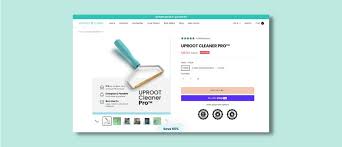
Once you’ve found a competitor, dive deep into their product pages. This is where the magic happens. What are they selling?
Look at the product titles. Are they catchy? Do they use keywords people search for?
Next, check the product descriptions. Are they detailed? Do they explain the benefits clearly?
Or are they just a few bland sentences? Good descriptions sell the product. They answer questions a buyer might have.
Pay close attention to the product images and videos. Are they high quality? Do they show the product from different angles?
Do they show the product in use? Good visuals are crucial for online sales. If their images are blurry or few, that’s an opportunity for you.
You can use better photos to make your product look more appealing. Videos can be especially powerful for showing how a product works.
Look at the pricing. How much do they charge for the product? Is it the same as what you sell it for?
Is it cheaper? Is it more expensive? Why might that be?
Maybe they offer free shipping. Or maybe they have a bundle deal. Also, check for any discounts or sales they are running.
This helps you understand the market price. It helps you decide your own pricing strategy.
What about reviews? Do they have customer reviews on their product pages? How many?
What do people say? Are they mostly positive or negative? Read through them.
What do customers like? What do they dislike? These reviews are pure gold.
They tell you what customers really care about. You can use this feedback to improve your own product offerings or customer service. A competitor’s bad reviews are your chance to shine.
Product Page Deep Dive
Product Titles: Check for clarity and keywords.
Descriptions: Are they engaging and informative?
Images/Videos: High quality and showing the product well?
Pricing: Compare their price, offers, and shipping.
Customer Reviews: What are people saying? What are the pros and cons?
Deconstructing Their Pricing and Offers
Pricing is a tricky game in dropshipping. You need to be competitive but also profitable. Looking at your competitors’ pricing is essential.
Do they offer free shipping? If so, is it on all orders or only orders over a certain amount? Free shipping is a huge draw for customers.
If they offer it, you might need to consider how you can do the same. This might mean slightly increasing your product price to cover the shipping cost.
Are there any discounts or coupon codes visible? Some stores offer a discount for signing up for their newsletter. Others have seasonal sales.
Keep an eye out for these. They show how competitors attract new customers or encourage repeat business. You can learn from their strategies.
You might try offering a similar welcome discount to new subscribers.
Consider their pricing structure. Do they have tiered pricing for bulk orders? Do they offer bundles?
For example, if they sell a phone case, do they also offer a bundle with a screen protector? Bundles can increase the average order value. They also offer customers a perceived value.
Seeing these offers can spark ideas for your own store. You could create a “starter kit” bundle.
Think about their return policy. Is it clear and easy to find? A good return policy builds trust.
If their policy is more generous than yours, it might be something to reconsider. Customers like to know they can return items if they aren’t happy. A competitive return policy can be a selling point.
It shows you stand behind your products.
Pricing Tactics to Watch
Free Shipping Threshold: What amount do they set for free delivery?
Discount Codes: Are there ongoing sales or first-time buyer codes?
Bundle Deals: Do they offer products together for a better price?
Loyalty Programs: Do they reward repeat customers?
Return Policy: How easy and generous is it for customers?
Investigating Their Marketing and Advertising
This is where you see how competitors reach their audience. Social media ads are a big one. Many dropshipping stores rely heavily on platforms like Facebook, Instagram, and TikTok.
Look for their ads. Do you see them when you’re scrolling? What do the ads look like?
Are they images or videos? What is the message in the ad copy? What is the call to action?
Tools like the Facebook Ad Library are amazing for this. You can search for any brand or page and see all the ads they are currently running. This gives you a direct look at their advertising strategy.
You can see what types of products they are promoting. You can see what kind of visuals and copy they use. This is invaluable information.
It shows you what they think will work to get clicks and sales.
What about their organic social media presence? Are they posting regularly? What kind of content do they share?
Is it product-focused, lifestyle content, or something else? Are they engaging with their followers? High engagement on social media means they have an active community.
This community can be very valuable. You can learn what kind of posts resonate with people interested in your niche.
Are they using influencers? You might see a competitor’s product being featured by an influencer on Instagram or TikTok. This shows they are investing in influencer marketing.
You can see which influencers they work with. This can give you ideas for your own influencer outreach if that’s a path you want to explore. It’s about seeing who has influence in your market.
Don’t forget email marketing. Do they have a sign-up form on their website? If you sign up, you’ll start receiving their emails.
This is a direct way to see their email marketing strategy. What do their newsletters look like? How often do they send them?
What do they talk about in their emails? Are they promoting sales, new products, or sharing helpful content?
Marketing Channels to Monitor
Paid Ads: Use tools like Facebook Ad Library.
Social Media Posts: What’s their content strategy and engagement?
Influencer Collaborations: Who are they partnering with?
Email Newsletters: Sign up to see their communication.
Content Marketing: Do they have a blog? What topics do they cover?
Reading Customer Reviews and Feedback
Customer reviews are like a secret window into a competitor’s business. They reveal what customers love and what they can’t stand. When you look at competitor reviews, don’t just scan them.
Read them carefully. What words do customers use to describe the product or service? Are they saying “amazing quality” or “fell apart quickly”?
This tells you a lot about product satisfaction.
Look for patterns in the reviews. Are multiple customers complaining about the same issue? Maybe shipping is slow, or the product isn’t as described.
If you see these recurring problems, it’s a red flag for that competitor. More importantly, it’s an opportunity for you. You can aim to do better in those specific areas.
You can highlight your faster shipping or more accurate descriptions.
Positive reviews are just as important. What are customers praising? Maybe it’s the product’s durability, its ease of use, or the excellent customer support.
These are the things that make people happy. Try to incorporate these positive aspects into your own product descriptions and marketing. If customers love how easy a product is to assemble, mention that in your own copy.
Consider the tone of the reviews. Are they enthusiastic? Or are they grudgingly positive?
The overall sentiment matters. Sometimes, a few negative reviews can be drowned out by many positive ones. But if the negative feedback is strong and consistent, it’s a sign of trouble for that business.
You can learn from their failures to avoid making similar mistakes.
Don’t forget to look at reviews on different platforms if possible. A competitor might have reviews on their own site, but also on marketplaces like Amazon or Trustpilot. Checking multiple sources gives you a more complete picture.
You can also see how the competitor responds to reviews, especially the negative ones. Do they offer solutions? This shows their customer service approach.
Review Analysis Checklist
Common Complaints: Identify recurring issues.
Praise Points: Note what customers love most.
Sentiment Analysis: Is the overall feedback positive or negative?
Product Comparisons: Do customers compare the product to others?
Customer Service Mentions: Is support praised or criticized?
My Own Experience: The “Aha!” Moment
I remember when I first started my dropshipping store. I was so focused on my own little world. I thought I had to figure everything out on my own.
I spent days writing product descriptions. I agonized over my website design. Then, I stumbled upon a competitor’s site for a similar product.
It was like a lightbulb went off.
Their product pages were so much better than mine. They had amazing photos that really showed the product in action. Their descriptions were fun to read.
They also had a really clear “how-to” video. My own product descriptions were a bit boring. My photos were okay, but not great.
And I had no video at all.
What really hit me was their pricing. They offered free shipping on orders over $50. I was charging a flat fee for shipping.
I realized my customers might be adding items to their cart just to get free shipping from them. It was a simple change, but it made a huge difference in how I thought about my own store. I immediately went back and improved my photos and descriptions.
I also adjusted my shipping policy to match theirs, offering free shipping over a certain amount.
It wasn’t about copying them exactly. It was about seeing what was working so well for them and thinking, “How can I do that, but make it even better for my customers?” That one afternoon spent looking at a competitor’s site gave me more actionable ideas than weeks of staring at my own blank screen. It showed me that learning from others is a massive shortcut to success in dropshipping.
Using Tools to Uncover Competitor Secrets
While manual research is great, there are also tools that can speed things up and give you deeper insights. These tools can track competitor sales, ad spend, and traffic. For instance, tools like SEMrush or Ahrefs can show you what keywords your competitors are ranking for.
This can give you ideas for your own SEO strategy. You can see what search terms people are using to find them.
Similar to the Facebook Ad Library, there are other tools that help you find competitor ads. SpyFu is one example. It shows you competitor ad copy and keywords they are bidding on.
This can help you understand their paid advertising strategy. You can learn what messaging is working for them in their ads. It’s like getting a peek at their advertising playbook.
There are also tools focused on e-commerce specifically. Apps like Ecomhunt or Thieve.co highlight trending products that are doing well for other dropshippers. While not strictly competitor analysis, they show you what’s popular in the dropshipping world.
If you see a product trending, you can then search for competitors selling that specific item.
For website analysis, tools like SimilarWeb can give you an overview of a competitor’s website traffic. You can see where their traffic is coming from (e.g., social media, search engines, direct). You can also see which pages are most popular.
This helps you understand what draws visitors to their site. It’s a broad view of their online presence.
Remember, these tools are guides. They provide data, but you still need to interpret it. Use them to confirm your suspicions or uncover new angles.
The goal is to gain knowledge, not just collect metrics. Combine tool insights with your own observations for the best results.
Helpful Competitor Analysis Tools
Facebook Ad Library: See competitor Facebook and Instagram ads.
SEMrush / Ahrefs: Analyze competitor SEO and keywords.
SpyFu: Discover competitor paid search strategies.
SimilarWeb: Get an overview of competitor website traffic sources.
Ecomhunt / Thieve.co: Find trending products in the dropshipping space.
What This Means for Your Dropshipping Business
Understanding your competitors is not about playing a zero-sum game. It’s about learning and adapting. When you see a competitor doing something well, it’s a sign that it works.
It validates certain strategies. This can give you confidence to try similar approaches in your own store. For example, if many successful stores in your niche are using TikTok ads, it’s a strong signal that TikTok could be a good platform for you too.
Conversely, if you see competitors struggling with certain aspects, like poor customer service or slow shipping, that’s valuable information. It highlights areas where you can differentiate yourself. You can build your brand around excellent service and reliable delivery.
This is how you create a competitive advantage. It’s not just about price; it’s about the whole customer experience.
This process helps you avoid common pitfalls. You can learn from the mistakes of others without having to make them yourself. Maybe you see a competitor getting a lot of negative reviews because their product quality is low.
You can then focus on sourcing higher-quality products or being very transparent about what customers can expect. This builds trust and reduces returns.
It also helps you find untapped opportunities. Perhaps a competitor is only focusing on one platform, like Instagram. You might see that there’s a significant audience on Pinterest that they are missing.
You could then target that audience. This gives you a unique edge. It’s about finding gaps in the market that you can fill.
Ultimately, this research makes your business strategy more robust. You’re not operating in a vacuum. You have a clearer picture of the market.
This allows you to make smarter decisions about product selection, marketing, pricing, and customer service. It’s about being informed and proactive rather than reactive.
When to Worry (and When Not To)
It’s easy to get overwhelmed by competition. But not all competition is a reason to panic. You should worry if you see a competitor consistently outperforming you across the board.
If they have much better products, significantly lower prices, and a massive customer base that you can’t even touch, it’s time for a serious look. This might mean their business model is fundamentally different or more advanced.
Also, be concerned if a competitor has a marketing budget that is vastly larger than yours. If they are flooding every platform with ads and you can’t even get noticed, it can be tough. It doesn’t mean you should give up, but it does mean you need to be very strategic and find niche areas they might be ignoring.
Look for smaller, more targeted audiences.
However, most of the time, seeing competitors is a good sign. It means there’s a market for the products you’re interested in selling. If no one was selling something, it might mean there’s no demand.
The existence of competitors validates the demand. Your goal is not to eliminate them, but to find your own slice of the pie. You want to serve a specific group of customers better than they do.
Don’t get discouraged by small differences. If a competitor has 100 more reviews than you, that’s fine. It takes time to build a customer base.
Focus on providing excellent service to the customers you do get. Word-of-mouth and positive reviews will grow. The key is consistent effort and a willingness to learn and improve.
Think of it this way: If you’re in a busy shopping mall, you don’t see the other stores as threats. You see them as part of why people come to the mall. You just need to make your store the best place to be for your target customers.
That’s the mindset to adopt.
Quick Tips for Smarter Competitor Monitoring
Keep your competitor research focused. Don’t try to track everyone. Choose 2-3 main competitors who are most similar to your business goals.
Regularly check their websites and social media. Set up Google Alerts for their brand names. This way, you’ll get notified if they are mentioned online.
Use a spreadsheet to track your findings. Note down their product range, pricing, marketing channels, and key customer feedback. This helps you stay organized and see trends over time.
Regularly review this spreadsheet. See what has changed and what remains the same.
Don’t just look at what they are doing now. Try to predict what they might do next. If they are heavily promoting a new product, it might be worth investigating that product category.
Think ahead about market shifts and how your competitors might respond.
Always aim to be better, not just the same. If you see a competitor offering good customer service, aim for exceptional customer service. If they have good product photos, aim for stunning product photos.
Push yourself to excel in areas where others are merely adequate. This is how you truly stand out.
Frequently Asked Questions About Competitor Spying
Is it ethical to “spy” on competitors?
Yes, it is ethical and smart business practice to analyze your competitors. “Spying” in this context means publicly available research, not hacking or illegal activities. Looking at their website, social media, and ads is perfectly acceptable.
It’s about understanding the market.
How often should I check my competitors?
It’s good to do a deep dive into your main competitors at least once a month. You can also set up quick checks, like checking their social media feeds weekly. Google Alerts can keep you updated on mentions.
Regularity is key, but don’t let it consume all your time.
What if a competitor has a much bigger budget than me?
If a competitor has a much larger budget, focus on areas where you can compete without spending a lot of money. This includes excellent customer service, unique content, building a strong community, and niche marketing. They might be broad; you can be deep and specialized.
Can I use competitor product names in my own ads?
No, you should not use competitor brand names in your ads. This can be seen as trademark infringement and is unethical. Focus on describing your own product and its benefits clearly.
You can mention product types or categories that are similar, but not specific brand names.
What are the best tools for finding dropshipping competitors?
Good starting points include Google searches using your product keywords, exploring social media platforms (Instagram, TikTok, Facebook) for ads and popular pages, and checking supplier sites like AliExpress. For more advanced analysis, tools like Facebook Ad Library, SEMrush, and SimilarWeb are very useful.
How do I use competitor insights to improve my own store?
Use competitor insights to identify what’s working well in your niche. For example, if they have great product descriptions, improve yours. If they offer free shipping over a certain amount, consider that for your pricing.
If they get good reviews for a specific feature, highlight that feature in your own marketing. Learn from their successes and failures.
Putting It All Together for Success
Learning from your competition is a vital part of building a strong dropshipping business. It’s not about playing games or being sneaky. It’s about being smart, informed, and adaptable.
By looking at what others are doing well, you can find inspiration and validation for your own strategies. You can also spot potential pitfalls to avoid.
Remember to focus on what makes your business unique. Use the insights you gain to improve your products, pricing, marketing, and customer experience. Strive to offer something better or different.
This continuous learning and adaptation is what separates thriving businesses from those that struggle. Keep watching, keep learning, and keep growing.