
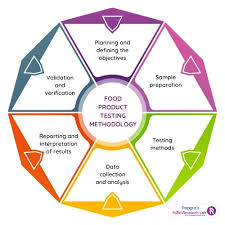

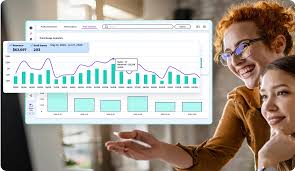
Testing a dropshipping product involves checking if there’s real customer interest and if it can be sold for a profit. This means looking at market demand, competition, and potential costs before committing fully. Effective testing saves time and money.
What is Dropshipping Product Testing?
Dropshipping product testing is all about finding out if a product is worth selling. It’s a step before you launch a full store or marketing campaign. You’re doing smart checks.
You want to see if customers want it. You also want to know if you can make money selling it. Think of it like a test drive.
You wouldn’t buy a car without driving it first, right? This is the same idea for products.
Why is this so important? Because the dropshipping world is big. There are tons of products out there.
Not all of them are good sellers. Some might have too much competition. Others might not have many buyers.
Some might even be hard to ship. Testing helps you cut through the noise. It lets you focus your energy.
You can put your money into products that have a good chance of success.
The main goal is to reduce risk. Dropshipping lets you start with low costs. You don’t buy stock upfront.
But you can still lose money. You lose it on ads. You lose it on your time.
You lose it if you pick a product that flops. Smart testing prevents this. It gives you data.
This data helps you make better choices. You can learn if a product has potential before you spend a lot. This is key for making money.
My First Big Mistake: No Product Testing
I remember when I first started dropshipping. I was so excited. I found a product online that looked cool.
It was a unique kitchen gadget. I saw a few ads for similar things. I thought, “This is it!
This will sell!” I didn’t do any real research. I just jumped in. I spent money on ads.
I waited. And waited. Nothing much happened.
A few sales trickled in. But not enough to cover my ad costs. I felt so defeated.
The gadget was neat, but nobody really wanted it. Or maybe the ads just weren’t right. I didn’t know.
That was the problem. I hadn’t tested it properly.
I was so focused on finding a product that I forgot to find the right product. I learned a hard lesson that day. You can’t just guess.
You need proof. You need to see if other people are already buying something like it. You need to see if there’s a real problem it solves.
Or a real desire it fulfills. That kitchen gadget just wasn’t solving a big enough problem for enough people. It was a “nice-to-have,” not a “must-have.” Now, I always test.
It saves so much heartache and money. It’s the most crucial step.
Understanding Demand: Is Anyone Looking?
So, how do you know if people are actually looking for what you want to sell? This is where we dive into understanding customer demand. You don’t want to be the only person selling something.
You want others to be looking for it too. This makes your job much easier. It means there’s a market out there.
We look for hints. These hints tell us if a product is wanted. We check search engine trends.
We look at social media. We see what people are talking about. We also see what problems they have.
If your product solves a problem, that’s a big plus. If it makes something easier or better, that’s also good. We want to find products that have buzz.
Or products that solve a clear need. This is the first layer of testing.
Spotting Demand: Quick Checks
Search Volume: Are people typing this product’s name into Google?
Social Media Buzz: Is it being talked about on TikTok, Instagram, or Facebook?
Problem Solved: Does it fix a common annoyance for people?
Trend Data: Is interest in this product growing over time?
Think about it this way. If you want to sell winter coats, you’d check demand in the fall and winter. You wouldn’t check in July.
You need to align your product with what people need or want right now. Demand isn’t just about whether people can buy it. It’s about whether they want to buy it.
And if they’re looking for it.
Checking the Competition: Are You Alone?
After checking demand, we look at competition. This is super important for dropshipping success. If a product has huge demand, that’s great.
But if a million other stores are selling the exact same thing, it gets tough. You’ll have a hard time standing out. Your prices might need to be very low.
This eats into your profits.
We don’t want to avoid competition entirely. Some competition can be good. It shows that people buy the product.
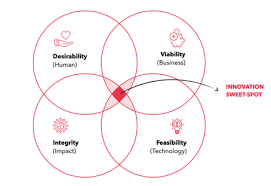
It means the market is proven. But we want to find a sweet spot. We want a product with demand but not too many sellers.
Or we want a product where we can offer something different. Maybe better customer service. Or a unique angle in our marketing.
Or a slightly different version of the product.
How do we check this? We do some simple searches. We look on big marketplaces like Amazon and eBay.
We check out other dropshipping stores. We use tools that show us what ads competitors are running. If you see tons of ads for the same product, that’s a sign.
It means others are trying to sell it. It also means they might be making money. But it also means you’ll have to fight for attention.
This is a crucial part of testing. It tells you how hard you’ll have to work.
Competition Analysis: Key Questions
Who else is selling this? Look at major retailers and other dropshippers.
How are they selling it? What are their prices? What’s their marketing like?
Are there many sellers? A few is okay, but a flood is risky.
Can I compete? Do I have a unique selling point or a different approach?
Sometimes, you might find a product with lower demand but very little competition. This can be a good thing! It might be easier to become the go-to seller.
It’s all about balance. Finding that sweet spot is key. This is part of smart product research.
Profitability Potential: Will It Make Money?
Even if people want a product and there isn’t a million sellers, it still needs to make you money. This is the profitability check. We need to see if the selling price is much higher than the cost price.
This difference is your potential profit. For dropshipping, this is vital.
You buy the product from a supplier. You sell it to a customer. There are costs in between.
These include the product cost, shipping fees, and ad spend. Your selling price needs to be high enough to cover all of this. And leave you with a good profit margin.
A common rule of thumb is to aim for a profit margin of at least 20-30%. Some products can do much better.
How do we check this? We find potential suppliers. Sites like AliExpress are common for this.
We look at the product cost there. We estimate shipping costs. Then, we look at what similar products sell for online.
We do this on Amazon, eBay, and other stores. We compare the selling price to the total cost. We need a healthy gap.
If the profit is too small, it’s not worth the effort.
For example, if a product costs $10 to buy and ship, you can’t sell it for $12. That’s only a $2 profit. After ads, you’d lose money.
You’d probably need to sell it for $20-$25 to make a decent profit. This calculation is simple but powerful. It helps you weed out products that look interesting but won’t pay the bills.
It’s a numbers game, and the numbers need to make sense.
Profitability Check: The Numbers Game
Product Cost: What does the supplier charge?
Shipping Cost: How much does it cost to get it to the customer?
Estimated Ad Cost: How much might you spend to make a sale?
Target Selling Price: What can similar items sell for?
Profit Margin: Is the selling price much higher than your total costs?
Always be realistic. Don’t just look at the supplier’s price. Factor in everything.
This includes potential returns or issues. It’s better to have a slightly lower profit potential but a very reliable product. Or a very high profit potential and a riskier product.
You need to decide your comfort level. But always know the numbers.
Finding Potential Products: Where to Look
Now, where do you actually find these products to test? There are many places. Some are more obvious than others.
It’s a mix of looking for trends and looking for problems people need solved.
Online Marketplaces: Sites like Amazon and eBay are goldmines. Look at their “Best Sellers” or “Movers & Shakers” lists. What’s popular?
What’s selling well? Read customer reviews. What do people love?
What are they complaining about? Complaints can point to products that need improvement, or unmet needs.
Social Media: TikTok, Instagram, and Facebook are huge for product discovery. Look for ads. What products are being pushed?
What videos are going viral? Often, these products are great candidates for testing. You can also search for hashtags related to niches you’re interested in.
Google Trends: This tool shows you what people are searching for. You can see if interest in a topic or product is growing. It helps you spot emerging trends before they become oversaturated.
Niche Blogs & Forums: If you’re interested in a specific area, like pet supplies or gardening, find blogs and forums related to it. See what products people are discussing. What are their favorite items?
What problems do they face?
Competitor Analysis Tools: Tools like AdSpy or SEMrush can show you what ads competitors are running. This can give you ideas for products that are already being marketed successfully.
Your Own Observations: Think about your daily life. What annoys you? What could be easier?
What do you wish existed? Often, the best ideas come from personal experience. If you have a problem, chances are many others do too.
Product Hunting Grounds
Retailers: Amazon, Walmart, Target
Marketplaces: Etsy, eBay
Social Media: TikTok, Instagram, Facebook, Pinterest
Trend Tools: Google Trends
Niche Communities: Reddit, specific forums
Advertising Intelligence: AdSpy, Facebook Ad Library
The key is to cast a wide net at first. Don’t limit yourself. Collect a list of potential products.
Then, you can start applying the testing methods to narrow it down.
Testing Demand with Free Tools
Before spending any money on ads, we can use free tools to get a feel for demand. These tools give us data that helps us make educated guesses. They tell us if people are searching for our product idea.
Google Keyword Planner: This is a powerful tool, even for free users. You can search for keywords related to your product. It will show you the average monthly search volume.
You can see if people are actively looking for terms like “portable blender” or “ergonomic mouse pad.” High search volume is a good sign. It means there’s interest.
Google Trends: As mentioned before, Google Trends is excellent. You can see if a product’s popularity is rising, falling, or stable. You can compare different products.
For example, is “smart water bottle” trending more than “reusable coffee cup”? It helps you understand the market direction. You want to catch products on the way up.
Social Media Search: Simply searching on platforms like TikTok or Instagram can be telling. Use relevant hashtags. Look at the number of posts.
See if there’s recent activity. Are people sharing it? Are there influencers talking about it?
This is a more qualitative check but very useful.
Amazon Best Sellers: Browse the Amazon best-seller lists in your niche. See what products consistently rank high. This is a strong indicator of demand on a massive platform.
Look at the number of reviews too. Products with thousands of reviews are clearly selling well.
Free Demand Indicators
Keyword Planner: Search volume data.
Google Trends: Popularity over time, trend direction.
Social Media Search: Hashtag usage, viral content.
Amazon Best Sellers: Top selling products and review counts.
Reddit / Quora: Discussions and questions related to the product.
These free methods give you a good starting point. They help you filter out products that likely have no demand. You can then move on to more in-depth testing with these promising candidates.
Testing with Paid Ads: The Real Test
Once you’ve found a product that shows promise with free tools, it’s time for the real test: running paid ads. This is where you put a small amount of money on the line. You want to see if real people will click your ads and buy your product.
This is the most accurate way to test a dropshipping product idea.
Platforms like Facebook, Instagram, and TikTok are great for this. You can set up simple ad campaigns. You target people who are likely to be interested in your product.
You create a few ads. These ads will show potential customers your product. They’ll include a link to a landing page.
This page should be simple. It just needs to showcase the product and have a buy button.
What are you looking for in these ad campaigns? You’re watching a few key things:
Click-Through Rate (CTR): This is the percentage of people who see your ad and click on it. A higher CTR means your ad is attractive. It means people are interested in what you’re showing them.
A CTR below 1% on Facebook can sometimes indicate a problem.
Cost Per Click (CPC): How much are you paying for each click? If it’s too high, your profit margins will suffer.
Add to Cart Rate: If people are adding the product to their cart, that’s a great sign! It means they’re close to buying. It shows strong intent.
Conversion Rate: This is the ultimate test. It’s the percentage of people who click your ad and actually buy the product. If you’re getting sales without spending too much money on ads, you likely have a winner.
You don’t need to run massive ad campaigns. Start small. Spend $5-$10 per day per ad set.
Run it for a few days. See what the data tells you. If you’re getting clicks but no sales, maybe your landing page needs work.
Or maybe the price is too high. If you’re not getting clicks, your ad creative or targeting might be off.
Paid Ad Testing Metrics
Click-Through Rate (CTR): How many people click your ad?
Cost Per Click (CPC): How much does each click cost?
Add to Cart Rate: How many people add it to their cart?
Conversion Rate: How many people actually buy?
Cost Per Acquisition (CPA): How much do you spend to get one sale?
This paid testing phase is critical. It gives you real-world data. It tells you if your product can actually sell and make money.
It’s the final step before scaling up your efforts. If it passes this test, you’re on the right track. If not, you go back and find a new product to test.
Assessing Supplier Reliability
Once you’ve found a product that shows promise, you need to think about your supplier. This is a huge part of your dropshipping business model. An unreliable supplier can ruin even the best product.
They can cause shipping delays, send wrong items, or have poor quality control. This leads to unhappy customers and bad reviews.
How do you assess supplier reliability? It’s a bit more involved than just picking the cheapest one.
Check Reviews and Ratings: Most supplier platforms (like AliExpress) have reviews and ratings for sellers. Look for sellers with a high rating and a good number of positive reviews. Read the reviews to see what other buyers say about shipping times, product quality, and customer service.
Order a Sample: This is a crucial step that many beginners skip. Before you sell a product to your customers, order one for yourself. Use the supplier you plan to use.
This lets you see the product quality firsthand. You can check the packaging. You can time how long shipping actually takes.
This is invaluable information.
Communicate with the Supplier: Reach out to them with questions. How quickly do they respond? Are they helpful and clear?
Good communication is a sign of a reliable business.
Check Shipping Times and Costs: Understand their shipping policies. Do they offer ePacket or other faster shipping options? Are their shipping costs reasonable?
Be transparent with your customers about shipping times.
Return Policy: What is their policy on returns or damaged goods? Make sure you understand this so you can set up your own fair return policy for customers.
Supplier Vetting Checklist
Platform Rating: High score and positive feedback?
Review Content: Comments on quality, shipping, service?
Sample Order: Quality, packaging, delivery time accurate?
Communication: Responsive and helpful?
Shipping Options: Fast and affordable methods available?
Return Policy: Clear and fair terms?
Finding a good supplier can take time. But it’s worth it. A reliable supplier is a partner.
They help you build a trustworthy business. They ensure your customers have a good experience. This leads to repeat business and positive word-of-mouth.
It’s an investment in your long-term success.
Testing Landing Pages and Ad Creatives
Once you have a product that seems to sell, you also need to test how you’re selling it. This means your landing page and your ad creatives (images or videos). These are what customers see first.
They need to be compelling.
Landing Page Testing: Your landing page is where people arrive after clicking your ad. It needs to be clear, persuasive, and easy to use. What should you test?
- Headline: Is it clear what the product is and what benefit it offers?
- Product Description: Does it highlight the key features and benefits?
- Images/Videos: Are they high-quality and appealing?
- Call to Action (CTA): Is the “Buy Now” or “Add to Cart” button clear and easy to find?
- Trust Signals: Do you have reviews, testimonials, or security badges?
- Mobile Responsiveness: Does it look good and work well on a phone?
You can use A/B testing tools to show different versions of your landing page to different people. You see which one gets more sales.
Ad Creative Testing: Your ad is the first impression. What works for one product might not work for another. Test different things:
- Images vs. Videos: Which performs better?
- Different Angles: Show the product in use, show close-ups, show different colors.
- Text Overlays: Do words on the image help or hurt?
- Copywriting: Test different headlines and descriptions. Focus on benefits, not just features.
- Target Audiences: Even within Facebook, test different interest groups.
Landing Page & Ad Testing
Landing Page Elements: Headline clarity, description persuasiveness, CTA visibility, mobile-friendliness, trust signals.
Ad Creative Elements: Image vs. video, different product angles, benefit-focused copy, audience targeting.
A/B Testing: Comparing two versions to see which performs better.
Key Metrics: Conversion rate, CTR, Add to Cart rate.
This iterative process of testing and refining is key. It’s how you turn a promising product into a profitable one. You’re constantly learning what resonates with your target audience.
You’re making small improvements that lead to bigger results. Don’t be afraid to experiment. That’s how you find what truly works.
What If My Product Fails the Test?
It’s okay if your first product doesn’t pass the test. In fact, it’s very common. Most dropshippers go through several products before finding a winner.
This is not a sign of failure. It’s a sign you’re learning and improving your process.
When a product fails, don’t get discouraged. Instead, analyze why it failed. Go back to your data.
Look at your ad results. Look at your landing page performance. Was it the product itself?
Was demand too low? Was the competition too fierce? Or was it something you did?
Was your ad targeting off? Was your landing page not convincing? Was the price too high?
Sometimes, a product might have potential, but the way you presented it was wrong. Maybe you need better ad photos. Or a clearer description.
Or a different target audience. You might need to tweak your pricing strategy.
If the product itself seems to be the issue, then it’s time to move on. There are millions of products out there. You haven’t lost much time or money if you tested small.
The valuable thing you gained is experience. You learned how to test. You learned what to look for.
You learned what not to do.
When a Product Fails: Your Next Steps
Analyze the Data: What specifically didn’t work?
Identify the Cause: Product issue, marketing issue, or pricing issue?
Learn from It: What did you discover for future tests?
Iterate or Pivot: Can you improve this product’s approach, or is it time for a new one?
Don’t Give Up: Every failed test is a step closer to success.
The key is to be systematic. Treat each product as an experiment. Gather data.
Learn from it. Then, apply those lessons to the next product. This disciplined approach is what separates successful dropshippers from those who quit.
You’re building a skill. That skill will help you find winning products again and again.
Real-World Scenario: Testing a “Pet Grooming Glove”
Let’s walk through a scenario. Imagine I find a “pet grooming glove” on a supplier site. It looks interesting.
It claims to remove loose fur easily and massage pets. My dog sheds a lot, so it resonates personally.
Step 1: Initial Research (Free Tools)
I check Google Keyword Planner for terms like “pet grooming glove,” “dog deshedding glove,” and “cat grooming brush.” I see decent search volume for these terms. Google Trends shows a steady interest in pet grooming tools, with a slight uptick in recent months.
On TikTok, I search #petgrooming and #doglover. I see many videos of people using similar gloves on their pets. The pets seem to enjoy it, and the amount of fur removed is impressive.
This indicates visual appeal and a “wow” factor for ads.
Step 2: Competition Check
I search Amazon for “pet grooming glove.” I see many options. Some have thousands of reviews. This means competition exists, but the demand is clearly there.
I notice some have slightly different designs. Some have extra nubs, others have different materials. This gives me an idea: maybe I can differentiate by focusing on a specific benefit or material.
Step 3: Profitability Check
The supplier offers the glove for $5. Estimated shipping is $3. Total cost to me is $8.
I look at similar gloves on Amazon selling for $15-$20. This suggests a potential profit of $7-$12 per sale before ad costs. That’s a healthy margin.
If I can acquire a customer for under $5-$7 in ad spend, it could work.
Step 4: Paid Ad Test (Small Budget)
I create a simple Shopify store page for the glove. I use a clean design and good photos. I make a short TikTok-style video showing the glove in action – showing the fur coming off and the pet looking happy.
I set up a Facebook ad campaign targeting dog and cat owners who have shown interest in pet products. I run it with a $50 budget for 3 days.
Results of the Test:
- Clicks: I get 150 clicks.
- CTR: About 2%. This is decent.
- Add to Carts: 10 people add the glove to their cart. This is a good sign of interest.
- Sales: 2 people actually buy the glove.
Analysis:
With a $50 ad spend and 2 sales, my Cost Per Acquisition (CPA) is $25. My profit per sale is around $8-$10 (after estimated ad cost). This means I’m losing money on these initial sales ($25 CPA vs.
$8-$10 profit). However, the Add to Cart rate is high (10 out of 150 clicks, or about 6.7%). This suggests the product itself is appealing, but perhaps my targeting needs refinement, my ad creative could be better, or my landing page needs stronger persuasion to overcome the price difference.
Decision:
Instead of giving up, I decide to refine. I’ll try a new ad video focusing more on the “problem solved” aspect (less fur around the house). I’ll also adjust my targeting slightly.
I might also test a slightly higher price point if I can justify it with better copy or visuals. This isn’t a failure; it’s data to improve.
When to Scale Up Your Product
You’ve tested, you’ve analyzed, and you’ve made adjustments. Now, your product is showing real promise. Sales are coming in, and your Cost Per Acquisition (CPA) is at a level where you’re making a profit.
This is the point where you start thinking about scaling.
What does scaling mean? It means increasing your ad spend. You’re showing your ads to more people.
You’re trying to capture more of the market. If you were spending $10 a day and getting profitable sales, you might move to $20, then $50, then $100 a day. You want to grow your sales volume steadily.
Here are signs that indicate it’s time to scale:
- Consistent Profitability: You’re making a good profit at your current ad spend level.
- Low and Stable CPA: Your cost to acquire a customer isn’t creeping up too fast as you increase spend.
- Good Engagement Metrics: Your ads continue to get good CTR, and your landing page maintains a decent conversion rate.
- Increasing Order Volume: You’re seeing more and more orders coming in daily.
- Customer Feedback is Positive: Customers are happy with the product and delivery.
When you scale, do it gradually. Don’t jump from $20 to $1000 overnight. Slowly increase your budget.
Watch your metrics closely. If your CPA starts to rise significantly, scale back a bit. You might need to refresh your ad creatives periodically to avoid ad fatigue.
People get tired of seeing the same ad over and over.
Scaling Your Dropshipping Product
Profitability is Key: Ensure you’re making money.
Gradual Budget Increase: Slowly raise your ad spend.
Monitor Metrics: Keep a close eye on CPA, CTR, and conversion rates.
Refresh Creatives: Avoid ad fatigue by updating visuals and copy.
Expand Audiences: Test new, similar target audiences.
Scaling is exciting. It means you’ve found something that works. It’s the phase where your dropshipping business starts to grow significantly.
But remember, even when scaling, continuous monitoring and testing are essential. The market changes, and you need to adapt.
Frequently Asked Questions About Testing Dropshipping Products
How much money should I budget for testing a dropshipping product?
You can start testing with a small budget, sometimes as little as $50 to $100. This allows you to run initial ad campaigns on platforms like Facebook or TikTok to gauge interest. For more robust testing, especially when looking at conversion rates, you might spend a few hundred dollars per product.
The goal is to spend enough to get meaningful data without breaking the bank.
What is the most important metric to watch when testing a product?
The most important metric is often the conversion rate, which shows how many people who visit your product page actually make a purchase. However, you also need to consider the Cost Per Acquisition (CPA) to ensure you’re making a profit. A good conversion rate with an acceptable CPA indicates success.
Can I test a product without running paid ads?
Yes, you can do initial research using free tools like Google Keyword Planner and Google Trends, and by browsing social media and marketplaces. You can also set up a basic landing page and get feedback from friends or family. However, paid ads provide the most reliable real-world data because they involve actual potential customers making buying decisions.
How long does it typically take to test a dropshipping product?
Testing can vary. Initial research might take a few hours. Running a small paid ad campaign might take 3-7 days to gather enough data.
If adjustments are needed, it could take longer. Some products might show clear results quickly, while others require more iteration. Be patient, but also be efficient.
Should I test multiple products at once or focus on one at a time?
It’s generally best to focus on testing one product thoroughly before moving to the next. This allows you to dedicate your resources and attention to getting actionable data for a single product. However, if you have a very small budget, you might run very basic initial research on a few products simultaneously to identify the most promising candidates for deeper testing.
What if a product is trending on TikTok, but my ads aren’t converting?
TikTok trends can be a good starting point, but ads don’t always convert directly. Consider your ad creative and landing page. Is the video engaging enough?
Does it clearly show the product’s benefits? Is your landing page trustworthy and easy to navigate? Also, check if your target audience on Facebook or Instagram is the same as the TikTok audience.
Final Thoughts on Product Testing
Finding winning products is the heart of dropshipping. Testing is your compass. It guides you away from costly mistakes.
It points you toward opportunities. Remember to start with demand. Check competition.
Analyze profit. Use free tools first. Then, use small ad budgets for real-world validation.
Always order samples. And never be afraid to learn from failures. Each test refines your skills.
This makes your next product choice even better. Happy testing!