

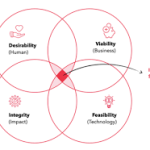





A product is winning when it solves a real need well, delights users consistently, and builds a loyal following. It often shows strong sales, positive reviews, and a lasting presence in its category. It’s the product that people trust and keep coming back to.
Understanding What Makes a Product Shine
Think about the products you use every single day. Maybe it’s your trusty coffee maker, the app on your phone you can’t live without, or a particular brand of socks you always buy. These aren’t just items; they’re part of our routine because they work. They make our lives a little easier or more enjoyable. That’s the core of a winning product.
A winning product doesn’t just appear out of nowhere. It usually starts with a deep understanding of a problem or a desire. Then, it offers a solution that’s better, simpler, or more effective than what was available before. This isn’t always about fancy technology. Sometimes, it’s just about doing something common, but doing it exceptionally well.
We’ll explore the signs that show a product is hitting its mark. We’ll look at what customers do and say, and what this means for the product’s future. Understanding these signs can help us make smarter choices as consumers and maybe even inspire our own ideas.
The Unmistakable Hum of Customer Love
One of the most powerful signs a product is winning is the sheer enthusiasm of its users. This isn’t just about people buying it. It’s about them talking about it. They tell their friends, share it on social media, and write glowing reviews. This organic buzz is gold.
When you see people actively recommending a product, it means it has gone beyond just meeting expectations. It has created a positive emotional connection. This connection is what turns a casual buyer into a loyal advocate. And these advocates are the best marketing a product could ask for.
Signs of Deep Customer Affection
- Word-of-Mouth Buzz: People naturally and frequently suggest the product to others.
- Positive Online Reviews: Consistent high ratings and detailed, happy testimonials.
- Social Media Mentions: Users share their experiences, photos, or use the product’s hashtags.
- User-Generated Content: Seeing people create their own content related to the product.
I remember when a certain brand of earbuds first became popular. It felt like everyone I knew was suddenly talking about them. They weren’t just saying “they’re good.” They were explaining why they were good. How they fit perfectly, how the battery lasted forever, and how the sound was amazing. This level of detail showed genuine delight.
This passion translates into what we call product stickiness. It means the product becomes so integrated into a person’s life that they struggle to imagine life without it. This stickiness is a powerful indicator that a product isn’t just selling; it’s winning hearts and minds.
The Silent Power of Repeat Business
Sales figures are important, of course. But the real mark of a winning product is not just one-time purchases. It’s customers coming back for more. This repeat business shows trust and satisfaction. It means the product delivers on its promise over time.
Think about your own buying habits. If you find a brand of coffee that you love, you’ll likely buy it again and again. You don’t want to risk trying something new and being disappointed. This loyalty is what winning products cultivate. They become a reliable choice.
Repeat Purchase Indicators
High Customer Retention: A large percentage of customers buy the product more than once.
Subscription Growth: For services or consumables, a growing number of recurring subscriptions.
Upselling/Cross-selling Success: Customers are willing to buy premium versions or related products.
I worked with a small online shop that sold handmade soaps. They had one specific scent that was a runaway hit. People would buy a bar, then come back a few weeks later for two or three more. They’d often buy them as gifts, too. This showed the soap wasn’t just a purchase; it was a reliable, delightful experience they wanted to share and repeat.
This consistent demand signals that the product’s value isn’t fleeting. It holds up over time. Users find ongoing benefit, which is a strong sign that the product has truly earned its place in the market. This is where customer lifetime value starts to climb significantly.
Solving Problems, Not Just Selling Stuff
At its heart, a winning product is one that effectively solves a problem or meets a genuine need. It’s not just about having features; it’s about the benefits those features provide. Does it save time? Does it reduce stress? Does it bring joy?
The most successful products often do this in a way that feels almost effortless. They simplify complex tasks. They make something difficult feel easy. This focus on genuine utility is a cornerstone of lasting success. People will always seek out things that make their lives better or simpler.
Problem-Solving Indicators
- Clear Value Proposition: The benefit to the user is immediately obvious.
- Reduced Friction: The product removes common pain points or steps.
- Efficiency Gains: Users save time or resources by using the product.
- Emotional Relief: The product alleviates anxiety or frustration.
I remember trying a new type of kitchen gadget that promised to chop onions without making my eyes water. For years, I’d endured the stinging and tears. This little gadget, though simple, was a revelation. It solved a small but annoying problem perfectly. It wasn’t a high-tech marvel, but it was a winner because it just worked and made a task less dreadful.
This ability to address a real user pain point is a powerful differentiator. When a product does this, it becomes indispensable. It’s not just a luxury; it’s a necessity. The market rewards products that provide true solutions. This is a key factor in achieving market validation.
The Evolution and Adaptation Factor
Winning products aren’t static. The world changes, user needs evolve, and competitors emerge. A truly winning product shows an ability to adapt and improve. It doesn’t rest on its laurels. It listens to feedback and gets better over time.
This ongoing development keeps the product relevant. It shows that the company behind it is committed. This commitment builds trust. Users feel good about investing in something that is constantly being refined to serve them better. This is a sign of a product built for the long haul.
Signs of Adaptability
- Regular Updates: Frequent new versions, features, or improvements are released.
- Feedback Incorporation: User suggestions and criticisms are visibly addressed.
- Staying Current: The product keeps pace with industry trends and technology.
- Future Roadmap: Clear plans for how the product will evolve are shared.
Take, for example, the evolution of smartphones. The first models were amazing for their time. But the companies behind them didn’t stop there. They added better cameras, faster processors, and new software features year after year. This constant innovation is why smartphones remain winning products in our lives. They adapt to our changing needs and expectations.
This dynamic nature ensures the product remains competitive. It also shows a dedication to customer value. This ability to evolve is a strong sign of a product that is not just succeeding now, but is positioned for future sustained growth.
Market Presence and Perceived Value
A winning product often has a strong, recognizable presence in its market. It’s not just found in a few niche stores; it’s accessible and visible. This visibility contributes to its perceived value. When you see a product everywhere, you tend to assume it’s popular and good.
This doesn’t mean it has to be the cheapest option. Winning products often command a premium price because users believe they are worth it. This perceived value is built through a combination of quality, branding, and consistent delivery. It’s the feeling that you’re getting something truly worthwhile for your money.
Market Dominance Signs
- Wide Distribution: Available in many places where target customers shop.
- Brand Recognition: The product name and logo are easily recognized.
- Premium Positioning: Often perceived as high-quality, justifying its price.
- Market Share: Holds a significant portion of its category’s sales.
I saw this clearly with a certain brand of athletic shoes. Even if you weren’t a runner, you knew the name. They were worn by athletes, featured in ads, and visible in stores everywhere. This constant presence built an aura of performance and quality. People paid more for them because they associated them with being the best.
This strong market standing and perceived value are indicators of a product that has resonated deeply. It has become a benchmark in its field. This is a sign of true product-market fit at scale.
Operational Excellence: The Backbone of Success
Beyond what the customer sees, there’s often incredible operational excellence behind a winning product. This means everything from manufacturing and supply chain to customer support runs smoothly. When these systems are robust, they ensure consistent quality and availability.
Poor operations can sink even the best product idea. Conversely, smooth operations allow a great product to shine. This includes reliable delivery, responsive customer service, and a seamless purchasing experience. These factors build trust and reduce potential frustration for the user.
Operational Strength Signs
- Reliable Availability: The product is usually in stock and easy to get.
- Efficient Support: Customer issues are handled quickly and effectively.
- Consistent Quality: Each unit of the product meets high standards.
- Smooth Fulfillment: Orders are processed and delivered without hassle.
I once ordered a specialized component for a home repair. The company had a reputation for quality, and when the part arrived, it was perfect. The packaging was secure, it was exactly what I ordered, and it arrived on time. Even though it was just a small part, the seamless experience made me feel confident in the brand. This attention to the backend is crucial.
This behind-the-scenes strength ensures the customer’s positive experience isn’t a fluke. It’s by design. It signals a mature company that understands the full lifecycle of its product and its relationship with customers. This commitment to operational excellence is a hidden but vital sign of a winning product.
The Power of Community and Ecosystem
Some of the most successful products foster a sense of community around them. This can be through online forums, user groups, or even just a shared understanding among users. This community makes the product more valuable than its standalone features.
An ecosystem is when a product connects with other products or services, creating a larger, more integrated experience. Think about how a smartphone works with apps, or how a gaming console connects to online multiplayer services. This interconnectedness can lock users in and make the product indispensable.
Community & Ecosystem Signs
- Active User Groups: Online or offline spaces where users connect.
- Developer Support: For tech products, robust support for third-party creators.
- Integration Potential: The product works well with other popular tools or services.
- Shared Identity: Users feel part of a group that uses and values the product.
I saw this with a particular brand of smart home devices. People would share tips on how to automate their homes with these devices. They’d help each other set up routines and troubleshoot problems. It wasn’t just about buying a smart plug; it was about joining a movement of people building smarter homes. This community aspect made the product much more appealing.
This network effect, where the product becomes more valuable as more people use it, is a powerful engine for growth. It creates a defensible market position that’s hard for competitors to break into. It’s a clear sign that a product has truly “won” by building more than just a customer base – it has built a world.
Financial Health and Investment Interest
While not always visible to the end-user, the financial success of a product is a strong indicator of its winning status. Consistent profitability and strong sales growth suggest that the market values what the product offers. Investors often look at these metrics too.
When a product is performing well financially, it means the company can reinvest in its development, marketing, and customer support. This creates a virtuous cycle that further solidifies the product’s position. It’s a sign that the product has found a sustainable and profitable niche.
Financial Success Markers
- Consistent Revenue Growth: Sales are steadily increasing over time.
- Profitability: The product generates more revenue than it costs to produce and market.
- Investment Attraction: Venture capital or public market interest indicates strong perceived value.
- Market Share Gains: The product is capturing a larger slice of its market.
Consider a tech company that consistently beats its earnings expectations. This often means its core products are doing exceptionally well. The demand is high, and the company is managing its costs effectively. This financial strength is a powerful, albeit indirect, sign that a product is a winner.
This economic validation is crucial for long-term viability. A product that can sustain itself financially has the resources to continue serving its customers and adapting to the market. It’s a sign of a well-run, successful venture.
What This Means for You
So, what do all these signs mean for us as consumers or observers? It means we can look beyond the surface-level marketing. We can identify products that are truly delivering value and are likely to be around for a while.
When you’re shopping, look for these indicators. Are people talking about it positively? Do they seem to be buying it again? Does it seem to solve a real problem you might have? These questions can guide you to better purchases and help you avoid products that are just trendy.
Quick Tips for Spotting a Winning Product
Here’s a simple checklist you can use:
- Listen to the Buzz: Are genuine users excited and recommending it?
- Check for Repeat Buyers: Look for reviews mentioning multiple purchases or subscriptions.
- Identify the Problem Solved: Does it make a specific task easier or better?
- Observe Longevity: Has it been around and improving for a while?
- Perceived Value: Does it feel like it’s worth the price tag?
Frequently Asked Questions
What is the single biggest sign a product is winning?
The single biggest sign is passionate, vocal customer advocacy. When users go out of their way to recommend, defend, and share a product with others, that’s incredibly powerful. It shows the product has deeply resonated and provided exceptional value beyond simple utility.
Can a product be popular but not a “winner”?
Yes, absolutely. A product can be popular due to heavy marketing, fads, or low prices, but not be a true winner. A winning product has sustained demand, high customer satisfaction, and solves a real problem effectively over time. Popularity can be fleeting; winning is about lasting value.
How do I tell if a product is just well-marketed?
Look beyond the ads. Search for independent reviews, user forums, and social media discussions. If the positive sentiment is mostly from paid promotions or influencers who seem less informed, it might be just good marketing. Real users often discuss practical benefits and long-term experiences.
Does price indicate if a product is winning?
Not directly. A product can be winning at a low price point (like a great value item) or a high price point (like a luxury or specialized tool). What matters is the perceived value for the price. If customers feel they are getting excellent quality or benefit for what they pay, that’s a sign of success, regardless of the absolute price.
What if a product has some negative reviews?
Most products will have a few negative reviews. What matters is the overall sentiment and how the company responds. If the vast majority of reviews are positive and negative ones are isolated or addressed constructively by the company, it’s likely still a winning product. It’s the pattern that counts.
How important is a product’s adaptability?
Adaptability is crucial for long-term winning. Markets and user needs change rapidly. A product that can evolve, incorporate feedback, and stay relevant will continue to win. Products that remain stagnant often fade away as newer, better options emerge.
In Conclusion: Beyond the Hype
Identifying a winning product goes beyond just looking at sales numbers or slick advertising. It involves understanding the genuine value it brings to its users. By looking for customer love, repeat business, problem-solving capabilities, and adaptability, we can better spot the products that truly stand out and earn their place in the market.