





Finding daily dropshipping products involves understanding market trends, analyzing demand signals, and using effective research tools to identify items with consistent sales potential. It requires a blend of strategy and observation to spot opportunities before they become oversaturated.
What Is Daily Dropshipping Product Research?
Daily dropshipping product research is the process of finding items. You look for things that sell well every day. This means finding products with steady demand.
It is not about one-hit wonders. It is about items people need or want often. Think about everyday items.
Think about things that solve a small problem. Or things that make life a little nicer.
The goal is to find products that consistently attract buyers. These products usually have a good profit margin. They also don’t face too much competition.
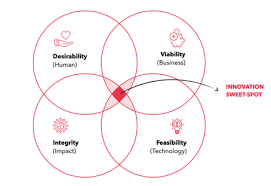
It’s about finding a sweet spot. This spot is where demand is high. But where you can still stand out.
It’s a daily effort. You check trends and sales often.
Why does this matter so much? Because without the right products, your store won’t get sales. Your ads won’t work.
Your customers won’t be happy. It’s the foundation of your online business. It’s the first step to success.
Finding these products makes everything else easier. It makes your business grow.
My Own Search for the Perfect Item
I remember when I first started. I felt like a detective. I was looking for clues.
Clues about what people were buying. I spent my evenings scrolling. I looked at so many websites.
It felt overwhelming. I saw amazing gadgets. I saw unique home decor.
But I didn’t know if they would sell. Or if they would sell every day.
One night, I stumbled upon a simple kitchen tool. It was a small avocado slicer. It looked useful.
I watched a video showing how it worked. It made slicing avocados so easy. I thought, “Everyone eats avocados!” I saw it on a few different sites.
People were leaving good reviews. That gave me a spark of hope. This could be it.
I tested it. Slowly, orders started coming in. It wasn’t a huge number at first.
But they were steady. It was a good feeling.
That experience taught me a lot. It taught me that simple, useful things sell. They sell because they solve a real problem.
They solve it in a quick way. It also showed me that you don’t need a flashy product. You need a product that people genuinely use.
Even if it’s a small thing. That avocado slicer wasn’t fancy. But it worked.
And people bought it, day after day.
Product Research Quick Wins
Look for solutions: Does the product solve a common problem? Even a small one?
Check social proof: Are there reviews? Likes? Shares?
Analyze trends: Is it a fad or a lasting need?
Consider simplicity: Is it easy to understand and use?
Where to Look for Daily Dropshipping Product Ideas
Finding product ideas is not random. There are smart places to search. Think about where people spend their time online.
They spend time on social media. They look for deals. They want to learn new things.
Social Media Platforms: Facebook, Instagram, TikTok, and Pinterest are goldmines. Look at what’s trending. See what influencers are promoting.
Watch for ads that catch your eye. People share what they like. They show off new purchases.
This gives you a direct look at what’s popular.
Online Marketplaces: Sites like Amazon, eBay, and Etsy are great. Look at their best-seller lists. See what’s new and trending.
Check out customer reviews. They often mention related products. Or things people wish they had.
These sites show real buying habits.
Google Trends: This tool shows you search interest over time. You can see if a product is growing. Or if it’s just a short trend.
It helps you pick things that have lasting appeal. You can compare different product ideas.
Niche Forums and Communities: Find online groups related to hobbies or interests. People discuss their needs and wants there. They share product recommendations.
These are often very engaged groups. What they talk about can be valuable.
Competitor Analysis: See what other successful dropshipping stores are selling. Don’t copy them directly. But use their success as inspiration.
What types of products are they offering? How are they marketing them? This helps you understand the market.
Understanding Market Demand and Trends
Demand is what drives sales. You want products that many people want. Trends are popular things for a time.
Some trends last. Others fade quickly. For daily dropshipping, you want steady demand.
You also want trends that have some staying power.
Seasonal vs. Evergreen: Some products sell more at certain times of the year. Think Christmas decorations.
Or summer swimsuits. These are seasonal. Evergreen products sell all year.
Like kitchen gadgets or pet supplies. For consistent daily sales, evergreen products are often safer. But you can also plan for seasonal boosts.
Identifying Emerging Trends: Watch social media. Look for new challenges or popular items. Google Trends can show you rising search terms.
Early adopters often find these. If you catch a trend early, you can profit before it’s crowded.
The Fad vs. The Need: A fad is popular for a very short time. A need is something people require or desire regularly.
You want to focus on needs. Or on trends that solve a problem. Or bring lasting joy.
A fidget spinner was a fad. A good water bottle is a need. Or a want for many people.
Audience Demographics: Who are you selling to? What are their interests? What are their pain points?
Understanding your target audience helps you pick products they will buy. A product for teens might be different from one for seniors.
Trend Spotting Checklist
- Social Media Buzz: Are people talking about it?
- Influencer Endorsements: Are key people showing it?
- Search Volume Growth: Is Google seeing more searches?
- Problem Solved: Does it address a common issue?
- Repeat Purchases: Is it something people might buy again?
How to Analyze Product Potential
Once you have an idea, you need to check it. You need to see if it has real potential. This is where you become a smart shopper.
You look beyond the shiny surface.
Keyword Research: Use tools like Google Keyword Planner or SEMrush. See how many people search for the product. Look for related terms.
High search volume means demand. Low competition keywords can be easier to rank for. This tells you how people search for it.
Competitor Analysis (Deeper Dive): Look at the number of competitors. Are there many? Are they big brands?
Or other dropshippers? If there are thousands of sellers, it’s harder. But if you can find a unique angle, it’s still possible.
Pricing and Profit Margins: What is the typical selling price? What would your cost be from a supplier? Calculate your potential profit.
You need enough margin to cover ads and make money. Aim for at least a 30% profit margin. More is usually better.
Supplier Reliability: Can you find a trustworthy supplier? Check their reviews. See if they ship reliably.
Are their products good quality? A bad supplier can ruin your business. Look for suppliers on platforms like AliExpress, SaleHoo, or Doba.
Product Uniqueness or Angle: Is this product already everywhere? Can you offer it in a different color? Or with better marketing?
Or bundle it with something else? A slight edge can make a big difference. It helps you stand out from the crowd.
Choosing Your Niche: A Crucial Step
Trying to sell everything to everyone is hard. It’s better to focus. A niche is a specific market segment.
For example, instead of “home goods,” focus on “eco-friendly kitchenware.”
Passion and Interest: It helps to be interested in your niche. You will understand your customers better. You will enjoy the research more.
When you care, it shows. Your marketing will be more genuine.
Profitability: Some niches are more profitable than others. Research the average spending in a niche. Are people willing to pay for these products?
Are there enough products to sell within that niche?
Competition Level: Highly competitive niches are tough for beginners. Look for niches that are not too crowded. Or niches where you can bring a fresh perspective.
A smaller, underserved niche can be a great starting point.
Market Size: Is the niche large enough to support a business? A niche that’s too small won’t have enough customers. You need a balance.
Enough customers, but not so many that it’s impossible to compete.
Longevity: Will this niche still be relevant in a few years? Or is it a fleeting trend? Aim for niches with lasting appeal.
This builds a more stable business.
Niche Selection Guide
Focus: Pick a specific area.
Interest: Choose something you care about.
Profit: Ensure it can make money.
Competition: Find a manageable level of rivals.
Future: Select something with lasting power.
Tools for Product Research
You don’t have to guess. Many tools can help you find winning products. They provide data.
This data guides your decisions.
Product Research Platforms: Tools like Niche Scraper, Ecomhunt, and Sell The Trend are built for dropshipping. They analyze trending products. They show sales data.
They often find products that are already selling well.
Spy Tools: Platforms like AdSpy or BigSpy let you see ads running on social media. You can see what other dropshippers are advertising. This is valuable for understanding what works.
SEO Tools: Google Keyword Planner, Ahrefs, and SEMrush help with keyword research. They show search volume. They reveal competition levels.
This is key for understanding demand.
Marketplace Insights: Amazon’s “Best Sellers” and “Movers & Shakers” sections. eBay’s “Trending” lists. These show real-time sales activity.
Social Media Analytics: Tools for analyzing hashtag popularity. Or seeing what content gets high engagement. These help you gauge social buzz.
Using a combination of these tools gives you a fuller picture. It helps you make data-driven choices. Instead of just hoping something sells.
Common Mistakes to Avoid
It’s easy to make mistakes when you’re starting. Being aware of them helps you steer clear.
Chasing Fads: Falling in love with a product just because it’s popular right now. If it fades, your business suffers. Focus on products with real utility or lasting appeal.
Ignoring Profit Margins: Picking a product with high demand but very low profit. You’ll spend a lot on ads and make very little. Always do the math.
Make sure you can make a good profit.
Too Much Competition: Jumping into a market with huge brands and thousands of sellers. It’s hard to get noticed. Look for niches or products with less intense competition.
Poor Quality Products: Choosing the cheapest product without checking quality. Bad reviews and returns will kill your business. Find reliable suppliers.
Order samples if you can.
Not Understanding the Audience: Selling a product that doesn’t match your target customer’s needs or desires. Know who you are selling to. Tailor your product choices and marketing to them.
Giving Up Too Soon: Product research takes time. Not every product will be a winner. You need to be persistent.
Learn from each attempt. Keep refining your process.
Mistake Avoidance Tips
- Research trends carefully: Is it a fad or evergreen?
- Calculate profit: Ensure margins are healthy.
- Check competition: Can you realistically compete?
- Vet suppliers: Prioritize quality and reliability.
- Know your customer: Match products to their needs.
- Be patient: Success often comes after trying.
The Importance of Testing Products
Even with the best research, you won’t know for sure until you test. Testing is crucial. It’s how you validate your choices.
Small-Scale Ad Campaigns: Run short, low-budget ad campaigns. See how many people click. How many add to cart?
How many actually buy?
Analyze Data: Look at your ad results. What is the click-through rate (CTR)? What is the conversion rate?
Are people engaging with your ads?
Gather Feedback: If you get a few sales, pay attention to any comments. Or reviews. What do people say?
This feedback is invaluable.
Iterate and Improve: If a product doesn’t perform, don’t be afraid to cut it. Learn why it failed. Then, use that knowledge for your next test.
Maybe it needs different ad copy. Or a different target audience. Or maybe it’s just not the right product.
Testing is not about finding the one perfect product immediately. It’s about learning and improving. It’s about making smart decisions based on real data.
This process helps you find those daily sellers. It helps you build a sustainable business.
Real-World Scenarios for Daily Sellers
Let’s imagine some real-life situations where certain products shine. These are not just random ideas. They are based on how people live.
Scenario 1: The Busy Parent
- Environment: A home with young children. Lots of toys, food spills, and quick mornings.
- Habits: Parents look for items that save time. Things that make cleaning easier. Or make childcare simpler. They often shop on their phones during breaks.
- Products: Reusable snack bags, stain removers, efficient bottle warmers, time-saving kitchen gadgets. These solve common parenting challenges.
Scenario 2: The Home Office Worker
- Environment: A dedicated workspace at home.
- Habits: This person spends hours at their desk. They want comfort and efficiency. They look for ways to stay organized. They value good ergonomics.
- Products: Adjustable laptop stands, ergonomic mouse pads, desk organizers, blue-light blocking glasses, quality headphones. These improve their work experience.
Scenario 3: The Fitness Enthusiast
- Environment: Gym, home workout space, outdoors.
- Habits: Focused on health and performance. They seek products that aid workouts. Help with recovery. Or track progress. They follow fitness influencers.
- Products: Resistance bands, portable blenders for smoothies, posture correctors, reusable water bottles, fitness trackers. These support their active lifestyle.
Thinking about these scenarios helps you connect products to people’s lives. It shows you why certain items sell consistently. They fit into people’s daily routines.
Quick Scan: Product Categories & Their Appeal
| Category | Why It Sells Daily | Example Product |
|---|---|---|
| Kitchen Gadgets | Solves common cooking/prep problems. Makes tasks easier. | Multi-functional peeler |
| Home Organization | Helps declutter and create order. People always want this. | Drawer dividers |
| Pet Supplies | Pet owners constantly need and buy for their pets. | Durable chew toy |
| Personal Care | Items people use daily for hygiene or beauty. | Electric toothbrush head replacements |
| Tech Accessories | Enhance device usability or protect them. High demand. | Fast charging cable |
When is a Product a “Daily Seller”?
A product earns the title “daily seller” for a few key reasons. It’s not just luck. It’s about consistent performance.
Steady Sales Volume: The most obvious sign. If you see orders coming in day after day. Without huge spikes and then dips.
It’s a daily seller.
Low Seasonality: It doesn’t just sell during a specific holiday or season. It sells in spring, summer, fall, and winter. Its demand is relatively constant.
Repeat Customer Potential: Some products encourage repeat buys. Consumables like skincare or pet food. Or items that wear out and need replacing, like phone cases.
Problem/Solution Fit: The product solves a common, ongoing problem. Or it fulfills a consistent desire. People will keep looking for solutions to these problems.
Positive and Consistent Reviews: If customers are generally happy. And they leave good reviews often. It shows the product meets expectations.
This builds trust and leads to more sales.
Resilience to Trends: While trends can be good, daily sellers often perform well even when a trend isn’t at its peak. They have a baseline level of demand.
Identifying these characteristics requires looking at sales data over time. It’s about observing patterns. And understanding customer behavior.
Tips for Finding More Daily Sellers
Building on your initial research, here are some ways to keep finding products:
Set Up Google Alerts: For keywords related to your niche. You’ll get emails when new articles or discussions appear. This can highlight emerging products.
Follow Industry Blogs and Newsletters: Many sites cover product trends and consumer behavior. Read them regularly.
Engage in Online Communities: Be an active member of forums or Facebook groups in your niche. Listen to what people complain about or wish they had.
Analyze Your Own Purchases: What do you buy repeatedly? What problems do products you buy solve for you? Your own life can be a source of inspiration.
Look at “Add to Cart” Data: If you have a store, analyze which products get a lot of “add to cart” actions but maybe not many sales. This can mean people are interested but hesitant. Perhaps a small discount or better description would convert them.
Or it might indicate it’s a good item people are considering.
Consider Bundling: Can you combine two related, good-selling products? Sometimes a bundle offers more value and solves a slightly bigger problem.
Finding daily sellers is an ongoing process. It’s about staying curious. And always looking for new opportunities.
Frequently Asked Questions
How often should I research new products?
It’s best to do daily product research, even if it’s just for 15-30 minutes. This helps you stay on top of trends and spot new opportunities before others do. Consistent effort is key.
What if a product I pick stops selling?
That can happen. The best approach is to not panic. Analyze why it stopped selling.
Was it a fad? Did competition increase? Did the supplier have issues?
Use this lesson to find your next product. It’s part of the learning process.
How do I know if a product is too competitive?
Look at the number of sellers offering the exact same product. Check their ad spend and how established they are. If you see many large stores with massive ad campaigns for a single item, it might be too competitive.
Try to find a less saturated market or a unique angle.
Should I only sell unique products?
Not necessarily. Many daily sellers are not unique inventions. They are often everyday items that people need or want.
The key is how you market them. Can you offer better quality, faster shipping, better customer service, or a more compelling brand story?
Is it okay to sell trending products, even if they are fads?
Yes, you can profit from trending products, but with caution. Treat them as short-term opportunities. Focus on getting them listed quickly and marketing them hard while they are hot.
However, don’t rely on fads for long-term business success. Balance them with evergreen products.
How do I find reliable dropshipping suppliers?
Look for suppliers with good reviews and ratings on platforms like AliExpress. Check their shipping times and customer service responsiveness. Ordering samples is a good idea to test product quality before selling.
Consider using dropshipping agents who can help source and verify suppliers.
Conclusion
Finding products that sell daily is the heart of a successful dropshipping store. It requires diligence and smart research. By understanding market needs, spotting trends, and using the right tools, you can identify items with real staying power.
Remember to test your findings. Learn from every step. Your journey to consistent sales starts with finding the right products.