


The best dropshipping spy tools help you find trending products, see what competitors are selling, and analyze ad performance. This data guides your product selection and marketing efforts, making your dropshipping business more likely to succeed.
Understanding Dropshipping Spy Tools
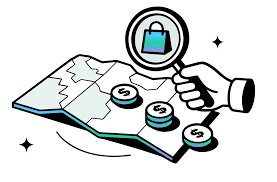
Imagine trying to find a treasure without a map. That’s kind of what dropshipping can feel like without good information. Dropshipping spy tools are your map.
They help you see what’s working right now. They look at products that are selling well. They also watch what other dropshippers are doing.
Think of them as your secret weapon.
These tools gather data from different places. This includes online stores, social media, and ad platforms. They then organize this information.
You can see which products are getting a lot of attention. You can also find out who is selling them. This helps you learn from others.
It also helps you find gaps in the market.
Why are these tools so important? Well, the dropshipping world moves fast. What’s popular today might not be tomorrow.
You need to stay ahead. Spy tools give you that edge. They show you trends before they become common knowledge.
This lets you act quickly. You can test new products. You can improve your marketing.
At their core, these tools are about data. They collect vast amounts of it. Then they make it easy for you to understand.
You get clear reports. You see charts and graphs. This makes it simple to spot patterns.
You can see which product categories are hot. You can see which ads are getting clicks.
The goal is not just to copy others. It’s to learn and adapt. You see a product doing well.
You can then ask why. Is it the product itself? Is it the way it’s advertised?
Is it the target audience? Spy tools help you answer these questions. This knowledge is gold for your business.
There are many different tools out there. Some focus on product research. Others look at ad campaigns.
Some do a bit of everything. Choosing the right one depends on your needs. We’ll look at some of the best options soon.
But first, let’s understand what makes a tool useful.
A good spy tool should be easy to use. It should give you accurate data. It should offer insights you can act on.
It should also fit your budget. Some can be quite expensive. Others have free versions or trials.
It’s good to try a few before committing.
So, think of these tools as your research partners. They do the heavy lifting. They sift through mountains of data.
You get the valuable findings. This saves you time. It also saves you money.
You avoid testing products that are unlikely to sell. You learn what marketing messages resonate with customers.
My Own Journey with Product Research
I remember when I first started dropshipping. It was exciting but also totally overwhelming. I spent hours scrolling through AliExpress.
I looked at what was popular there. But that wasn’t enough. It didn’t tell me what people were actually buying.
It didn’t show me what was being advertised on Facebook or Instagram.
I felt like I was guessing. I’d pick a product that looked cool. Then I’d spend money on ads.
Most of the time, nothing happened. A few orders might trickle in, but never enough to make a profit. I was burning through my small budget so fast.
It was frustrating, and honestly, a bit scary.
One late night, after another failed ad campaign, I felt really defeated. I was staring at my laptop screen, the blue light casting shadows. I saw a post on a forum about “spy tools.” At first, I thought it sounded a bit shady, like I was spying on people.
But I was desperate.
I found a tool that had a free trial. I started playing around with it. I typed in keywords related to my niche.
Suddenly, I saw products that had hundreds or even thousands of orders. I saw the ads running for them. I could see the ad copy.
I could see the images they used. It was like a light bulb went off!
I realized I was missing a huge piece of the puzzle. I wasn’t looking at what was actively being promoted. I wasn’t seeing the real-time demand.
This tool showed me products I’d never even considered. It showed me how they were being presented to customers. It was a total game-changer for me.
I started testing products that the data pointed to. And for the first time, I saw success. It wasn’t overnight riches, but it was real progress.
That’s when I truly understood the power of these dropshipping spy tools.
The Top Dropshipping Spy Tools You Should Know
Okay, let’s get to the good stuff. What are the tools that can really help you? There are several top contenders.
Each has its own strengths. Some are better for product research. Others shine when it comes to ad spying.
It’s worth looking at a few.
Here are some of the most popular and effective ones:
1. AdSpy
AdSpy is a giant in the ad spying world. It has a massive database of Facebook and Instagram ads. You can search by keyword, advertiser, or even website.
It shows you ads that have been running for a while. This suggests they are likely profitable. You can see the ad text, images, and even comments.
It’s great for seeing what’s working on social media. The sheer volume of ads is amazing. It helps you understand ad angles and creative strategies.
This tool is powerful for spotting trends and understanding competitor ad spend.
2. Ecomhunt
Ecomhunt focuses on curated product research. They manually find and add winning products daily. Each product listing includes data like ad engagement, supplier links, and audience targeting ideas.
It’s a simpler approach than massive databases. Many beginners find Ecomhunt very helpful. It takes some of the guesswork out of finding products.
The team vets the products, so you’re often looking at already proven items. It’s a good place to start if you’re new to product selection. They show you the “why” behind a product’s success.
3. Minea
Minea is another strong player in social media ad intelligence. It focuses on platforms like TikTok, Facebook, Instagram, and Pinterest. Minea offers detailed analytics on ad creatives.
You can filter by engagement, country, and ad type. It’s excellent for visual product research. You can see what kind of videos and images are grabbing attention.
Minea is great for discovering influencer marketing trends too. If you’re looking to understand visual marketing strategies, this tool is valuable. It helps you see what appeals to people visually.
4. Niche Scraper
Niche Scraper offers a blend of product research and store analysis. It has an “AliExpress Dropshipping Center” that finds trending products. It also lets you analyze competitor stores.
You can see their best-selling products and their ad strategies. This tool is good for understanding the overall landscape of successful stores. It helps you identify niches that are underserved or over-saturated.
Seeing what successful stores are doing can give you many ideas. It helps you learn about their product selection and presentation.
5. Sell The Trend
Sell The Trend aims to be an all-in-one platform. It offers product research, store analysis, and ad intelligence. Their “Product Hunter” feature helps find trending items.
They also have an “Ad Scanner” to see competitor ads. What sets it apart is its focus on analyzing winning Shopify stores. You can see their product pages, ad strategies, and overall store setup.
This holistic view is very beneficial for learning. It shows you not just products but also successful store designs and marketing funnels.
6. Dropship Spy
Dropship Spy is designed to help you find winning products. It pulls data from various sources to identify high-potential items. They provide details on product engagement, supplier information, and competitor analysis.
It’s straightforward and user-friendly. The tool aims to simplify the product selection process. You can see metrics that indicate a product is gaining traction.
This helps you make informed decisions about what to test.
Remember, the best tool for you might depend on your budget and specific needs. Many offer free trials. This is the best way to see which interface you like best.
It also helps you confirm the data quality.
How to Use These Tools Effectively
Just having the tools isn’t enough. You need to know how to use them. Think of it like having a powerful car but not knowing how to drive.
You won’t get far.
Here’s a breakdown of how to get the most out of your spy tools:
1. Focus on Trends, Not Just Specific Products
What it means: Don’t just look for one “hot” product. Look for patterns. Are certain types of products selling well?
Are there common themes in the ads? For example, if you see many ads for eco-friendly home goods, that’s a trend. It’s better to find a niche within a trend.
This is more sustainable for your business.
How to do it: Use keyword searches in tools like AdSpy or Minea. Look at the results for commonalities. See what types of products get lots of likes and shares.
Filter by engagement. This shows you what people are responding to.
2. Analyze Competitor Ads Deeply
What it means: What are successful dropshippers doing? Look at their ad copy. What is their hook?
What benefits do they highlight? Look at their images or videos. Are they using UGC (User-Generated Content)?
Are they creating professional ads? What is their call to action?
How to do it: Use tools like AdSpy or Minea to find competitor ads. Click on them. Read the text carefully.
Watch the videos multiple times. Note down the key selling points. Try to understand the customer pain points they are addressing.
This gives you ideas for your own marketing.
3. Identify Your Target Audience
What it means: Who are you selling to? Spy tools can help you figure this out. Look at the comments on competitor ads.
What language do people use? What are their concerns? What are their interests?
This tells you who is interested in these products.
How to do it: Browse the comments sections of ads for products similar to what you want to sell. Note down demographic clues. Look for recurring questions or pain points.
This helps you define your ideal customer profile. You can then tailor your ads and product descriptions to them.
4. Look for Underserved Niches
What it means: Sometimes, the best opportunities aren’t in crowded markets. Spy tools can help you find niches where demand is high but competition is low. This is the dream scenario for dropshippers.
How to do it: Use advanced filtering options in tools. Search for specific, long-tail keywords. Look for products with good engagement but fewer existing stores selling them.
Tools like Niche Scraper can help analyze competitor store saturation. It’s about finding a sweet spot.
5. Validate with Data, But Trust Your Gut Too
What it means: Data from spy tools is powerful. It shows you what’s likely to work. But don’t ignore your own intuition.
If a product feels off, or you don’t have any passion for it, it might be a struggle. The best dropshippers often have a mix of data-driven decisions and personal interest.
How to do it: Use the data to narrow down your options. Then, pick a few products you genuinely find interesting. When you’re passionate about a product, it shows in your marketing.
You’re more likely to put in the effort needed to make it a success.
One crucial thing: these tools show you what’s currently working. They are a snapshot in time. Always remember that.
Trends change. What’s popular today might be old news next month. You need to keep checking.
You need to keep adapting.
Don’t just pick one product and run with it forever. Use the spy tools to test new items regularly. Keep an eye on your competitors.
See what new ads they are running. This continuous learning is key to long-term success.
Real-World Examples of Using Spy Tools
Let’s make this more concrete. Imagine you’re looking at AdSpy.
You search for “pet accessories.” You see hundreds of ads. You filter them by the highest engagement over the last week. You notice a few ads for smart pet feeders are getting tons of likes and shares.
The videos show dogs and cats using the feeders. The text talks about convenience for busy owners and how it helps prevent pets from overeating.
This tells you a few things:
- Product Category: Pet tech is popular.
- Specific Product: Smart feeders are in demand.
- Target Audience: Busy pet owners who care about their pet’s health.
- Ad Angle: Convenience and pet health benefits.
- Creative Style: Videos showing the product in use with pets.
Now, you take this information. You might go to AliExpress or a similar supplier. You look for smart pet feeders.
You find a few options. You compare prices and reviews. You see one that looks good.
It has good reviews and a reliable supplier.
Next, you use this intel to create your own ad. You might create a video showing a pet using the feeder. Your text could highlight how it saves time for owners and ensures their pet gets fed on schedule.
You use the same kind of language you saw in the successful ads. You target people who own pets and are interested in “convenience” or “pet health.”
This is much smarter than just picking a random product. You are using real data to guide your choices. This significantly increases your chances of success.
Another example using Ecomhunt. You open Ecomhunt for the day. They’ve listed a “Portable Mini Sewing Machine.” The description says it’s great for quick repairs and small projects.
It shows a video of someone easily hemming pants. Ecomhunt tells you it’s seeing good ad engagement. They suggest targeting people interested in “DIY,” “crafts,” and “fashion hacks.”
You see the potential. You then might use Niche Scraper to see if there are many other stores selling this exact product. If competition is moderate, you decide to test it.
You find a supplier, create your product page, and set up a small ad campaign targeting the suggested audience. You might even check out Amazon to see customer reviews for similar products, looking for common complaints or praises that you can address in your own product description or marketing.
These aren’t just random products. They are products that have shown signs of demand through advertising and sales data. Spy tools help you find these signals.
Common Pitfalls to Avoid
Even with the best tools, people make mistakes. Here are a few common ones to watch out for:
Myth vs. Reality: Copying Directly
Myth: Just copy a winning ad and product page exactly.
Reality: This rarely works long-term. Competitors will catch on. Ad platforms might flag duplicate content.
Your goal is to learn from successful ads, not to clone them. Adapt the ideas to your own brand and unique selling points. Make it your own.
Normal vs. Concerning: Ignoring Ad Spend Data
Normal: Seeing ads with moderate engagement and steady running times.
Concerning: Seeing an ad with millions of views overnight but it only ran for one day. This could be a viral flop or a brand test. Look for ads that show consistent, sustained interest.
These are more likely to be profitable.
Quick Scan Table: What to Look For
| Metric | What it Means |
|---|---|
| High Likes/Shares/Comments | Indicates audience interest and engagement. |
| Long Ad Run Time | Suggests the ad is profitable and performing well. |
| Targeted Audience Interests | Helps you understand who to market to. |
| Clear Value Proposition | The ad clearly explains what the product does and why you need it. |
Another mistake is relying on only one tool. Each tool has its own data set and algorithms. Using a combination gives you a more complete picture.
For instance, AdSpy might show you a trending product on Facebook. Then you can use Niche Scraper to see if other stores are already selling it successfully. This cross-referencing is key.
Also, don’t get lost in analysis paralysis. It’s easy to spend weeks just looking at data and never launching a product. Set a time limit for your research.
Make a decision based on the best available information, and then launch a test campaign. You can always pivot later.
What This Means For Your Business
Understanding and using dropshipping spy tools transforms your business. It shifts you from guessing to informed decision-making. You spend less money on ads that won’t work.
You focus your efforts on products that have proven demand.
When is it normal to use these tools? Always. For any dropshipper, especially those starting out or looking to scale, these tools are essential.
They are part of modern e-commerce success. They help you stay competitive in a fast-moving market.
When should you worry? You should worry if you’re not using any data to guide your product selection. If you’re just picking random items, you’re leaving money on the table.
You’re also taking on more risk than you need to.
Simple checks you can do:
- Look at the number of active ads for a product type.
- Check how long those ads have been running.
- Read the comments on competitor ads to gauge customer sentiment.
- See if successful products have clear target audiences mentioned in their ads.
These tools provide a competitive advantage. They let you see what’s working now. This helps you build a more robust and profitable dropshipping business.
It’s about working smarter, not just harder.
Quick Tips for Success
Here are some actionable tips to help you use spy tools:
- Start with a Free Trial: Always test a tool before you buy.
- Focus on One Niche: Don’t try to spy on everything. Pick a niche and dig deep.
- Look at the “Why”: Why is this product selling? What problem does it solve?
- Analyze Ad Creatives: Pay close attention to images and videos.
- Read the Comments: Customer feedback is invaluable.
- Track Your Results: If you test a product found via a spy tool, measure its performance.
- Stay Updated: Trends change. Revisit your spy tools regularly.
Frequently Asked Questions About Dropshipping Spy Tools
Are dropshipping spy tools ethical?
Yes, they are ethical. These tools gather publicly available data from ads and online stores. They don’t access private information.
You are essentially observing what competitors are choosing to show to the public. It’s like looking at billboards in a city.
Can I find winning products without spy tools?
It’s possible, but much harder and slower. You’d rely heavily on intuition, manual trend spotting on platforms like TikTok or Pinterest, and luck. Spy tools speed up the process significantly by providing data-backed insights.
How much do dropshipping spy tools cost?
Prices vary widely. Some tools start around $20-$50 per month for basic plans. More advanced tools with larger databases can cost $100-$200+ per month.
Many offer free trials or limited free versions.
Which is the best spy tool for beginners?
For beginners, tools like Ecomhunt or Niche Scraper are often recommended because they offer curated lists and simpler interfaces. However, a free trial of a more comprehensive tool like AdSpy or Minea can also be very insightful.
Can spy tools help me find suppliers?
Some spy tools, especially those focused on product research like Ecomhunt or Niche Scraper, will provide links to potential suppliers on platforms like AliExpress. Tools focused purely on ad intelligence (like AdSpy) are less likely to do this.
How often should I use spy tools?
It’s best to use them regularly. Daily or weekly checks are good for staying on top of trends. The frequency depends on your business model and how quickly your niche changes.
For active campaigns, checking competitor ads weekly is smart.
Are spy tools only for Facebook ads?
No. While Facebook and Instagram ads are heavily monitored by many tools, newer tools are expanding to cover platforms like TikTok, Pinterest, Google Ads, and even Amazon. Check the specific platform coverage of any tool you consider.
Conclusion
Finding success in dropshipping is about making smart choices. Dropshipping spy tools are your best friends in this journey. They offer a window into what’s working right now.
Use them to discover trends, understand your competition, and find products that have a real chance of selling. Don’t be afraid to experiment. Data is your guide, but your passion will fuel your success.