



Finding competitor winning products involves smart research. You need to look at what’s selling well for others. This means checking their websites, social media, and using special tools. The goal is to understand what customers want and why certain products are popular. This knowledge helps you pick better items for your business.
What Are Competitor Winning Products?
When we talk about competitor winning products, we mean items that are selling really well for other businesses. These are the products that customers are actively buying, talking about, and recommending. They often have a strong demand in the market.
They’ve passed the test. People want them. They solve a problem or offer something exciting.
They stand out from the crowd. These products show that there’s a real market for them.
Why does this matter to you? Because seeing what’s already successful can guide your own choices. It’s like looking at a map before you start a journey.
You can see where others have found treasure. You don’t need to reinvent the wheel. Instead, you can learn from their paths.
You can adapt their strategies. You can find your own version of success. This helps you avoid wasting time and money on products that might not sell.
My Own Brush With the “Winning Product” Mystery
I remember when I first started my online store. I felt so overwhelmed. I spent weeks picking products I thought were cool.
I loved their design. I thought they looked neat. But then… crickets.
Hardly any sales. I felt like I was shouting into the void. One late night, feeling pretty defeated, I stumbled onto a competitor’s site.
Their homepage was filled with products that looked… familiar? Yet, they had tons of reviews. They were everywhere on social media.
People were commenting like crazy. It hit me. They weren’t just selling products; they were selling what people wanted to buy.
It wasn’t about my personal taste. It was about market demand. That night changed everything for me.
I stopped guessing and started looking. I started searching for their winning products.
Uncovering What’s Trending: Your Research Toolkit
Finding competitor winning products isn’t about spying. It’s about smart observation. It’s about using tools and methods that reveal market signals.
Think of it like being a detective for your business. You gather clues. You connect the dots.
We’ll explore different ways to do this. Some methods are free and easy. Others use special tools that give deeper insights.
Each step helps you build a clearer picture of what’s hot in your market.
Step 1: Browse Competitor Websites Like a Pro
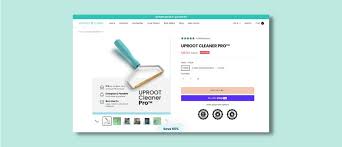
Start by listing businesses selling similar items. Look at their best-sellers. Do they highlight new arrivals?
Check their product pages. How many reviews do their popular items have? High numbers often mean high sales.
Also, notice how they describe their products. What benefits do they focus on? What words do they use?
This is all valuable info.
Step 2: Dive into Social Media Buzz
Social media is a goldmine. See what competitors are posting about. Are they running ads for specific products?
Check comments and shares. What are people saying? Are there influencer collaborations?
Products that get a lot of engagement on social media are often winners. Look at platforms like Instagram, Facebook, TikTok, and Pinterest. See what’s being shared and talked about.
What content gets the most likes and comments?
Step 3: Leverage Product Research Tools
There are tools designed for this. Some show you trending products. Others track sales data for items on major platforms like Amazon or Shopify.
These tools can be paid. But even free trials can give you a look. They help you see what’s selling in different niches.
They often provide data on sales volume and growth. This takes the guesswork out of finding popular items.
The Power of “People Also Ask”
Google’s “People Also Ask” boxes are like little windows into user curiosity. They show questions people are typing into search engines. If you see questions about a certain product or type of product, it means people are actively seeking information.
This indicates interest. It signals a potential market. You can use these questions to understand what problems people are trying to solve.
Or what features they are looking for. This is super helpful for product selection.
Real-World Scenarios: Seeing Products in Action
Sometimes, the best way to understand a winning product is to see it in a real setting. Where do these popular items show up? Think about your own daily life.
You might see a specific type of gadget on your friend’s kitchen counter. Or you might notice a particular brand of water bottle on almost every hiking trail. These aren’t random.
They are signs of products that have gained traction.
What about habits? People develop habits around using certain products. For example, many people have a morning routine that involves a specific type of coffee maker.
Or they might use a certain app every day. The products that fit into these habits often become best-sellers. They become part of people’s lives.
They feel almost essential.
The design and materials of a product also play a role. A product that is well-made, looks good, and is durable is more likely to win customers over. Think about a comfortable pair of shoes or a sturdy phone case.
These are products people rely on. They are designed for daily use. User behavior is key too.
If a product is easy to use and brings joy or convenience, people will keep buying it. They will tell others about it.
Product Example: The Smart Water Bottle
Imagine a smart water bottle that tracks your hydration. It glows to remind you to drink. It syncs with an app.
Competitors selling these might show them in gym settings, offices, or on outdoor adventures. People’s habits include staying hydrated. The design is modern.
The tech is useful. Users track their health. This product fits into health-conscious lifestyles.
Product Example: Eco-Friendly Cleaning Supplies
Another example is a line of eco-friendly cleaning products. Competitors might show them in clean, minimalist homes. They highlight natural ingredients.
People want safer homes for their families. They care about the planet. The habit is cleaning.
The design is often simple and green. User behavior shows a shift towards sustainable choices.
What Does This Mean for Your Business?
Seeing what wins for others gives you a huge advantage. It’s not about copying blindly. It’s about smart learning.
You can use this knowledge to pick products that have a higher chance of success. You can also learn how to market them better. You can see what kind of language works.
What visuals get attention. What problems they are solving for people.
When is a product “normal” in this context? If you see a competitor with a decent number of sales and positive reviews, that’s a good sign. It’s a product that’s likely doing well.
When should you worry? If a competitor has a product with tons of negative reviews, or very few sales despite heavy promotion, that’s a red flag. It means the market might not be responding well to that item.
Or the quality is poor.
You can do simple checks. Look for products with consistent sales over time. Check if reviews are generally positive.
Are customers happy with the core function of the product? Are there common complaints? These simple checks can save you a lot of trouble.
They help you steer clear of potential pitfalls. Focus on products that solve real problems. Or bring genuine delight to users.
Quick Checks for Winning Potential
Sales Volume: Does the product seem to sell a lot? Look for high review counts and frequent mentions.
Customer Feedback: Are most reviews positive? Do customers praise the product’s main features?
Market Fit: Does the product solve a clear problem or fulfill a strong desire?
Competitor Effort: Is the competitor actively promoting this product? This shows belief in its success.
Quick Tips for Finding Your Next Big Hit
Here are some practical steps you can take. They help you actively search for winning products. Think of them as your checklist.
Use them to guide your product exploration. They are based on observing what makes other products popular.
- Identify Your Niche: First, decide what kind of products you want to sell. What area are you interested in?
- List Top Competitors: Find 5-10 businesses selling similar things.
- Analyze Their Top Sellers: See which products have the most reviews or are featured most prominently.
- Watch Social Media Ads: Look for ads that pop up repeatedly for specific products.
- Read Reviews Critically: Understand why people love or dislike a product.
- Use Trend Spotting Tools: Explore tools that show trending products across platforms.
- Look for Solved Problems: Focus on products that clearly fix a pain point for customers.
It’s also important to understand the lifecycle of a winning product. Some products become trends that fade. Others become stable sellers.
Knowing this helps you choose products that offer long-term potential. Don’t chase every single fad. Look for products with lasting appeal.
Or those that are part of a growing market.
Myth vs. Reality: Finding Winning Products
Myth: You need a secret, expensive tool to find winning products.
Reality: Many insights come from careful observation of competitors and customer behavior, often for free.
Myth: You must invent something totally new.
Reality: Improving an existing product or finding a new angle for a popular item can be just as successful.
Myth: Once you find a winning product, it’s easy sailing.
Reality: Competition increases. You need to keep innovating and focusing on customer service.
Frequently Asked Questions
How do I know if a product is truly a “winning” product?
A winning product typically shows strong sales, high customer satisfaction through reviews, consistent demand, and often gets significant engagement on social media. It solves a real problem or offers strong value.
Can I find winning products just by looking at Amazon?
Amazon is a great place to start, especially their best-seller lists and “Customers also bought” sections. However, you should also look at other platforms like Shopify stores, Etsy, and social media for a broader view.
What if my competitors are much bigger than me?
Even large competitors have products that do well. You can still learn from them by analyzing their popular items. Focus on finding niches or angles they might be overlooking.
Smaller, dedicated audiences can be very valuable.
How often should I research new winning products?
It’s good to do ongoing research. Markets change quickly. Aim to check in on trends and competitor performance at least monthly, or more often if you are in a fast-moving niche.
Is it okay to sell products that are already popular?
Yes, absolutely! Popular products mean there’s a proven market. The key is to differentiate yourself.
You can do this with better marketing, unique branding, superior customer service, or a slight product variation.
What are the signs of a product that isn’t a winning product?
Look out for products with mostly negative reviews, a lack of consistent sales, high return rates, or those that seem overly complicated for the average user. Also, if competitors are constantly trying new variations without success, it might indicate a difficult market.
Final Thoughts on Your Product Quest
Finding competitor winning products is an ongoing journey. It’s about staying curious and observant. Use the methods we’ve discussed.
Look for genuine customer needs. Focus on value. You have the power to uncover what’s working.
You can then use that knowledge to build your own successful business. Happy hunting!