





Competitor research for dropshipping involves studying other online stores to understand their products, pricing, marketing, and customer engagement. This helps identify market gaps, successful strategies, and potential product ideas for your own business.
Why Competitor Research is Your Dropshipping Secret Weapon
Think about it: your potential customers are already looking for things to buy. They’re browsing websites, clicking on ads, and adding items to their carts. Where are they doing this?
Often, it’s on sites that are similar to the one you want to build. Watching these successful stores can give you a massive head start. It’s like getting a peek at the answers before taking the test.
When you understand what your competitors are selling, you can spot trends early. You can see what’s popular now and what might be popular next. This helps you avoid wasting money on products that won’t sell.
It also helps you see how they talk about their products. What words do they use? What pictures do they show?
All of this information is gold.
This isn’t about spotting a product and saying, “I’ll sell that too!” It’s deeper. It’s about understanding why that product is selling. Is it the price?
The quality? The way it’s advertised? By answering these questions, you can develop your own unique angle.
You can find ways to do it better, or at least differently. This makes your store stand out in a crowded online space. It builds trust with your customers and helps you create a lasting business.
Understanding Your Competitors: Who Are They?
Before you can learn from them, you need to know who your rivals are. This goes beyond just knowing a few big names. There are different types of competitors in dropshipping.
Some are direct competitors. They sell very similar products to the same audience you’re targeting. Others might be indirect.
They might sell different products, but to the same person. Or they might solve the same problem in a different way. Identifying both is key.
Direct Competitors: These are the online stores that pop up when you search for a product you’re interested in selling. They might have the exact same items, or very close alternatives. They often target the same keywords on search engines.
They use similar social media platforms. You’ll see their ads. They are your most immediate rivals.
Indirect Competitors: These are a bit trickier to spot. Imagine you want to sell smart home gadgets. A direct competitor sells smart plugs.
An indirect competitor might sell smart light bulbs, or even a whole smart home system. They are also targeting people who want convenience and tech in their homes. They might be selling something that solves the same need for a customer, just with a different product category.
Substitutes: Sometimes, the biggest “competitor” isn’t another online store at all. It might be a physical store, or even a DIY solution. If you’re selling a specific kitchen gadget, a competitor could be a well-known department store that carries it, or even a blog post that shows people how to achieve the same result without buying anything.
Understanding these broad categories helps you see the full picture of the market.
Finding Them: How do you actually find these people? Start with Google. Search for the types of products you want to sell.
Look at the first few pages of results. Who shows up? These are likely your direct competitors.
Check social media platforms like Facebook, Instagram, and TikTok. Search for relevant hashtags. See which stores are active and have a good following.
Look at marketplaces like Amazon or Etsy, even if you’re not selling there. They can reveal popular products and sellers.
Don’t just look at the big, famous dropshipping stores. Often, smaller, niche stores can be more insightful. They may have found a specific angle or a loyal customer base that you can learn from.
They might be doing something innovative that larger stores haven’t picked up on yet. It’s all about casting a wide net initially.
What to Look For in Your Competitors
Once you have a list of potential competitors, it’s time to dig in. What details should you be paying attention to? It’s easy to get lost in the data, so let’s break it down into key areas.
Each piece of information helps you build a clearer picture of your market and how you can fit in.
Product Selection: This is probably the most obvious thing to check. What products are they selling? Are they unique, or common items?
Are they part of a specific niche, or a broad category? Pay attention to their best-sellers. Many sites have a “best-selling” or “popular items” section.
This is a direct indicator of what’s working for them and likely for their customers.
Look at the product descriptions. How do they describe the benefits? What features do they highlight?
Are they using strong calls to action? This tells you how they frame their products to appeal to buyers. Note the quality of their product photos and videos.
Good visuals are incredibly important for selling online.
Pricing Strategy: How do your competitors price their items? Are they the cheapest, or do they position themselves as premium? Are there frequent sales or discounts?
Understanding their pricing helps you figure out where you can be competitive. You don’t always have to be the cheapest. Sometimes, a slightly higher price can signal better quality or service.
Or maybe you can offer bundles or packages that provide more value.
Marketing and Advertising: This is a huge area. Where are they getting their traffic from? Are they running ads on Google, Facebook, or Instagram?
Do they have an active presence on TikTok or Pinterest? Check their social media profiles. How often do they post?
What kind of content do they share? Are they engaging with their followers? Look for signs of influencer marketing.
Are they collaborating with popular social media personalities?
I remember one time I was looking at a store selling pet accessories. Their Instagram was full of user-generated content – customers posting pictures of their pets with the products. This showed they were building a community and getting free, authentic promotion.
It was a smart move that I hadn’t seen on other similar sites.
Website Experience: How is their website designed? Is it easy to navigate? Is it mobile-friendly?
A clunky website can drive customers away. Look at their checkout process. Is it smooth and secure?
Do they offer various payment options? A good user experience is vital for converting browsers into buyers. Pay attention to their site speed too.
Slow-loading pages are a killer.
Customer Reviews and Social Proof: What are people saying about them? Most e-commerce sites have product reviews. Read them carefully.
What do customers love? What do they dislike? This is invaluable feedback.
Also, check their social media comments. Are people positive or negative? Social proof builds trust.
If many people are happy, new customers are more likely to buy from you.
Shipping and Returns Policy: How fast do they ship? What are their shipping costs? What is their return policy like?
Clear, customer-friendly policies build confidence. If they offer free shipping or hassle-free returns, it’s something you might want to consider for your own store. These policies can be a deciding factor for many shoppers.
Quick Scan: Competitor Checklist
Product Niche: What main area do they focus on? (e.g., Home decor, pet supplies)
Key Products: List their top 3-5 selling items.
Price Range: Are they low-cost, mid-range, or premium?
Main Traffic Source: Where do most customers find them? (e.g., Google Ads, Organic Search, Social Media)
Social Media Activity: How active are they? What type of content?
Customer Sentiment: Overall feeling from reviews/comments? (Positive, Negative, Mixed)
Tools to Help You Spy (Ethically!)
Doing manual research can only get you so far. Luckily, there are many tools available to help you uncover your competitors’ secrets. These tools can automate much of the data collection process.
They provide insights you might miss otherwise. Using them can save you a ton of time and effort. Remember, these are for understanding, not for malicious intent.
Google Search & Google Trends: This is your free starting point. Use specific search terms related to your niche. Google Trends shows you how popular certain search terms are over time.
It can help you spot emerging trends or seasonal demand for products. You can compare different product ideas here to see which has more sustained interest.
Social Media Analytics: Platforms like Facebook, Instagram, and TikTok have built-in analytics for business accounts. If you’re looking at a competitor that’s active on social media, you can often see engagement metrics like likes, shares, and comments. While you can’t see their exact follower growth or ad spend directly, high engagement is a good sign of a popular product or strategy.
SimilarWeb: This tool gives you an overview of a website’s traffic. You can see where their visitors come from (e.g., direct, search, social, referrals). It also shows you the top referring sites and keywords they rank for in search engines.
This is incredibly useful for understanding their marketing channels. It offers a free version with basic insights.
SpyFu / Ahrefs / SEMrush: These are more advanced (and often paid) SEO tools. They can reveal a competitor’s paid ad campaigns, their organic keywords, their backlinks, and their website traffic estimates. If you’re serious about in-depth competitor analysis, investing in one of these can be very beneficial.
They provide a deep dive into search engine performance.
Facebook Ad Library: This is a free tool from Meta (Facebook/Instagram). You can search for any advertiser and see all the ads they are currently running across Facebook, Instagram, Messenger, and Audience Network. This is gold for understanding how competitors are advertising their products.
You can see their ad creative, copy, and targeting.
Product Research Tools: There are specific tools like Ecomhunt, Sell The Trend, and Niche Scraper that are designed for dropshipping. They often aggregate data from various sources to show trending products, competitor sales data, and supplier information. Some offer free trials or limited free access.
Tool Spotlight: Facebook Ad Library
What it is: A public database of all active ads on Meta platforms.
Why it’s useful: See exactly what your competitors are paying to promote. Analyze their ad copy, images, and calls to action. Understand their current marketing strategies and offers.
How to use: Go to the Facebook Ad Library. Search for the brand names of your competitors. Browse their active ads.
Analyzing Competitor Product Pages
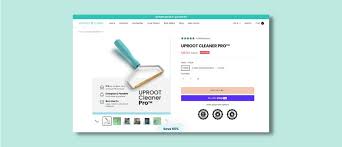
The product page is where the magic (or disaster) happens. It’s where a curious visitor decides whether to buy or bounce. Analyzing these pages for your competitors is crucial.
It tells you what’s working and what isn’t in terms of conversion.
Headline and Title: Is it catchy? Does it clearly state what the product is? Does it include keywords that people might search for?
A good title grabs attention and informs instantly.
Product Images and Videos: This is paramount. Are the images high-resolution? Do they show the product from multiple angles?
Do they show the product in use? Videos are even better. A short demo video can answer many questions and build excitement.
If a competitor has amazing product photos, take note of the style and quality.
Product Description: This is your competitor’s sales pitch. Do they focus on features or benefits? (Benefits are better – they tell the customer how the product improves their life).
Is the description easy to read? Is it broken up into short paragraphs or bullet points? Do they address common questions or concerns?
Look for persuasive language and emotional triggers.
Pricing and Discounts: Is the price clearly displayed? Are there any discounts, coupons, or bundles being offered? Sometimes a “Was $50, Now $35” price point creates a sense of urgency.
Or a “Buy two, get one free” deal.
Calls to Action (CTAs): What button do they use? “Add to Cart,” “Buy Now,” “Shop Now”? Is it prominent and easy to find?
A clear CTA guides the customer on what to do next. Some stores use secondary CTAs for things like “Add to Wishlist” or “Compare.”
Reviews and Ratings: As mentioned before, reviews are critical. Look at the star ratings. Read the most helpful or most recent reviews.
Do they mention anything specific that you should also highlight or address in your own product pages? For instance, if many reviews praise the “durability,” you know that’s a key selling point.
Urgency and Scarcity Tactics: Do they mention “Limited Stock Available” or “Offer Ends Today”? These tactics aim to push a customer to make a faster decision. While they can be effective, they need to be used honestly.
False scarcity can damage trust.
Trust Badges and Guarantees: Look for things like “Secure Checkout,” “Money-Back Guarantee,” or logos of payment providers. These little elements build trust and reduce perceived risk for the buyer. If your competitors have them, you likely should too.
Product Page Elements to Watch
- Headline: Clear and inviting?
- Visuals: High-quality photos/videos? Product in use?
- Description: Benefit-driven? Easy to read?
- Price: Clearly displayed? Any offers?
- CTA: Prominent and clear?
- Reviews: Positive sentiment? Key highlights?
- Trust Signals: Guarantees, badges?
Spotting Underserved Niches and Product Gaps
This is where competitor research really shines. It’s not just about seeing what’s popular; it’s about finding what’s missing. When you look at a range of competitors, you start to see patterns.
You also start to see what they aren’t doing.
The “Everyone Sells This” Problem: If every single competitor is selling the same exact item, it might mean the market is saturated. The profit margins could be very slim. It’s hard to stand out when you’re just another face in a crowd.
This is your cue to look for variations or entirely different products.
The “Nobody Sells This” Opportunity: On the flip side, if you see a product that seems like a perfect fit for a certain audience, but no one is selling it, that’s a big flag. Why isn’t anyone selling it? Is it too hard to source?
Is there no demand? Or is it a hidden gem waiting to be discovered? This requires further investigation.
Looking for Specific Demographics: Competitors might target a broad audience. Can you narrow it down? For example, if many stores sell general fitness equipment, you might find a gap in equipment specifically for seniors, or for people with certain physical limitations.
Or perhaps equipment designed for a very specific sport that isn’t widely catered to.
Finding Unique Angles: Even if a product is common, can you offer it with a twist? Maybe your competitors sell plain t-shirts. You could offer custom-printed t-shirts with unique designs.
Or perhaps they sell basic dog collars. You could specialize in collars for very large breeds, or collars with built-in GPS trackers.
Analyzing “People Also Ask” and Forum Discussions: What questions are people asking online about a particular product category? If you see recurring questions that aren’t easily answered by existing product descriptions or websites, that’s a potential gap. Websites like Reddit or Quora can be great for this.
Search for your niche and see what problems people are trying to solve.
My Own “Aha!” Moment: I once noticed a lot of discussion online about how difficult it was to find durable, yet stylish, lunch bags for adults. Most options were either too childish or not very insulated. This pointed to a clear gap.
My competitors were selling generic cooler bags, but nobody seemed to be focusing on this specific adult demographic with aesthetic appeal. That insight led to a successful product line.
Finding Your Niche: Contrast Matrix
Normal: Competitors sell similar, popular items.
Concerning: Competitors sell the exact same items with no differentiation.
Opportunity: Competitors ignore a specific audience or product variation.
Insight: Look for a gap where you can offer a unique solution or cater to an unmet need.
Evaluating Competitor Marketing Strategies
How competitors attract customers is a vital part of their success. Understanding their marketing helps you craft your own effective strategies. It’s not just about what they sell, but how they tell people about it.
Search Engine Optimization (SEO): What keywords are they ranking for on Google? Are they targeting broad terms or very specific long-tail keywords? Tools like Ahrefs or SEMrush can show you their organic search performance.
If a competitor ranks well for “eco-friendly yoga mats,” it tells you that term is valuable and that targeting it might be worthwhile.
Paid Advertising (PPC): This is often visible through the Facebook Ad Library or by observing Google search results (ads are usually marked). What kind of ads are they running? Are they focused on discounts, new arrivals, or brand building?
What images and copy are they using? This shows you what messages resonate with their audience. Are they bidding on your target keywords?
Social Media Marketing: This is more than just posting. How often do they post? What platforms are they on?
Do they use stories, reels, or live videos? Are they running contests or giveaways? Are they engaging with comments and messages?
Building a community on social media is a long-term strategy that pays off. Look at their follower count and engagement rates. High engagement means their content is resonating.
Content Marketing: Do they have a blog? Do they create videos or guides? Content marketing establishes expertise and attracts customers through valuable information.
If a competitor has a blog about “how to care for houseplants,” and you sell rare plants, this shows you a valuable content angle.
Email Marketing: Many e-commerce sites have a newsletter sign-up. Competitors likely use email to nurture leads and drive repeat sales. While you can’t see their email content directly, you can often sign up for their newsletter yourself.
This gives you a direct line to their communication strategy. Look for welcome offers, promotions, and regular updates.
Influencer Marketing: Are they partnering with influencers? Look for sponsored posts on social media or mentions on blogs. Which influencers are they working with?
What is the reach and engagement of those influencers? This can indicate a strategy to tap into new, trusted audiences.
Affiliate Marketing: Some companies have affiliate programs where others promote their products for a commission. While harder to spot, sometimes you’ll see links with “affiliate” in the URL. This is another way they expand their reach.
When I analyze competitor ads, I always look for common themes. If multiple competitors are using similar ad copy like “Transform your mornings” or “Effortless organization,” it suggests this messaging is effective. I then think about how I can use a similar idea but with my own unique brand voice.
Analyzing Competitor Pricing and Promotions
Pricing is a sensitive area in dropshipping. You want to be competitive but also profitable. Your competitors’ pricing strategies offer valuable clues.
Price Points: Are they consistently lower, higher, or the same as other sellers? Are their prices aligned with the perceived value of their products? For example, if they sell very basic items at high prices, they might be making a mistake you can capitalize on.
Conversely, if they offer premium quality at low prices, they might have a sourcing advantage you need to investigate.
Discount Strategies: Do they offer percentage-based discounts (e.g., 20% off), dollar-off discounts (e.g., $10 off), or buy-one-get-one (BOGO) deals? When do these sales typically happen? Are they tied to holidays, or are they evergreen promotions?
Observing their promotional calendar can help you plan your own sales events.
Bundling and Upselling: Do they offer product bundles that give customers a better deal than buying items separately? Do they try to upsell customers to a more expensive version of a product or add-on items at the checkout? These tactics increase the average order value (AOV).
Free Shipping Thresholds: Many stores offer free shipping if a customer spends a certain amount. This is a powerful incentive. What is their threshold?
Is it achievable for most customers? If you plan to offer free shipping, you can use their threshold as a benchmark.
Loyalty Programs: Do they reward repeat customers? Points systems, exclusive discounts for members, or early access to new products are common loyalty features. This builds customer retention.
Perceived Value: Sometimes, a competitor’s price isn’t just about the number. It’s about what the customer believes they are getting. A sleek, professional website with excellent customer service can justify a higher price.
A basic, no-frills site might need to compete on price alone. Understand this balance when you look at their numbers.
Pricing Analysis: Quick Scan Table
| Competitor | Avg. Product Price | Common Discount Type | Free Shipping Threshold | Notes |
|---|---|---|---|---|
| Store A | $25 | Percentage off (e.g., 15%) | $75 | Focuses on seasonal sales. |
| Store B | $40 | Dollar amount off (e.g., $10) | None (offers paid expedited) | Appears to be higher quality. |
| Store C | $18 | Bundle deals | $50 | Targets impulse buys. |
Competitive Analysis: Real-World Scenarios
Let’s imagine a few scenarios to see how this research plays out in practice. Understanding these situations can help you apply the concepts to your own niche.
Scenario 1: The “Me Too” Store
You find a store selling almost identical products to many others. They have decent photos but basic descriptions. Their pricing is average.
They run ads on Facebook, but the engagement seems low. Their website is functional but not inspiring. What does this mean?
Insight: This competitor isn’t a strong leader. They are likely struggling to differentiate. This is an opportunity for you to step in.
Focus on superior product photography, more compelling benefit-driven descriptions, and perhaps a niche within a niche. Offer better customer service. Show them how it’s done.
Scenario 2: The Niche Expert
You discover a store dedicated to sustainable home goods. They have a beautiful, informative blog. Their social media is full of tips and behind-the-scenes content.
They use high-quality, eco-friendly packaging. Their prices are slightly higher, but their customer reviews are glowing about quality and ethics. They don’t run many aggressive sales.
Insight: This competitor has built a strong brand based on values. They attract customers who care about sustainability. They aren’t competing on price.
To compete, you’d need to either join this niche with an even stronger ethical stance or find a different niche altogether. Mimicking their approach without genuine commitment would likely fail.
Scenario 3: The Trend Chaser
This store seems to jump on every new viral product. They have rapidly changing product listings and often run aggressive limited-time offers. Their ads are flashy and focus on the “hot new thing.” Their website might be less polished, and product reviews can be mixed, often praising the product but complaining about shipping times.
Insight: This competitor thrives on novelty and impulse buys. Their strategy relies on quickly capitalizing on trends. They may have lower customer loyalty.
You could compete by focusing on evergreen products with consistent quality and building long-term customer relationships, rather than chasing fads. Or, you could try to identify trends before they go viral, using tools and early indicators.
These scenarios show that not all competitors are the same. Each has a strategy, and understanding that strategy helps you find your own path. It’s about learning from their successes and their failures.
What This Means for Your Dropshipping Business
The data you collect from competitor research isn’t just interesting trivia. It has direct implications for your own dropshipping venture. It’s about turning insights into action.
Product Validation: Seeing a product sell well for multiple competitors is a strong signal that there’s demand. It reduces the risk of choosing a product no one wants. You’re not guessing; you’re basing your decision on market activity.
Pricing Strategy: You can set your prices with more confidence. You know the general range for similar products. You can decide if you want to be the budget option, the mid-range standard, or the premium choice.
This also helps you calculate potential profit margins.
Marketing Channel Identification: If competitors are seeing success with Instagram ads, it’s a strong indicator that your target audience is active there. If they rank high on Google for certain terms, you know those terms are valuable for SEO. This helps you focus your marketing budget and efforts where they are most likely to pay off.
Website Improvement: Seeing what works well on competitor sites can inspire improvements to your own. Better product photos? A clearer navigation menu?
Faster checkout? You can adopt best practices and avoid common mistakes.
Finding Your Unique Selling Proposition (USP): The ultimate goal is to stand out. By seeing what everyone else is doing, you can identify what makes you different. This could be a unique product feature, a specific customer segment you serve, your brand’s story, your ethical sourcing, or your exceptional customer service.
Risk Mitigation: Competitor research helps you avoid common pitfalls. You can steer clear of oversaturated markets or products with very low profit potential. It’s about making smarter, more informed decisions from the start.
Your Action Plan: What to Do Next
1. Identify Your Top 3 Competitors: Pick the ones most similar to your potential business.
2. Analyze Their Best Sellers: What products are flying off their virtual shelves?
3. Examine Their Marketing: Where are they getting their customers from?
4. Check Their Pricing: How do they position themselves financially?
5. Find a Gap: Look for something they are missing or doing poorly.
6. Define Your USP: How will you be different and better?
Common Mistakes to Avoid in Competitor Research
It’s easy to get excited about digging into your competitors, but there are pitfalls to watch out for. Avoiding these mistakes will make your research more effective.
Mistake 1: Focusing Only on Big Players. While giants like Amazon or Walmart are important, don’t ignore smaller, niche competitors. They often have innovative strategies or have found specific markets that larger companies overlook.
Mistake 2: Copying Blindly. Never just copy what your competitors are doing. This leads to generic branding and a lack of differentiation. Use their strategies as inspiration, not as a blueprint.
Always add your own unique spin.
Mistake 3: Ignoring Customer Feedback. The most valuable insights often come from customer reviews and comments. Don’t just look at sales numbers. Read what customers are saying about the products and the service.
This is where you find pain points and delights.
Mistake 4: Not Analyzing Trends. Markets change rapidly. What’s popular today might be forgotten tomorrow. Use tools like Google Trends to stay aware of shifts in consumer interest.
Don’t base your entire strategy on static information.
Mistake 5: Getting Overwhelmed. There’s a lot of data out there. Try to focus on the most important aspects first: product viability, pricing, and primary marketing channels. You can always dive deeper later.
Mistake 6: Not Doing It Regularly. Competitor research isn’t a one-time task. Your competitors will change their strategies, new ones will emerge, and trends will shift. Make it a regular part of your business operations, perhaps once a month or quarter.
I once worked with a client who spent weeks analyzing one huge competitor. They missed that a smaller, agile competitor was rapidly taking market share by focusing on a specific, underserved customer group. This taught me the importance of looking at the whole landscape, not just the biggest trees.
FAQs About Dropshipping Competitor Research
How often should I do competitor research?
It’s best to do it regularly. Start with a deep dive when planning your business. Then, check in at least once a month to see what’s changed.
Major shifts might require more frequent check-ins.
What if my niche has no competitors?
This could be a great opportunity! However, it might also mean there’s no demand. Do more thorough market research.
Look for related niches or broader categories to see if there’s an indirect market. Sometimes, a lack of competitors means the market isn’t viable.
Is it okay to sell the same products as my competitors?
Yes, absolutely. Many successful dropshipping businesses sell products that others also sell. The key is differentiation.
You need to offer something unique in your branding, marketing, customer service, or product presentation to stand out.
What are the ethical concerns with competitor research?
Ethical concerns arise when you engage in activities like scraping copyrighted content, using deceptive practices to gain access to private information, or attempting to sabotage competitors. Researching publicly available information and analyzing their strategies is generally considered ethical and standard business practice.
How do I find competitors if I don’t know where to start?
Start by searching Google for the types of products you want to sell. Look at paid ads and organic search results. Explore social media platforms using relevant hashtags and keywords.
Check popular marketplaces like Amazon or Etsy for trending items in your niche.
Can competitor research guarantee I’ll make a profit?
No, competitor research does not guarantee profit. It significantly increases your chances of success by helping you make informed decisions about product selection, pricing, and marketing. Success also depends on execution, customer service, and adapting to market changes.
Conclusion: Your Path to Smarter Dropshipping
Competitor research is not just a step; it’s a continuous process. It’s your compass in the vast ocean of e-commerce. By understanding who your rivals are, what they’re doing, and why it works (or doesn’t), you gain invaluable insights.
This knowledge empowers you to make smarter product choices, craft effective marketing campaigns, and build a brand that truly resonates with your target audience. Don’t just sell products; sell solutions and experiences. Your competitors have already shown you the way, now it’s your turn to innovate.