





This article will help you understand the signs that show it might be time to stop selling a product. We’ll look at why this happens and what you can do about it. You will learn how to make smart choices for your company’s future.
Why Products Need to Be Retired
Every product has a life cycle. Think of it like a person growing up. It starts small, gets popular, and then eventually fades.
This is natural. Markets change. New things come out.
What people want today might not be what they want next year. So, some products just don’t fit anymore.
Sometimes, a product might not be making enough money. Or maybe it costs too much to make and sell. Other times, a competitor might have a much better product.
It’s not a failure to retire a product. It’s often a smart business move. It frees up time and money for things that are working better.
It’s like tending a garden. You need to pull out the plants that aren’t growing well. This makes room for new, healthy plants to bloom.
Letting go of a product can be hard. But it’s often the best way to keep your business strong and growing.
My Own Product Graveyard Story
I remember this one time, years ago, when I launched a small line of handcrafted candles. I spent weeks perfecting the scents. I found the perfect jars and wicks.
I even designed a nice label myself. I was so proud of them! My friends loved them.
I thought they would be a huge hit.
I set up an online shop and started selling. At first, it was exciting. I got a few orders.
But then… silence. Weeks went by with no new sales. I tried lowering the price.
I ran some ads. Still, not much was happening. The cost of the materials kept adding up.
I was spending more than I was making.
One evening, looking at a pile of unsold candles, I felt a pang of sadness. It felt like a personal failure. But then I thought about all the time I was spending on these candles.
Time I could be using to develop other ideas. I realized then that sometimes, you have to make a tough choice. It was hard, but I decided to stop selling those candles.
It was a relief, and it made room for new, more successful projects.
Signs Your Product Might Be Failing
Low Sales Numbers: Sales have been dropping for a while. New sales are rare.
Decreasing Profit Margins: It costs more to make or sell the product than you earn from it.
Negative Customer Feedback: More and more customers are complaining. They are not happy.
Outdated Technology or Trends: The product is no longer modern. People want newer things.
High Support Costs: You spend too much time fixing problems or answering questions about it.
Lack of New Features: The product hasn’t been updated. It feels old.
When Sales Numbers Tell a Story
Sales numbers are like a report card for your product. If the numbers are going down, it’s a clear sign. This can happen for many reasons.
Maybe there’s a new competitor. Or maybe people just don’t need the product as much anymore.
You need to look at sales trends over time. A small dip might not mean much. But a steady drop over several months is a warning.
Are you selling fewer units? Or are the total sales dollars going down? Both are important to watch.
Think about your target customers. Are they buying less of this product? Are they moving on to something else?
Your sales data can give you answers. It helps you see if the product is still popular.
Quick Scan: Sales Trend Analysis
| Time Period | Units Sold | Revenue | Trend |
|---|---|---|---|
| Last Quarter | 100 | $1,000 | Down |
| Previous Quarter | 150 | $1,500 | Down |
| Year Ago | 200 | $2,000 | Down |
Observation: Consistent decline indicates a problem.
The Profitability Puzzle
Making money is why businesses exist. So, if a product isn’t making money, it’s a big problem. This is called profitability.
It’s not just about sales. It’s about what’s left after all the costs are paid.
Costs include things like making the product. This is called cost of goods sold. It also includes marketing.
And shipping. And customer support. If these costs are higher than the money you get from sales, you lose money.
This is called negative profit margin.
Sometimes, a product might still be selling. But it’s costing you more to make it than you earn. Maybe the price of raw materials went up.
Or maybe your production process is too slow. You have to look at all the numbers carefully.
You might need to adjust your prices. Or find cheaper ways to make it. But if you can’t fix the cost issue, it might be time to stop.
It’s better to stop losing money on one thing. Then you can focus on things that are profitable.
Profitability Check Factors
- Cost of Goods Sold (COGS): How much it costs to make each item.
- Marketing Expenses: Money spent to advertise and sell the product.
- Operational Costs: Costs for running your business related to this product.
- Return Rates: How often customers send the product back.
- Customer Support Time: How much staff time is spent on this product.
Customer Voice: What Are They Saying?
Your customers are the best source of information. What they say about your product matters a lot. Are they happy?
Are they having problems? Listen carefully to their feedback.
This feedback can come in many forms. It could be reviews online. It could be emails or calls to customer service.
It could even be comments on social media. Look for patterns in what people are saying. Are many customers mentioning the same issue?
Negative feedback isn’t always bad. It can tell you what to improve. But if the feedback is consistently negative.
And about the same core problems. It could mean the product itself is flawed. Or it’s just not meeting expectations anymore.
Sometimes, customers might love the idea of your product. But they find it too hard to use. Or it breaks easily.
If you get a lot of these comments, it’s a serious warning. It means the product isn’t working well for the people who buy it.
Customer Feedback Insight
Positive Feedback: Highlights what works. Use this for marketing.
Constructive Feedback: Points out areas for improvement. Can be acted upon.
Negative Feedback: Signals problems. Needs immediate attention.
Types of Negative Feedback:
- Product is broken or defective.
- Product does not work as described.
- Product is difficult to use.
- Product does not meet expectations.
Market Shifts and Changing Trends
The world is always moving. What’s popular today might be old news tomorrow. This is true for technology.
It’s also true for fashion, food, and many other things. Your product lives in this changing world. So, you must watch these shifts.
Think about fads. Some products are popular for a short time. Then they disappear.
Other products are affected by bigger changes. Like new technology. For example, remember when everyone used CDs?
Now streaming is popular. So, CD players are not sold much.
Your product might become old-fashioned. Or a new trend might make it less useful. You need to stay aware of what’s happening outside your business.
Read industry news. Look at what competitors are doing. See what new things people are talking about.
If your product doesn’t fit the current market, it will struggle. It’s hard to fight against major trends. Sometimes, it’s better to stop selling something that’s become outdated.
Then you can focus on creating products that fit today’s world.
Market Trend Checklist
- New Technologies: Are there new inventions that make your product less relevant?
- Shifting Consumer Needs: Do people want different things now?
- Competitor Innovations: Are others making much better versions?
- Economic Changes: Does the economy make your product less affordable?
- Social or Cultural Shifts: Has society’s views changed how people see your product?
The Cost of Maintaining Old Products
Keeping a product alive can cost a lot. Even if it’s not selling well. You might still have inventory.
You might still spend money on marketing. Or on keeping the product information online. This all adds up.
There’s also the cost of your time and energy. If you’re spending hours dealing with an old product, that’s time you’re not spending on something new. Something that could be much more successful.
Your brain space is valuable! Don’t let it get filled with things that aren’t working.
Think about customer support. Old products often need more support. Customers might have questions about how to use them.
Or they might have issues with them breaking. This takes up your support team’s time.
So, even if a product is still making a tiny bit of money, it might not be worth it. The cost of keeping it going could be higher than the profit. It’s a calculation you have to make.
Is this product still a good use of your resources?
Hidden Costs of Keeping a Product
Inventory Storage: Paying to keep unsold stock.
Marketing Efforts: Still spending money to promote it.
Website Maintenance: Keeping its page online and updated.
Customer Service Time: Staff answering questions or fixing issues.
Opportunity Cost: Time and money not spent on better ventures.
When Competitors Steal the Show
Competition is a natural part of business. But sometimes, a competitor does something amazing. They launch a product that’s far better than yours.
Or much cheaper. This can make your product look bad.
If a competitor has a superior product, you have a few choices. You could try to improve your product. Make it better to compete.
Or you could try to compete on price. But this can hurt your profits.
If your competitor’s product is just way ahead, it might be impossible to catch up. They might have better technology. Or a more efficient way of making it.
In these cases, trying to keep your old product alive can feel like a losing battle.
It’s important to know your competition. What are they offering? How does it compare to what you offer?
If their product is clearly winning, you need to consider if your product can still compete. Staying in a fight you can’t win drains your resources.
Competitor Analysis Points
- Product Features: What does their product do that yours doesn’t?
- Price Point: How much does their product cost?
- Quality: Is their product made better?
- Marketing: How are they advertising their product?
- Customer Reviews: What are people saying about their product?
Deciding Whether to Kill a Product
Making the decision to stop selling a product is never easy. It’s a business choice. But it feels personal.
You put effort into it. You wanted it to do well.
You need to look at all the signs together. Are sales dropping? Is it losing money?
Are customers unhappy? Is the market moving away from it? Are competitors much better?
If you see many of these signs, it’s time to think seriously. It’s not about giving up. It’s about being smart.
It’s about focusing your efforts where they will do the most good.
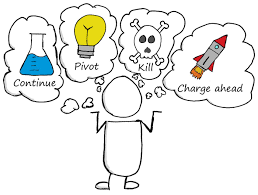
Sometimes, you might be able to pivot. Can you change the product slightly? Can you target a different audience?
But if the product is fundamentally not working, it’s better to stop. This frees you up to create and sell things that have a real chance of success.
Decision Framework: Product Retirement
Step 1: Gather Data. Look at sales, profit, and customer feedback.
Step 2: Analyze Trends. See if things are getting better or worse.
Step 3: Assess Market Fit. Does the product still matter to people?
Step 4: Calculate Costs. What does it cost to keep it going?
Step 5: Weigh Options. Can it be fixed? Or is it time to let go?
Phasing Out a Product Gently
When you decide to kill a product, you don’t have to do it all at once. You can plan a careful exit. This helps you manage your remaining inventory.
It also lets your loyal customers know what’s happening.
You could have a final sale. Offer a discount to sell off what’s left. This can bring in some last-minute revenue.
It also helps you clear out stock.
Tell your customers in advance. Let them know the product will no longer be available. This gives them a chance to buy more if they love it.
It shows you care about them.
Stop taking new orders after a certain date. Or when your stock runs out. Make sure your website reflects this.
You don’t want customers trying to buy something you don’t have anymore.
Finally, remove the product from your website and marketing materials. Make sure it’s no longer visible. This avoids confusion for new visitors.
Product Retirement Timeline
- Announcement: Inform customers about the upcoming discontinuation.
- Final Sale: Offer discounts to clear remaining inventory.
- Last Orders: Set a date or stock level for the final purchases.
- Website Update: Remove the product from active listings and marketing.
- Archiving: Keep relevant data for future reference, but make it inactive.
What Happens Next? Focusing on the Future
Letting go of a product can feel sad. But it’s also a chance to move forward. You have learned from this product.
What worked? What didn’t? Use these lessons.
Now you have more time and resources. You can focus on your successful products. Or you can start working on new ideas.
Ideas that might be even better. Think about what your customers are asking for. What gaps are in the market?
This is a fresh start. It’s a chance to innovate. To grow your business.
Don’t dwell on the product that’s gone. Celebrate the opportunity to build something new and exciting. The future of your business depends on your ability to adapt and evolve.
Moving Forward: Key Actions
Analyze Lessons Learned: What insights did the retired product offer?
Reallocate Resources: Shift staff time, budget, and focus.
Develop New Ideas: Brainstorm and plan future products.
Strengthen Existing Products: Improve what’s already working well.
Engage with Customers: Ask them what they want next.
Frequently Asked Questions
How do I know if my product is truly failing or just having a slow period?
Look at trends over months, not just days or weeks. If sales are consistently down and profit margins are shrinking, it’s more than a slow period. Check customer feedback for recurring issues.
Analyze if market demand has changed.
Is it better to discontinue a product or try to fix it?
This depends on the problem. If it’s a small issue like a bug or outdated feature, fixing it might be good. If the product fundamentally doesn’t meet market needs or is consistently losing money, discontinuing is often wiser.
Consider the cost and time to fix versus the potential return.
What if I have a lot of unsold inventory for a product I want to kill?
Plan a final sale or clearance event. Offer deep discounts to move the stock quickly. You could also consider bundling it with other products or donating it if it’s unsellable.
The goal is to get rid of it to free up space and capital.
How do I tell my customers that a product is being discontinued?
Be honest and clear. Announce it in advance through email, social media, and on your website. Explain that it’s happening.
Offer a final chance to buy. Thank them for their past support of the product.
Will discontinuing a product hurt my brand image?
It doesn’t have to. If you handle it professionally, it can show you’re responsive to market changes and customer needs. A well-managed discontinuation can even build trust.
Avoid leaving customers stranded or disappointed.
Can I bring back a product later if I discontinue it now?
Yes, you can. Sometimes a product might be discontinued due to market timing or a temporary issue. If circumstances change, or if customer demand resurfaces, you could relaunch it.
However, this should be a well-thought-out decision, not a reaction to regret.
Conclusion
Deciding when to stop selling a product is a critical business skill. It involves looking at facts and being honest about performance. By watching sales, profits, customer thoughts, and market changes, you can make the right choice.
Letting go allows you to focus on what truly matters for your business’s future success and growth.