





Finding the right products to sell can feel like a big puzzle. You want items that people truly need or want. You also hope they will sell well for you.
It’s a common worry for many people starting out or growing a business. Let’s look at how to make this process much easier, day by day.
This guide offers a clear approach to daily product research. It helps you find popular and profitable items. You will learn simple steps and smart tools to use. This makes choosing products less guesswork. It helps build a successful business by picking the right things to offer.
What Is Daily Product Research?
Daily product research is simply the ongoing work of finding new or trending items. You look for things that customers want to buy. This happens every day or very often.
It helps you stay ahead of trends. It also shows you what people are searching for.
You are always looking for opportunities. This could be for an online store. It might be for a local shop too.
The goal is to find products that have demand. You also want products that are not too hard to get. Or products that have good profit margins.
This research isn’t a one-time task. It’s a habit that keeps your business fresh.
My Own Product Hunting Story
I remember a time when I felt stuck. I had an online shop selling handmade soaps. They were nice, but sales were slow.
I felt like I was shouting into the void. One evening, scrolling through social media, I saw a lot of talk about reusable makeup remover pads. People were excited about them.
They said they were eco-friendly.
I felt a pang of regret. Why hadn’t I seen this trend sooner? I had missed out on a popular item.
That moment made me realize I needed a system. I needed to look for trends daily. I started setting aside 30 minutes each morning.
I’d browse different websites. I’d check popular lists. I began to see patterns.
Quick Scan: Where to Look Daily
Social Media Feeds: See what’s shared often. Look at trending hashtags.
Online Marketplaces: Check “Best Sellers” or “New Arrivals.”
Trend Websites: Sites that report on popular culture.
Google Trends: See what people are searching for right now.
Why Daily Research Matters for Your Business
Doing product research every day helps a lot. It stops your business from getting old. Old products don’t excite customers.
New products bring new interest. This means more visits to your store. It also means more sales for you.
It helps you understand your customers better. What do they like? What problems do they want solved?
When you know this, you can offer them the right things. This makes them happy. Happy customers buy more.
They also tell their friends about you.
Think about it like this: The market changes fast. New things become popular. Old things fade away.
If you don’t keep up, your business will fall behind. Daily research is your way of staying on top. It helps you spot chances before others do.
This gives you an edge.
Understanding Demand and Trends
Spotting demand means seeing what people want. This is more than just a fad. A fad is something popular for a short time.
Demand is a steady desire for a product. This desire can last a long time.
Trends are a bit like early signs. They show what might become popular. You want to catch trends early.
That way, you can be one of the first to sell something. This means less competition for you. It also means you can often charge a bit more.
How do you find these signs? You look at what people are talking about online. What are influencers showing?
What are big stores featuring? Are there new problems people are trying to solve? The answers to these questions point to demand.
Myth vs. Reality: Product Hunting
Myth: You need a secret trick to find winning products.
Reality: Consistent research using simple tools and methods works best.
Myth: A product is either a hit or a miss. There’s no in-between.
Reality: Many products can do “okay” if marketed well. Daily research helps find the great ones.
Myth: You have to chase the newest, wildest product.
Reality: Sometimes, a better version of an existing popular product is a goldmine.
Tools for Your Daily Research Kit
You don’t need fancy tools to start. Many useful things are free. Google Trends is a great example.
You can type in a product idea. It will show you if people are searching for it more or less. It also shows related searches.
Marketplaces like Amazon and Etsy have “Best Sellers” lists. These lists show what’s selling well right now. This is a direct look at demand.
You can see categories and sub-categories. This helps you narrow down your search.
Social media sites are also powerful. Look at what’s popular on TikTok, Instagram, or Pinterest. Use their search bars.
See what comes up. Look for posts with lots of likes and shares. This shows engagement.
For more in-depth help, some paid tools exist. These can show you sales data. They can also track competitor activity.
But start with the free tools. They are often enough to get you going.
Your Daily Research Checklist
- 15 min: Scroll social media feeds. Note trending items or topics.
- 10 min: Check “Best Sellers” on Amazon or Etsy. Look at 1-2 categories.
- 5 min: Quick search on Google Trends for a product idea.
Analyzing Product Potential
Once you find a product idea, you need to check it. Is it a good idea for your business? You need to look at a few things.
First, is there enough demand? Use Google Trends and marketplace lists. If searches are going up, that’s good.
Next, how much competition is there? If hundreds of sellers have the exact same thing, it might be hard. But don’t let a little competition scare you.
It often means there is demand. You can try to be different. Maybe your product has a unique color.
Maybe your description is better. Maybe your customer service is top-notch.
Think about the profit. Can you buy the product for cheap enough? Can you sell it for a price that makes you money?
This is called your profit margin. You need to know your costs. This includes the product cost.
It also includes shipping and fees.
Finally, does it fit your brand? If you sell eco-friendly items, a plastic toy might not fit. Does it solve a problem for someone?
Does it bring joy? These are good signs.
Product Idea Check: Yes or No?
Demand Score: High (growing search volume, top seller)
Competition Score: Medium (some sellers, but room to stand out)
Profitability Score: High (good margin after costs)
Brand Fit Score: High (matches your business’s style)
Finding Products in Different Niches
Your business might be in a specific area, like pets or home decor. This is called a niche. Daily research works well in any niche.
You just need to look in the right places.
For pet products, check pet blogs. See what new toys or foods people are talking about. Look at pet supply stores online.
What’s new on their shelves? Are there specific dog breeds with unique needs?
For home decor, browse interior design magazines or websites. See what styles are trending. Look at furniture stores.
Are there new colors or materials? What are people using to make their homes cozy?
It’s about adapting the search. For any niche, find the places where people talk about it. Find where they shop for it.
These are your research grounds. You are looking for problems within that niche. Or you are looking for items that make life better or easier for people in that niche.
The Role of Social Media in Trends
Social media is a huge driver of trends. Platforms like TikTok and Instagram can make a product go viral overnight. What was unknown yesterday can be everywhere today.
You can use this to your advantage. Follow popular hashtags related to your niche. See what people are posting pictures or videos of.
Look for “unboxing” videos. These show people getting new products. They often share their first thoughts.
Influencers play a big role. If many influencers start showing a certain product, it’s a strong sign. They have built trust with their followers.
When they recommend something, people listen. You can follow these influencers to see what they are using and liking.
But be careful. Some trends are short-lived. A viral product might fade as quickly as it appeared.
This is where daily research helps. You can see if the trend is sticking. Is it showing up in more places?
Is Google Trends showing steady interest?
Social Media Trend Spotting
Platform Focus: TikTok, Instagram Reels, Pinterest
What to Watch: Trending sounds, popular challenges, influencer reviews, “haul” videos.
Keywords to Search: #viralproduct, #musthave, #newgadget, #ecofriendlyfinds, #finds
Action: Note down recurring items. Check their sales data on marketplaces if possible.
Avoiding Common Product Research Mistakes
One big mistake is only looking at what you like. Your personal taste is important. But what you love might not sell well.
You have to think about what others want. Your research should be about the customer, not just you.
Another mistake is not checking competition enough. If a product is everywhere, it’s hard to stand out. But don’t be afraid of any competition.
Some competition means demand. The key is finding a way to be different or better.
Also, don’t jump on a trend too late. If everyone is already selling something, the best prices might be gone. The market might be saturated.
This is why daily research is key. It helps you spot things early.
Finally, don’t forget to check product quality. A cheap item might seem good at first. But if it breaks easily, customers will be unhappy.
They will leave bad reviews. This hurts your business. Always try to get samples or read reviews about quality.
Pitfalls to Avoid
Ignoring Customer Demand: Selling what you want, not what they want.
Fear of All Competition: Not realizing some competition signals good demand.
Chasing Fads Too Late: Joining a trend when it’s already peaked.
Ignoring Product Quality: Focusing only on price, leading to bad reviews.
Lack of Consistency: Doing research once, then forgetting about it.
When Is a Product Idea “Good Enough”?
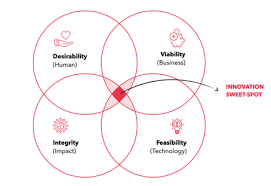
A product idea is “good enough” when it meets a few criteria. There must be clear demand. This means people are actively searching for it.
They are buying it from others. Google Trends and best-seller lists show this.
There should be a reasonable chance to sell it. This means the competition isn’t so high that you can’t compete. Or, if competition is high, you have a clear way to be different.
Maybe you offer a better bundle. Maybe your marketing is more creative.
It needs to be profitable. After you pay for the item, shipping, and any fees, you should make money. If the profit is too small, it’s not worth the effort.
You need enough profit to grow your business.
It should align with your business goals. Does it fit your brand? Does it make sense for your customers?
If it feels right and checks these boxes, it’s often a good enough idea to explore further.
Product Viability Checklist
- Demand: Solid and growing.
- Competition: Manageable or a clear way to differentiate.
- Profit: Healthy margin after all costs.
- Brand Fit: Aligns with your business and audience.
Setting Up Your Daily Routine
Making product research a daily habit is key. It doesn’t need to take hours. Even 15-30 minutes a day can make a big difference.
Pick a time that works for you. Maybe it’s first thing in the morning with coffee. Maybe it’s during your lunch break.
Or maybe it’s before you wind down for the night.
Have a place to keep notes. This could be a notebook, a spreadsheet, or a simple app. When you see an interesting product, write it down.
Note where you saw it and why it caught your eye.
Don’t try to find the “perfect” product every day. Some days you’ll find great ideas. Other days, you’ll just confirm what’s already selling.
That’s okay. The consistency is what builds knowledge and opportunities.
Review your notes weekly. See if any ideas keep popping up. See if trends are growing stronger.
This helps you decide which products to focus on.
Daily Routine Structure
Time Slot:
Duration: 15-30 minutes
Tools: Google Trends, Amazon/Etsy Best Sellers, Social Media
Note-Taking: Spreadsheet or simple digital notes
Weekly Review: Look over notes for patterns.
Looking at Product Categories
Sometimes, thinking about broad categories helps. Instead of looking for one specific item, you look at a whole area. For example, “kitchen gadgets” or “outdoor gear.”
Within a category, you can find sub-categories. For kitchen gadgets, this could be “baking tools,” “food storage,” or “cleaning items.”
You can then dive deeper into sub-categories. Are people looking for better ways to store spices? Are they searching for new types of cookie cutters?
This step-by-step approach helps you uncover niche opportunities.
This also helps if you have a general idea but aren’t sure what product to pick. By exploring categories, you might stumble upon something new. It’s like exploring a new town; you don’t know what you’ll find until you walk around.
Category Exploration Example: Home Goods
Broad Category: Home Goods
Sub-Category 1: Kitchenware
- Micro-Niche: Food Storage
- Potential Products: Innovative containers, reusable wraps, specialized lunch bags.
Sub-Category 2: Bedroom Comfort
- Micro-Niche: Bedding Accessories
- Potential Products: Unique pillows, special mattress toppers, cooling sheets.
When to Pivot or Stop Selling a Product
Not every product you pick will be a winner. It’s okay to stop selling something. This is called pivoting.
If a product isn’t selling, ask why.
Is there no demand? Did the trend fade too quickly? Check your research again.
Maybe you missed something.
Is competition too fierce? Are other sellers much cheaper or more established?
Are there too many returns or bad reviews? This points to quality issues or unmet expectations.
If you’ve tried marketing it well and it’s still not working, it might be time to let it go. Don’t get too attached. Cut your losses.
Then use your daily research to find something new. This is part of staying fresh and successful.
Signs It’s Time to Pivot
- Consistently Low Sales: No matter what you try.
- Negative Reviews: About the product itself, not your service.
- Declining Demand: Google Trends shows interest dropping fast.
- Overwhelming Competition: Cannot compete on price or features.
The Importance of Seasonality
Some products sell better at certain times of the year. This is called seasonality. Think about holiday items.
Christmas decorations sell well in November and December. But they don’t sell much in July.
Outdoor gear might sell well in spring and summer. Winter clothing sells well in fall and winter. Beach items are popular in warmer months.
Your daily research should include watching for these seasonal shifts. You can plan ahead. Start researching holiday items months before.
This gives you time to find good suppliers and prepare your marketing.
Even non-obvious products can be seasonal. For example, maybe people buy more candles when it gets colder. Or maybe certain types of snacks sell more during sports seasons.
Paying attention to the calendar helps you anticipate demand.
Seasonal Product Ideas
Spring: Gardening tools, outdoor furniture, allergy relief products.
Summer: Beachwear, sunscreen, portable fans, BBQ supplies.
Fall: Cozy blankets, warm drinks, seasonal decor, school supplies.
Winter: Holiday gifts, warm apparel, snow gear, indoor games.
What This Means for Your Business Journey
Daily product research is not just about finding items. It’s about building a smart business. It helps you make informed choices.
It reduces risk. It keeps your offerings fresh and appealing to customers.
By making this a regular habit, you become more aware of the market. You can spot opportunities that others miss. You can adapt to changes quickly.
This is how businesses grow and thrive over time.
Start small. Dedicate a little time each day. Use the free tools available.
The knowledge you gain will be invaluable. It will guide your decisions. It will help you build a business that customers love.
Quick Tips for Better Product Research
Look for Problems: What issues do people face daily? Products that solve problems are always in demand.
Observe Customer Behavior: Watch how people shop online and offline. What catches their eye?
Read Reviews: Customer reviews on existing products tell you what people like and dislike.
Test Small Batches: Before buying lots of inventory, test a new product with a small order.
Stay Curious: Always ask “why” things are popular. This leads to deeper understanding.
Frequently Asked Questions
How much time should I spend on daily product research?
Aim for 15-30 minutes each day. Consistency is more important than the exact time spent. Even a short daily effort builds knowledge and uncovers opportunities over time.
What are the best free tools for product research?
Google Trends is excellent for checking search interest. Amazon and Etsy’s “Best Sellers” lists show current demand. Social media platforms like TikTok and Instagram reveal trending items and user engagement.
How do I know if a product has enough demand?
Look for rising search volume on Google Trends. Check if the product consistently ranks high on “Best Seller” lists in marketplaces. Observe if it’s frequently mentioned or shown on social media by multiple users or influencers.
What if I find a product with lots of competition?
Some competition is good; it shows there’s demand. If competition is high, focus on differentiating. This could be through unique branding, better customer service, a slightly improved product feature, or better marketing.
Don’t be afraid to enter a competitive market if you have a clear advantage.
Should I only research products for my specific niche?
While focusing on your niche is smart, it’s also good to explore related niches or broader categories. Sometimes, great ideas come from unexpected places. However, ensure any product you consider still aligns with your overall brand and target audience.
How do I research the profitability of a product?
You need to estimate your costs. This includes the cost of the product itself from a supplier, shipping fees to you and to the customer, marketplace selling fees, and any marketing costs. Compare these total costs to the potential selling price to determine your profit margin.
When is it okay to stop selling a product?
It’s time to stop selling a product if it consistently has low sales despite your best efforts, if it receives negative reviews about its quality, or if market demand for it is clearly declining based on trends and sales data. Cutting losses allows you to focus on more promising items.
Your Daily Path to Smarter Product Choices
Making product research a daily habit is a powerful strategy. It’s about staying connected to what customers want. It helps your business stay fresh.
It leads to better sales and happier customers. Start your routine today. You’ll see the difference it makes over time.