



Finding winning products involves understanding market demand, identifying unmet needs, and spotting trends early. It requires research, observation, and a bit of educated guessing. This guide will show you practical steps to uncover these opportunities for your business.
What Are Winning Products and Why Do They Matter?
A winning product is something that sells well. It meets a strong customer need. People want it.
They are willing to pay for it. These products often have good profit margins. They also tend to gain popularity quickly.
Finding them is key to business success. It means more sales and happier customers. It helps your business grow.
Why do they matter so much? For starters, they bring in money. This money helps your business run.
It lets you invest more. You can spend on marketing or new ideas. Winning products also build your brand.
They show you know what people want. This makes customers trust you. They come back for more.
It’s like finding a golden ticket in the business world. These products can make your whole venture shine.
Think about a product that solved a real problem for you. Maybe it made a chore easier. Or it brought you joy.
That’s a winning product for someone. It had a purpose. It delivered value.
Our job is to find those things for others. We want to connect people with items they will love.
My First Big Product Search Miss
I remember when I first started out. I was so excited to launch my own online store. I thought I knew exactly what would sell.
I saw a trend on social media. Everyone was talking about these fancy, colorful water bottles. They had special filters and fancy caps.
I thought, “This is it! This is my winning product!”
I spent a good chunk of my savings. I ordered a big batch of these bottles. I set up my website.
I took great photos. Then, I waited. And waited.
Nothing much happened. A few friends bought one. Maybe two people I didn’t know.
I was so confused. I had seen all this buzz online. Why wasn’t anyone buying them from me?
I felt a pit in my stomach. It was a mix of disappointment and a little bit of panic. I had put all my eggs in one basket.
It turns out, the trend was already fading. A lot of other people had the same idea. The market was flooded.
My “winning product” was just another bottle. I learned a hard lesson that day. Seeing something popular doesn’t always mean it’s a good product to sell now.
Or that it’s good for your specific business. You need to dig deeper. You need to understand the real demand.
Not just the hype.
Product Idea Research Tools
Product Research Tools: These help you see what’s selling. Examples include Google Trends, Amazon Best Sellers, and specialized tools like AMZScout or Jungle Scout.
Social Media Listening: Watch platforms like TikTok, Instagram, and Pinterest. See what people are talking about. What are they sharing?
What problems do they mention?
Competitor Analysis: Look at what successful stores are selling. Don’t copy, but learn from their product choices.
Where to Look for Winning Product Ideas
So, where do you actually find these products? It’s not a secret formula. It’s about smart observation.
And using the right tools. Think about your own life. What do you wish existed?
What makes your day easier? These personal needs are often shared by many others.
Let’s break down some great places to start looking. You can find inspiration everywhere if you know where to point your eyes. It’s about noticing patterns.
And spotting gaps in what’s available.
Understanding Market Demand and Trends
Demand is what makes a product sell. Trends are what make it sell now. You need both.
A product with demand can sell for a long time. A trendy product can make you money fast. But trends fade.
It’s good to know both.
How do you check demand? Look at how many people search for a product. Use tools like Google Keyword Planner.
See how often people look for “ergonomic mouse” or “sustainable cleaning supplies.” High search numbers mean people want it. Also, check sales data. Sites like Amazon show “bestsellers.” This tells you what’s moving off the shelves.
Trends are a bit different. They are about what’s hot. What’s new.
Social media is a huge driver here. TikTok, Instagram, and Pinterest show you what’s popular. See what influencers are using.
What challenges are people doing? Google Trends can also show you rising topics. Look for search terms that are going up.
But be careful. Some trends are fads. They disappear fast.
Others can be the start of something big.
Trendspotting Checklist
Social Media Buzz: Are specific products or niches constantly appearing on feeds? Note them down.
“As Seen On TV” Items: These often tap into broad needs or solve common problems.
Crowdfunding Sites: Platforms like Kickstarter and Indiegogo reveal innovative ideas that gain public traction.
Seasonal Shifts: Certain products gain demand during specific times of the year (e.g., summer outdoor gear, winter holiday decor).
Identifying Unmet Needs and Pain Points
This is where the real magic happens. Most successful products solve a problem. Or make something much, much better.
Think about a pain point in your daily life. Is there a chore that’s annoying? A task that takes too long?
A product that’s hard to use?
For example, people used to struggle with tangled earbud cords. Then, wireless earbuds came along. They solved that pain point.
Now, maybe people struggle with charging multiple devices. A good multi-port charger would be a winning product. Or maybe organizing small spaces is hard.
A clever organizer could be the answer.
How do you find these needs? Talk to people. Ask friends and family what bothers them.
Read customer reviews. Especially negative ones. What are people complaining about?
What do they wish a product did differently? Online forums and Reddit threads are goldmines for this. People often vent their frustrations there.
Look for products that are “good enough” but not perfect. There’s often room for improvement. Can you make a product safer?
More convenient? More eco-friendly? More affordable?
These improvements create demand. They can turn an ordinary product into a winning one.
Pain Point Identification
Problem: Messy desks with many cables.
Solution Idea: A stylish cable management box or organizer.
Problem: Difficult to carry multiple grocery bags.
Solution Idea: A sturdy, comfortable grocery bag carrier.
Problem: Pets shedding hair everywhere.
Solution Idea: An effective pet grooming tool or a durable lint roller.
Leveraging Online Marketplaces and Data
Online marketplaces are treasure troves of information. Amazon, Etsy, eBay, and even Walmart.com give you real-time sales data. You can see what’s selling well.
What categories are hot. What products have lots of reviews.
On Amazon, check the “Best Sellers” lists. Filter by category. This shows you the top-selling items in that niche.
Look at the number of reviews. Products with thousands of reviews are selling a lot. Read those reviews.
What do people love? What do they hate? This is vital feedback.
Etsy is great for handmade and unique items. It shows you what buyers are looking for in niche markets. If you see a handmade item with tons of sales, there’s demand.
You might be able to source something similar or create your own version.
Don’t forget about search data. Google Keyword Planner can show you search volume for product names. This tells you how many people are actively looking for something.
Tools like Ahrefs or SEMrush offer more in-depth data. They can reveal related keywords and search trends.
The more data you analyze, the smarter your choices become. You move from guessing to informed decisions. You’re not just picking a product.
You’re choosing a product with proven demand. This is a huge advantage.
Marketplace Quick Scan
Amazon: Look for “Movers & Shakers” and “New Releases” in your chosen categories.
Etsy: Explore “Editor’s Picks” and trending searches for unique product ideas.
Google Trends: See how interest in a product or category has changed over time.
AliExpress: Useful for seeing what suppliers are offering and what’s gaining traction globally.
Exploring Niche Markets
Sometimes, going broad is tough. The competition is fierce. Trying to sell a general item to everyone can be hard.
This is where niche markets shine. A niche is a small, specific part of a larger market.
For example, instead of selling “shoes,” you could sell “waterproof hiking boots for women.” Or instead of “pet supplies,” you could sell “eco-friendly toys for large breed dogs.” These are niches.
Why are niches great? Customers in a niche are very specific. They have particular needs.
They are often passionate about their interest. They spend more. They are easier to target with marketing.
You can become an expert in that niche.
How do you find a niche? Think about your hobbies. What communities are you part of?
Are there specific problems within those communities? Look for products that serve a very particular purpose. Or that appeal to a distinct group of people.
You can also find niches by looking at underserved markets. Are there products that only exist for a certain age group? Or for people with specific dietary needs?
Or for enthusiasts of a rare hobby? These are all potential niches.
Niche Market Examples
Hobby Niche: Birdwatching accessories (special feeders, binoculars, guidebooks).
Lifestyle Niche: Zero-waste kitchen products (reusable food wraps, compost bins, bamboo utensils).
Demographic Niche: Age-specific educational toys (e.g., STEM kits for preschoolers).
Problem-Solving Niche: Products for people with sensitive skin (hypoallergenic cosmetics, natural fabrics).
Analyzing Competitors
Looking at competitors isn’t about copying. It’s about learning. What are other successful businesses doing?
What products are they pushing? How do they market them? What makes them stand out?
Find businesses that sell similar products. Or that target the same audience. Visit their websites.
Follow them on social media. Sign up for their email lists. See what they are promoting.
What offers do they have?
Look at their product descriptions. How do they describe their items? What benefits do they highlight?
Read their customer reviews. What are people saying good and bad about their products?
This research helps you in a few ways. It shows you what’s already working. It might give you ideas for new product features.
It can also highlight gaps. Maybe competitors aren’t doing a good job of customer service. Or maybe their product quality is inconsistent.
You can then aim to do better.
It’s also important to see how much competition there is. If a hundred other stores sell the exact same thing, it might be hard to break in. But if you can find a unique angle or a better product, you still have a shot.
Competitor Analysis Steps
Identify 3-5 Key Competitors: Find businesses selling similar items or targeting the same customer.
Analyze Their Best-Selling Products: What items are they promoting the most?
Study Their Marketing: How do they advertise? What platforms do they use?
Read Customer Feedback: Look at reviews for insights into strengths and weaknesses.
Note Their Pricing Strategy: How do their prices compare?
Evaluating Product Viability
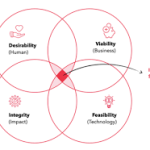
Once you have a few product ideas, you need to check if they are actually viable. This means seeing if they make business sense. Can you make money from them?
Are they easy to ship? Are there any legal issues?
Profit Margin: Calculate your potential profit. This is selling price minus the cost of the product, shipping, and marketing. You need a healthy margin to stay in business.
Aim for at least 20-30% profit. Some products can have much higher margins.
Sourcing: Where will you get the product? Can you find reliable suppliers? Are they affordable?
If you’re making the product yourself, do you have the skills and resources?
Shipping and Logistics: Is the product heavy or bulky? Is it fragile? These things add to shipping costs.
Consider how easy it will be to package and send to customers. Liquids or batteries can sometimes have shipping restrictions.
Legalities and Safety: Are there any safety standards or regulations for this product? For example, children’s toys have strict rules. Cosmetics and food items also have regulations.
Check for patents or trademarks. You don’t want to sell something that infringes on someone else’s rights.
Scalability: Can you get more of this product if it sells well? If you can only get a few units, it might not be a long-term winner.
Viability Quick Check
Cost: How much does it cost to make or buy?
Price: What can you realistically sell it for?
Shipping: Is it easy and affordable to ship?
Safety: Are there any regulations or safety concerns?
Suppliers: Can you get a consistent supply?
My Second Attempt: Learning from Mistakes
After my first product flop, I was more cautious. I didn’t just jump on the first shiny idea. I spent weeks researching.
I used data from Amazon. I looked at Google Trends. I read countless customer reviews.
My goal was to find something that solved a common, but annoying, problem.
I noticed many people complaining about losing small items in their car. Things like coins, pens, or their phone slipping between the seat and the console. It was a small thing.
But it happened all the time. People were frustrated. They kept dropping things.
I searched for “car seat gap filler” on Amazon. I saw that similar products existed. But the reviews were mixed.
Some people said they fell apart. Others said they didn’t fit well. There was clearly a demand.
But the current solutions weren’t perfect.
This felt like my chance. I found a supplier who made a more durable version. It had a better fitting design.
It also had a small pocket for a phone. I ordered a small test batch. I focused on writing clear product descriptions.
I highlighted how it stopped lost items. I talked about the ease of installation. I even made a short video showing it in action.
This time, it worked! Sales started slow, but they grew steadily. People left positive reviews.
They said it saved them from losing their keys. They loved how it kept their car tidier. It wasn’t a viral sensation.
But it was a steady, profitable product. It proved that smart research and understanding customer pain points pays off. This winning product really changed things for me.
Testing Your Product Idea
Before you go all-in, it’s smart to test your idea. This means getting real feedback. And seeing if people will actually buy it.
You don’t want to invest thousands on inventory that won’t sell.
Pre-orders: You can offer pre-orders on your website. This lets people buy the product before you have it in stock. If you get enough pre-orders, it’s a good sign.
If not, you can refund people and rethink the product.
Landing Page Test: Create a simple webpage for your product. Describe it and show mock-ups or samples. Run ads to this page.
See how many people click “buy.” If the interest is low, you know it’s not a winner.
Small Batch Orders: Order a very small amount of inventory first. See how quickly it sells. Get feedback from those first customers.
You can then decide whether to order more.
Surveys and Focus Groups: Ask potential customers directly. Show them your product idea. Get their honest opinions.
Tools like SurveyMonkey can help you create surveys.
Testing is about reducing risk. It’s about making sure your idea has legs before you commit fully. It’s a crucial step that many people skip.
Don’t skip it!
Pre-Launch Testing Ideas
Gauge Interest: Collect email sign-ups from people interested in your product.
Run a Small Ad Campaign: Direct traffic to a page describing your product.
Seek Feedback: Ask friends, family, or online communities for their honest opinions.
Minimum Viable Product (MVP): Can you offer a basic version to test the core concept?
Common Mistakes to Avoid
Even with the best intentions, it’s easy to make mistakes. Here are a few common ones to watch out for:
Chasing Trends Only: Relying only on fads means your business will be unstable. Trends die. You need products with lasting demand.
Ignoring Competition: Not researching competitors means you might enter a crowded market unprepared. Or miss out on learning from their successes and failures.
No Profit Margin Analysis: Falling in love with a product idea but not checking if you can actually make money from it. This is a fast track to failure.
Overstocking Too Soon: Buying huge amounts of inventory before testing the market. This ties up capital and creates risk.
Not Understanding the Customer: Creating a product you think people want, rather than one that truly solves their problem or meets their needs.
Ignoring Reviews: Not paying attention to what customers are saying. Reviews are free market research.
Avoid these pitfalls. Stay focused on providing value. And you’ll be much more likely to find a winning product.
Mistake Avoidance Tips
Validate Demand: Always check if people are actually searching for and buying similar items.
Calculate Profit: Ensure your selling price covers costs and leaves a healthy profit.
Start Small: Test with small inventory orders or pre-orders before scaling up.
Listen to Customers: Read reviews and feedback to understand what people want and what needs fixing.
The Long-Term View: Building a Brand
Finding one winning product is great. But building a successful business is about more than just one item. It’s about creating a brand.
It’s about building trust with your customers.
As you find products, think about how they fit together. Do they serve a similar customer? Do they align with your brand’s message?
For example, if you sell eco-friendly car accessories, maybe your next product could be reusable car cleaning cloths.
A strong brand makes customers loyal. They will come back to you again and again. They trust your quality.
They believe in your values. This is far more valuable than a quick one-off sale.
Keep an eye on emerging trends. But also look for evergreen products. These are items that people always need.
Like basic kitchen tools or durable home goods. A mix of both can create a stable business.
When to Let Go of a Product
Not every product you launch will be a winner. And that’s okay. Sometimes, you have to know when to cut your losses.
If a product isn’t selling, or if it’s causing more problems than it’s worth, it might be time to move on.
This could be due to low demand. Or high return rates. Or supply chain issues you can’t fix.
Or simply because it’s not a good fit for your brand anymore.
Don’t get too attached. Be willing to pivot. Use what you learned from that product.
Apply it to finding your next winning product. Every experience, good or bad, teaches you something.
Frequently Asked Questions About Finding Winning Products
What is the fastest way to find a winning product?
The fastest way is often by observing current trends on social media like TikTok or Instagram, and checking popular sections on marketplaces like Amazon’s “Best Sellers” lists. However, “fastest” doesn’t always mean “most sustainable.” Deep research into unmet needs often yields better long-term results.
How do I know if a product has enough demand?
You can gauge demand by looking at search volume data (e.g., using Google Keyword Planner), checking bestseller lists on major online retailers, and observing social media discussions. A product with many reviews and consistent sales data indicates strong demand. Also, look for recurring problems people complain about online.
Should I focus on trending products or evergreen products?
A mix is often best. Trending products can bring quick sales and excitement. Evergreen products provide stable income and brand loyalty. If you’re new, starting with evergreen products might be safer as their demand is consistent. Trends can be risky as they fade quickly.
What profit margin should I aim for with a new product?
A healthy profit margin is crucial for business growth. Aim for at least 20-30% profit after all costs (product, shipping, marketing, fees). For some product types, especially those with unique value or strong branding, margins can be much higher, potentially 50% or more.
How can I find reliable suppliers for my winning product?
Start with well-known platforms like Alibaba or ThomasNet for sourcing. For handmade or niche items, look for smaller manufacturers or craftspeople. Always order samples first. Check supplier reviews, ask for references, and understand their minimum order quantities (MOQs) and production times. Building a good relationship is key.
What if my product idea is already on the market?
That’s very common! Most winning products have competition. The key is to differentiate. Can you offer a better quality product? A lower price? A unique feature? Better customer service? A stronger brand story? Or target a specific sub-niche within the existing market? Improvement and unique angles are everything.
Conclusion: Your Journey to Finding Winners
Finding a winning product isn’t about luck. It’s about a smart, ongoing process. It involves listening to customers.
Watching trends. Using data. And always looking for ways to solve problems.
Don’t be discouraged by early misses. Each one is a lesson. Keep exploring.
Keep testing. Your next great product is out there.